
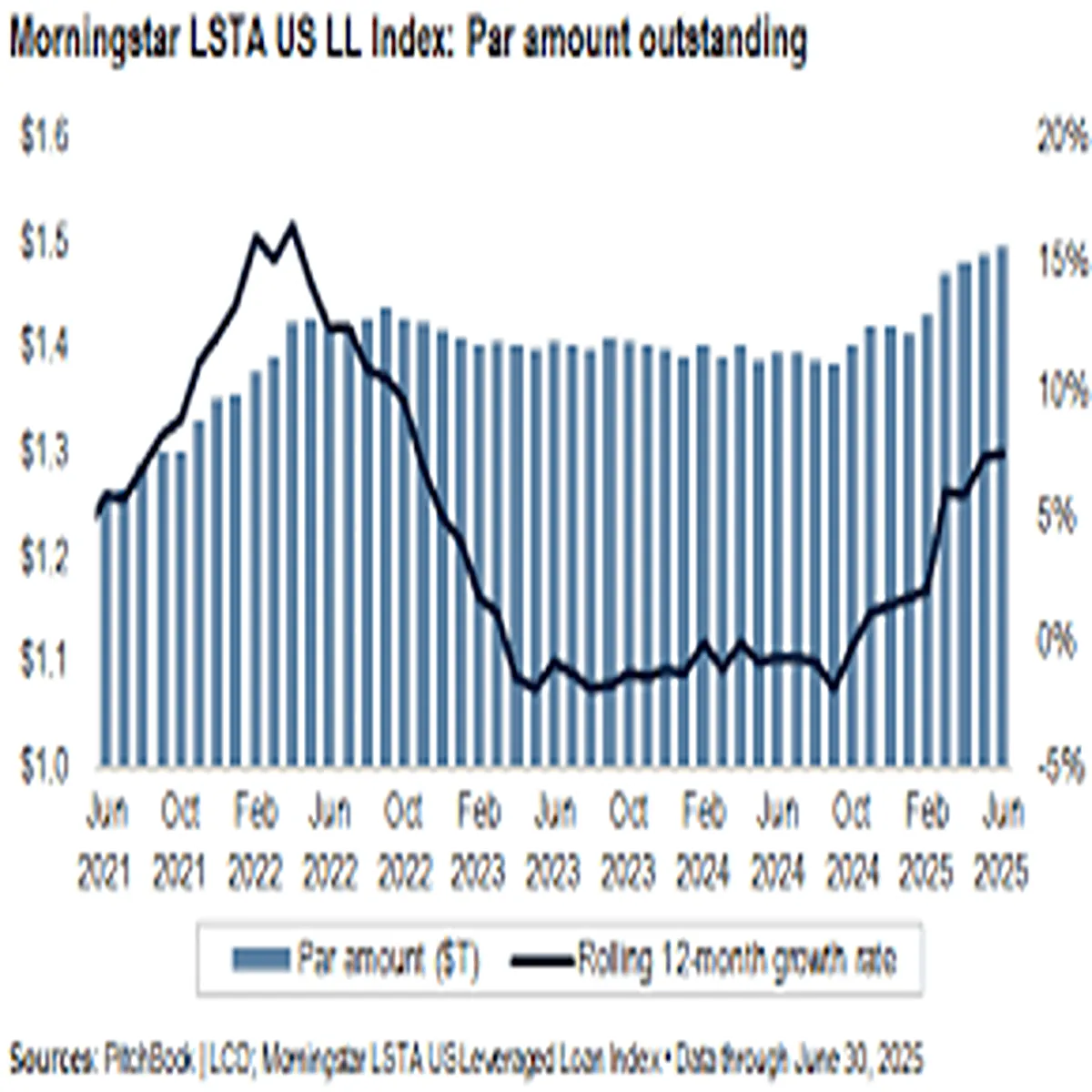
US Loan- The US loan market is entering 2026 with a noticeably different tone than it had a year ago. After a prolonged period of elevated interest rates and cautious lending standards, borrowers and lenders alike are adjusting to what many economists describe as a “higher-for-longer” rate environment. From mortgage applications to auto financing and small business lending, recent data suggests that while borrowing costs remain elevated, demand is stabilizing and in some segments gradually rebounding. For American households and businesses, understanding these shifts is essential before making any new loan decisions.
Interest Rates Remain Elevated but Stable
Over the past two years, benchmark interest rates set by the Federal Reserve have reshaped the lending landscape. While the rapid rate hikes seen earlier have slowed, borrowing costs across personal loans, credit cards, and mortgages are still significantly higher than pre-2022 levels.
Mortgage rates, for example, have hovered well above the historic lows seen during the pandemic era. Although minor week-to-week fluctuations continue, the overall trend reflects stability rather than sharp increases. Financial analysts note that this steadier environment is helping some prospective homebuyers re-enter the market after months of hesitation.
Auto loan rates and unsecured personal loan rates have also plateaued compared to peak volatility periods. However, average annual percentage rates (APRs) remain near multi-year highs, especially for borrowers with lower credit scores. For many Americans, this means higher monthly payments even if loan amounts stay similar.
Mortgage Market: Slow but Gradual Rebound
Housing Demand Adjusts to the New Normal
The housing sector has been one of the most sensitive to interest rate changes. Elevated mortgage rates cooled home sales significantly over the past two years. Yet recent lending data shows a modest pickup in mortgage applications, particularly among buyers who have adjusted expectations around affordability.
Refinancing activity remains limited compared to the refinance boom of 2020–2021. Most homeowners who locked in ultra-low rates have little incentive to refinance at today’s levels. As a result, new mortgage originations are being driven primarily by first-time buyers and relocating families rather than rate-driven refinancers.
Lenders have responded by offering more flexible loan products, including adjustable-rate mortgages (ARMs) and rate buydown programs. While these options can lower initial payments, financial advisors continue to urge borrowers to review long-term repayment implications carefully.
Consumer Loans: Credit Card and Personal Loan Trends
Americans Lean More on Revolving Credit
Consumer debt patterns are shifting as households navigate persistent inflation pressures. Credit card balances nationwide have remained elevated, reflecting higher everyday expenses and continued reliance on revolving credit.
Average credit card interest rates remain historically high, often exceeding 20% APR. This makes carrying balances increasingly expensive. Financial planners emphasize that borrowers who cannot pay off full balances each month may face mounting interest costs that outweigh short-term convenience.
Personal loans, particularly debt consolidation loans, have seen steady demand. Many borrowers are using fixed-rate personal loans to consolidate high-interest credit card balances. While this strategy can lower overall interest if managed responsibly, eligibility and rates depend heavily on creditworthiness.
Student Loans: Repayment Landscape Evolves
Borrowers Navigate Restarted Payment Requirements
Following the end of pandemic-era payment pauses, student loan borrowers have re-entered regular repayment cycles. Federal repayment programs have expanded income-driven options, offering adjusted monthly payment plans for eligible borrowers.
Servicers report increased inquiries as borrowers seek clarity on repayment plans, forgiveness pathways, and deferment options. While policy discussions around student debt relief continue, borrowers are encouraged to rely on official federal resources and verified guidance when reviewing their options.
Private student loan rates remain influenced by broader market benchmarks. Borrowers considering refinancing are advised to compare fixed and variable rate offers carefully and assess long-term savings potential.
Small Business Lending Shows Signs of Recovery
Access to Capital Improves for Some Entrepreneurs
Small businesses faced tightened lending standards during periods of economic uncertainty. Recently, however, certain regional and community banks have gradually eased credit availability for well-qualified applicants.
Government-backed loan programs continue to play a role in supporting entrepreneurship. The U.S. Small Business Administration remains a key channel for guaranteed loans that reduce risk for lenders and expand access to capital for small firms.
Rising operational costs and labor expenses remain concerns for many business owners. Even so, stable interest rate expectations are helping entrepreneurs plan expansion or equipment financing with more confidence than during earlier volatility.
Credit Standards and Borrower Profiles
Lenders Maintain Caution Despite Stabilization
Although demand is recovering in segments like mortgages and personal loans, underwriting standards remain relatively strict. Banks and non-bank lenders continue to scrutinize credit scores, income stability, and debt-to-income ratios.
Borrowers with strong credit profiles are generally securing more favorable terms, while those with lower scores may face higher rates or limited approval options. Financial experts recommend reviewing credit reports regularly and correcting inaccuracies before applying for major loans.
What Borrowers Should Watch in 2026
Key Indicators That Could Shape Loan Costs
Several economic indicators could influence loan rates in the coming months:
- Inflation trends
- Labor market stability
- Federal Reserve policy guidance
- Consumer spending patterns
If inflation continues moderating, analysts suggest the possibility of gradual rate adjustments. However, policymakers have indicated that decisions will remain data-driven rather than pre-committed to a specific timeline.
For borrowers, timing matters—but so does financial readiness. Experts recommend comparing multiple lenders, reviewing total loan costs (not just interest rates), and understanding repayment obligations before signing agreements.
A More Balanced Loan Environment Emerges
The U.S. loan market is no longer defined by rapid rate spikes or emergency stimulus conditions. Instead, it reflects a transitional phase marked by cautious optimism and steady, if modest, demand growth. While borrowing remains more expensive than in recent years, the predictability of current rate levels is offering both lenders and consumers a clearer path forward.
For American households considering mortgages, personal loans, auto financing, or small business funding, informed decision-making is critical. With reliable data, realistic budgeting, and careful comparison shopping, borrowers can navigate today’s loan environment more confidently—even in a higher-rate era.