
U.S. Loan Market 2026- The U.S. loan market is entering 2026 with cautious optimism, as interest rates stabilize after two years of aggressive monetary tightening and lenders adjust to shifting consumer demand. From mortgage applications to personal loans and small business financing, borrowing trends are reflecting both economic resilience and lingering affordability concerns. For millions of Americans, access to credit remains central to homeownership, entrepreneurship, education, and debt management — but the cost of borrowing continues to shape financial decisions nationwide.
Interest Rates Stabilize After Fed Tightening Cycle
After a series of rate hikes that began in 2022, the Federal Reserve has signaled a more measured stance heading into 2026. While benchmark interest rates remain elevated compared to pre-pandemic levels, inflation has eased significantly from its peak, allowing policymakers to pause additional increases.
As a result, average loan rates across categories — including mortgages, auto loans, and credit cards — have shown modest declines compared to 2023 highs. According to data from Freddie Mac, 30-year fixed mortgage rates have fluctuated in the mid-to-high 6% range in recent months, down from peaks above 7.5% seen previously. However, rates remain well above the sub-3% levels many homeowners secured during the pandemic refinancing boom.
Financial analysts say borrowers should not expect a rapid return to ultra-low rates. Instead, gradual easing tied to inflation trends and labor market stability appears more likely.
Mortgage Demand Shows Signs of Recovery
Homebuyers Re-Enter a Competitive Market
Mortgage applications have begun to recover as buyers adapt to the “higher-for-longer” rate environment. Data from the Mortgage Bankers Association shows a steady uptick in purchase applications compared to early 2024 levels.
Housing inventory remains constrained in several metropolitan markets, partly because existing homeowners are reluctant to give up historically low mortgage rates. This “rate lock” effect has limited resale supply, keeping home prices relatively firm despite higher financing costs.
First-time homebuyers continue to face affordability challenges, particularly in high-cost regions such as California and parts of the Northeast. However, modest wage growth and stabilization in mortgage rates have improved confidence compared to last year’s uncertainty.
Personal Loans and Debt Consolidation on the Rise
Consumers Seek Relief From High Credit Card Rates
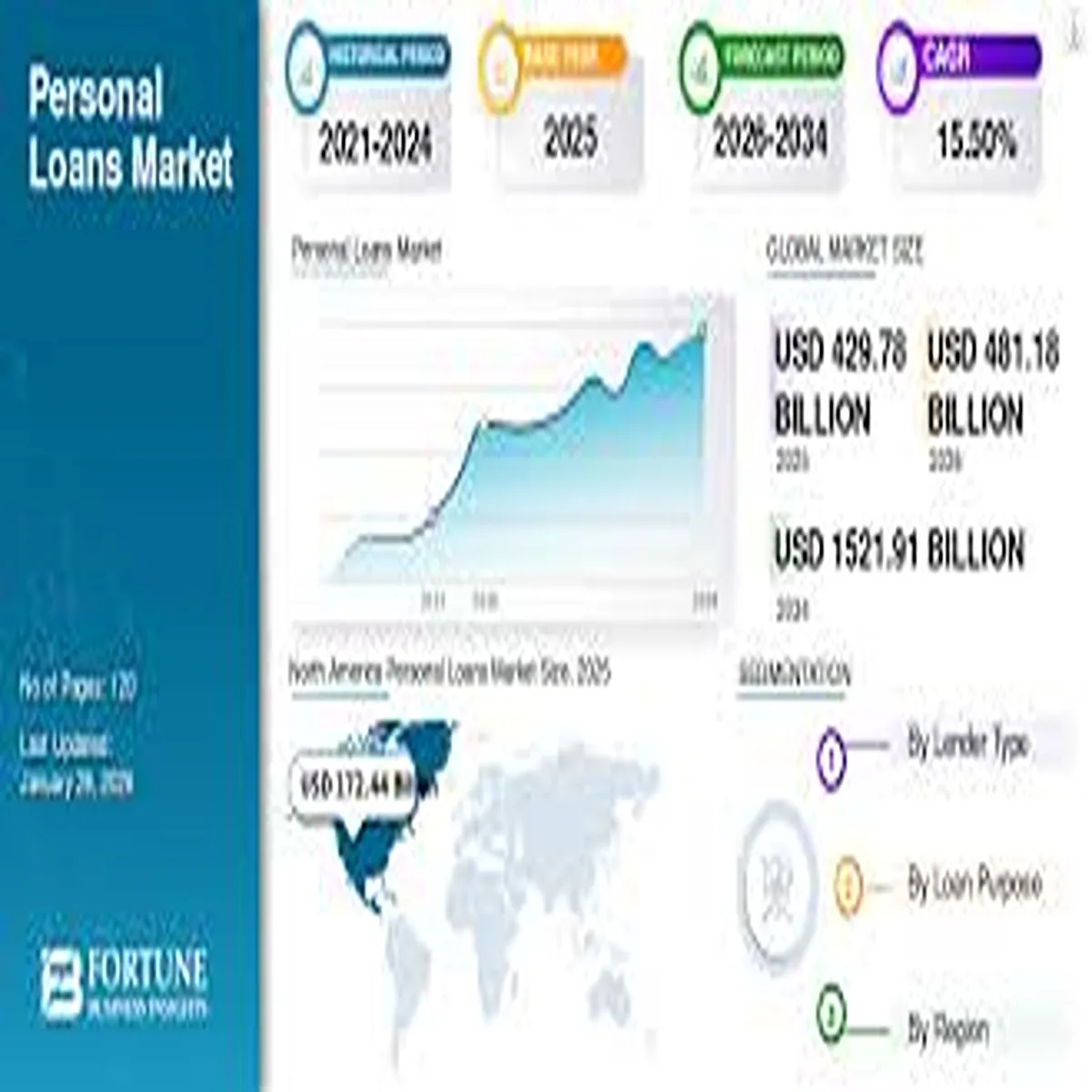
Personal loans have seen renewed interest, particularly for debt consolidation. With average credit card APRs hovering above 20%, many consumers are turning to fixed-rate personal loans to manage monthly payments more predictably.
Fintech lenders and traditional banks alike report steady application volumes. Online platforms have expanded approval models using alternative credit data, increasing access for borrowers with fair-to-good credit scores.
At the same time, delinquency rates are being closely monitored. According to reports from the Federal Reserve Bank of New York, overall household debt continues to rise, though most borrowers remain current on payments. Analysts note that student loan repayments, which resumed nationwide after pandemic-era pauses, are influencing household cash flow decisions.
Student Loans: Repayment Pressures Continue
Borrowers Adjust to Post-Pandemic Policies
Federal student loan borrowers have been navigating updated repayment plans and policy changes overseen by the U.S. Department of Education. Income-driven repayment (IDR) options have gained traction, offering lower monthly payments tied to earnings.
While some borrowers benefited from targeted forgiveness initiatives, broad cancellation efforts have faced legal challenges. As repayments resume, financial advisors recommend borrowers review available repayment plans and explore refinancing cautiously, especially given current interest rate levels.
Private student loan refinancing remains available but typically requires strong credit and stable income. Borrowers considering refinancing federal loans are urged to weigh the loss of federal protections carefully.
Small Business Lending Gains Momentum
SBA Programs Support Expansion
Small business owners are showing renewed demand for capital, particularly in sectors such as hospitality, healthcare, and technology services. The U.S. Small Business Administration reports steady activity in its 7(a) and 504 loan programs, which provide government-backed financing with competitive terms.
Higher borrowing costs have led some entrepreneurs to delay expansion plans, but improving consumer spending has encouraged cautious investment. Regional banks, which play a key role in small business lending, continue to tighten underwriting standards slightly amid broader economic uncertainty.
Experts say access to credit remains critical for startups and growing enterprises, especially as venture capital funding has cooled compared to peak years.
Auto Loans and Delinquencies Under Scrutiny
Used Car Prices Ease, But Payments Stay Elevated
Auto loan balances have increased steadily, reflecting higher vehicle prices over the past several years. While used car prices have moderated compared to pandemic spikes, monthly payments remain elevated due to financing costs.
Delinquency rates in subprime auto lending have drawn attention from regulators and investors. Lenders are responding by tightening credit requirements and adjusting loan terms. Consumers with strong credit profiles continue to secure more favorable rates, while borrowers with lower scores may face higher costs or limited approval options.
What Borrowers Should Watch in 2026
Key Economic Indicators to Monitor
For American borrowers, several factors will shape the loan landscape in the coming months:
- Federal Reserve policy decisions
- Inflation and employment data
- Housing inventory trends
- Consumer credit health indicators
Financial planners emphasize the importance of maintaining strong credit scores, comparing loan offers carefully, and understanding total borrowing costs beyond headline interest rates.
While the U.S. economy has avoided recession thus far, uncertainty remains. The loan market reflects a broader transition phase: moving away from emergency-era stimulus and toward a more normalized credit environment.
The Bottom Line
The U.S. loan market in 2026 is defined by balance — between opportunity and caution, growth and restraint. Interest rates have cooled from recent highs but remain historically elevated compared to the previous decade. Mortgage demand is stabilizing, personal loans are supporting debt management strategies, and small businesses are cautiously expanding.
For consumers and entrepreneurs alike, informed borrowing decisions will be essential in navigating this evolving financial landscape. As economic conditions continue to shift, staying updated on reliable data and official guidance can make a measurable difference in long-term financial health.