
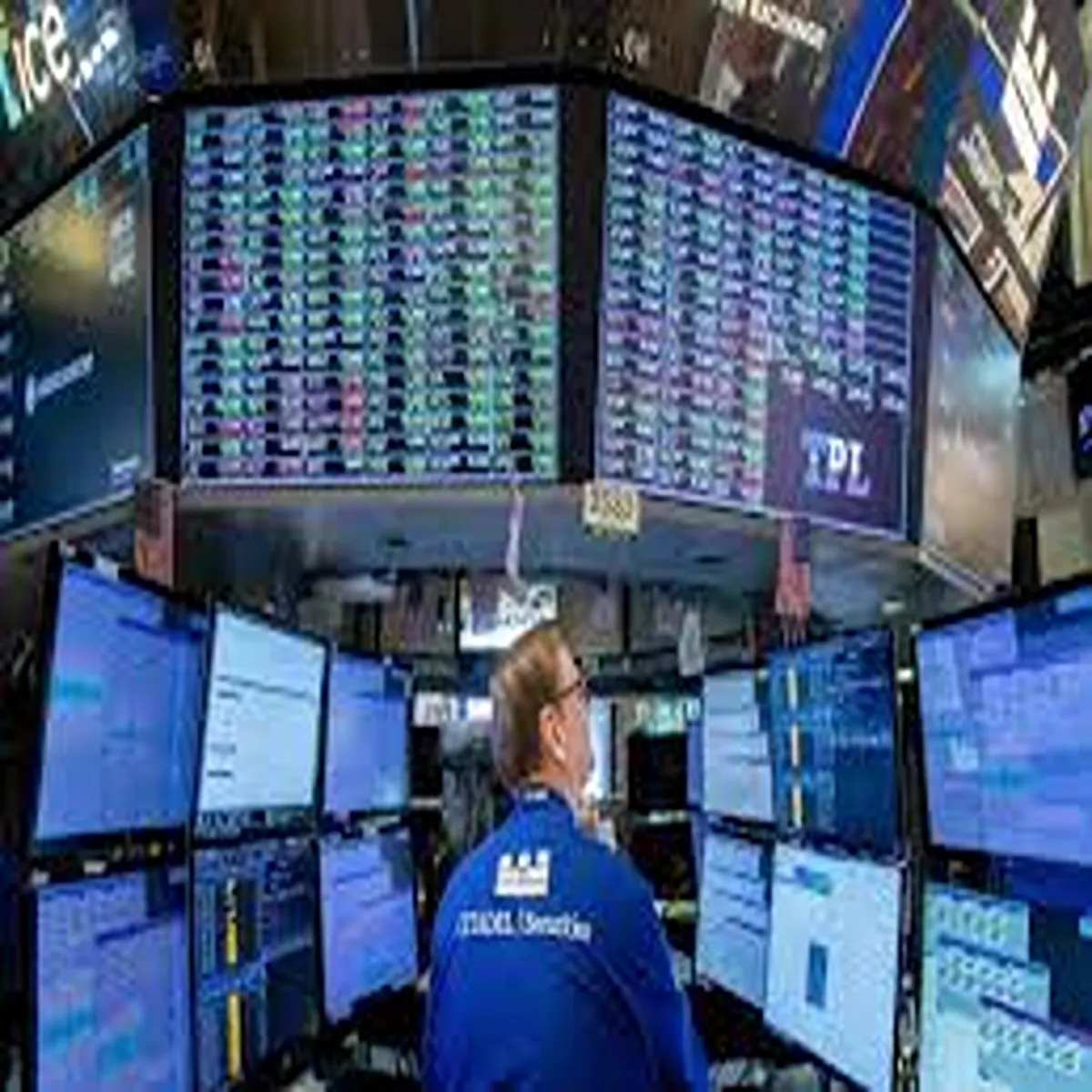
Wall Street- U.S. stocks pushed higher this week as stronger-than-expected labor market data and resilient corporate earnings reinforced investor confidence in the American economy. Major indexes closed near record territory, with technology shares once again leading gains, while bond yields steadied after recent volatility. The move reflects a market recalibrating expectations around Federal Reserve policy, inflation trends, and 2026 growth forecasts.
S&P 500 and Nasdaq Lead Broad Market Gains
The benchmark S&P 500 advanced steadily through midweek trading, supported by gains in communication services, semiconductors, and select consumer discretionary names. Meanwhile, the tech-heavy Nasdaq Composite outperformed broader indexes as investors rotated back into growth stocks following months of uneven performance.
The Dow Jones Industrial Average, which tracks 30 large industrial and multinational corporations, posted more modest gains but remained within reach of its recent highs. Analysts noted that market breadth has improved compared to earlier rallies dominated by a narrow group of mega-cap companies.
Trading volumes were slightly above average, reflecting institutional participation rather than purely retail-driven activity — a sign that confidence may be broadening beyond speculative momentum.
Strong Jobs Data Eases Recession Concerns
A key driver behind the rally was the latest U.S. employment report, which showed continued job creation across healthcare, professional services, and manufacturing sectors. Wage growth remained moderate, suggesting inflation pressures are not accelerating at the pace seen in previous cycles.
Investors interpreted the data as evidence that the economy is slowing gradually rather than tipping into recession. That narrative — often described as a “soft landing” — has supported equities throughout the year.
Economists say the labor market’s resilience gives policymakers room to maintain a cautious stance on interest rates without urgently shifting toward aggressive easing.
Federal Reserve Policy Remains in Focus
Markets continue to parse signals from the Federal Reserve, particularly after recent statements indicated officials are watching inflation and consumer spending closely. While rate cuts are still expected later this year, the timing remains data-dependent.
Treasury yields moved slightly lower following the employment report, with the 10-year yield stabilizing after recent swings. Lower yields typically benefit technology and growth stocks because they increase the present value of future earnings.
Investors are also monitoring upcoming inflation readings, which could shape expectations for monetary policy into the second quarter.
Big Tech Earnings Reinforce Optimism
Earnings from major technology firms have exceeded Wall Street expectations, reinforcing bullish sentiment. Strong cloud computing revenue, expanding artificial intelligence investments, and disciplined cost management have helped protect profit margins.
Several mega-cap companies reported double-digit revenue growth, particularly in AI infrastructure and enterprise software services. Analysts note that capital expenditures tied to artificial intelligence remain elevated, signaling continued corporate investment in digital transformation.
This earnings strength has played a central role in sustaining record-level valuations in certain sectors, though strategists caution that earnings growth will need to remain robust to justify further upside.
Sector Rotation Signals Broader Participation
Beyond technology, cyclical sectors such as financials and industrials also recorded gains. Bank stocks edged higher as concerns about credit conditions eased, while industrial companies benefited from improving manufacturing sentiment.
Energy shares were mixed, reflecting fluctuations in crude oil prices amid shifting global supply dynamics. Consumer staples, often considered defensive plays, lagged slightly as investors favored growth-oriented assets.
Market strategists view this rotation as a healthy sign. Broader participation reduces the risk of over-concentration in a small group of high-valuation stocks.
Retail Investors Stay Active in Equity Markets
Data from brokerage platforms indicates that retail participation remains steady, particularly in exchange-traded funds tracking major indexes. Options activity has also increased modestly, suggesting investors are positioning for continued volatility rather than a one-directional move.
Financial advisors caution that while momentum remains positive, valuations in some segments are above historical averages. Long-term investors are encouraged to maintain diversification and align portfolio strategies with risk tolerance and time horizon.
What Could Move Markets Next?
Several catalysts could shape U.S. stock market performance in the coming weeks:
- Upcoming Consumer Price Index (CPI) and Producer Price Index (PPI) reports
- Federal Reserve meeting minutes
- Corporate earnings from retail and semiconductor companies
- Geopolitical developments impacting global trade
Investors are also watching consumer spending trends closely, particularly as household savings levels normalize compared to post-pandemic highs.
Outlook: Cautious Optimism Prevails
For now, the prevailing mood on Wall Street remains cautiously optimistic. Solid corporate earnings, steady job growth, and moderating inflation pressures have created a supportive backdrop for equities.
However, analysts emphasize that volatility is likely to persist as markets adjust to evolving economic data and policy signals. While the broader uptrend remains intact, selective positioning and disciplined risk management continue to be key themes for both institutional and retail investors.
As the year progresses, attention will remain squarely on whether earnings growth can sustain elevated valuations and whether the Federal Reserve can successfully balance inflation control with economic expansion.