
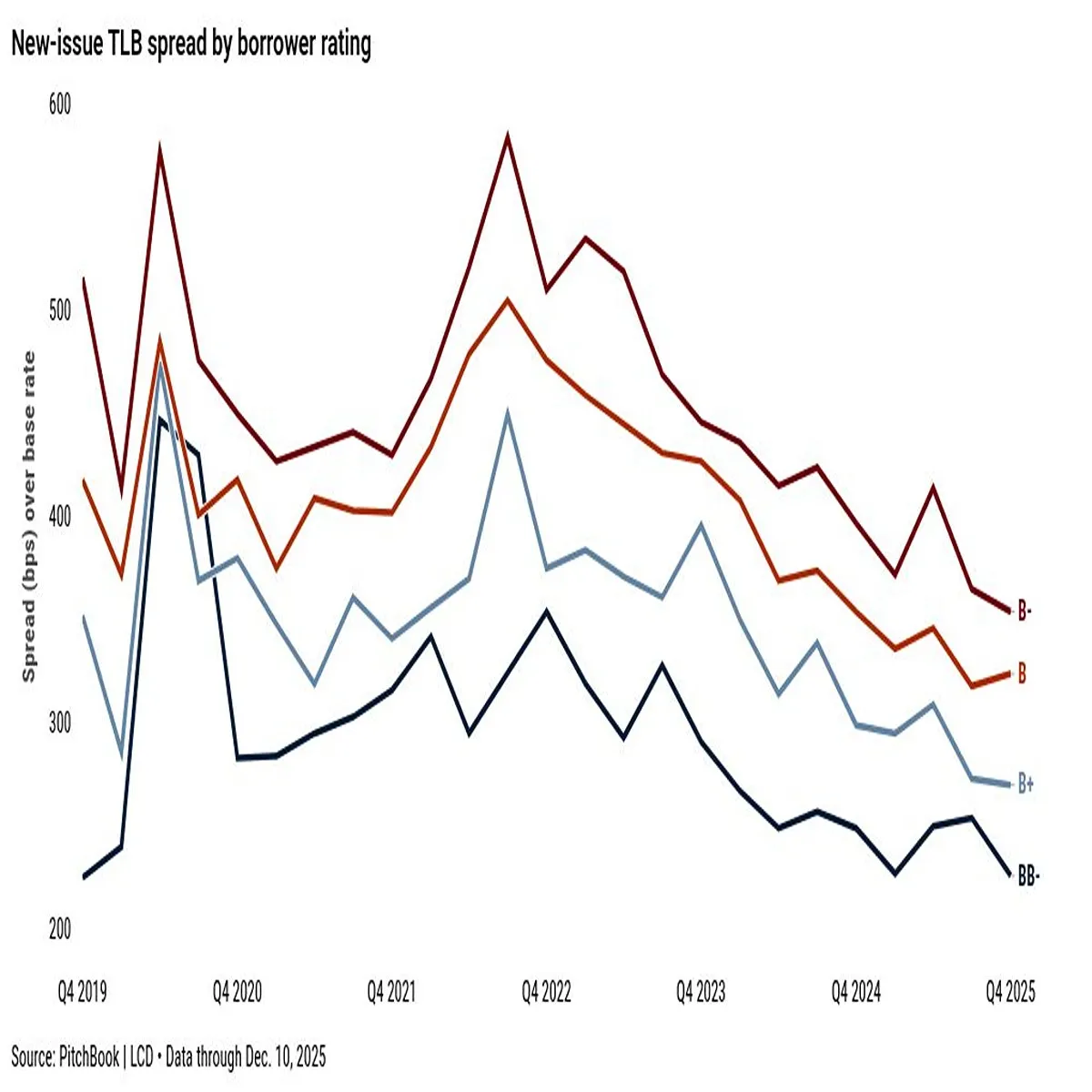
US Loan Market- The US loan market is entering a new phase in 2026, marked by stabilizing interest rates, cautious consumer borrowing, and tighter lending standards. After two years of aggressive rate hikes by the Federal Reserve, recent signals suggest a pause in monetary tightening—bringing both relief and new challenges to borrowers and lenders alike. From mortgages to personal loans, Americans are recalibrating financial decisions in response to changing economic conditions.
Borrowing Trends Reflect Cautious Consumer Behavior
American consumers are showing a more measured approach to borrowing in 2026. Data from major financial institutions indicates that while loan applications remain steady, approval rates have tightened due to stricter credit assessments.
Personal loans, often used for debt consolidation, continue to see demand, but lenders are prioritizing borrowers with stronger credit profiles. This shift reflects concerns over potential delinquencies as household budgets remain under pressure from inflation in key sectors like housing, healthcare, and insurance.
Auto loans, meanwhile, are experiencing slower growth. Higher vehicle prices combined with elevated financing costs have discouraged many buyers, pushing some toward leasing options or delaying purchases altogether.
Mortgage Market Finds Stability Amid Rate Plateau
A Turning Point for Homebuyers
The US housing loan market is showing early signs of stabilization after a volatile period. Mortgage rates, which peaked in previous years, have begun to level off. While still higher than pandemic-era lows, this stability is encouraging some buyers to re-enter the market.
First-time homebuyers, however, continue to face affordability challenges. Elevated home prices and limited inventory remain key barriers. As a result, adjustable-rate mortgages (ARMs) and alternative financing options are gaining renewed attention among cost-conscious buyers.
Refinancing Activity Begins to Recover
Refinancing, which sharply declined during the rate surge, is slowly rebounding. Homeowners who secured mortgages at higher rates in 2023–2024 are now exploring refinancing opportunities as rates ease slightly. Financial experts caution, however, that refinancing benefits depend heavily on individual loan terms and closing costs.
Credit Card and Debt Consolidation Loans Rise
Managing High-Interest Debt
Credit card balances in the US have reached record levels, prompting many consumers to seek debt consolidation loans. These loans typically offer lower interest rates compared to credit cards, making them an attractive option for managing high-interest debt.
Banks and fintech lenders are responding by expanding personal loan offerings, often with streamlined digital applications and faster approvals. However, approval criteria remain stringent, reflecting broader concerns about credit risk.
Fintech’s Growing Role in Lending
Online lenders and fintech platforms continue to reshape the loan landscape. Companies leveraging AI-driven underwriting models are improving access to credit for some borrowers, particularly those with limited traditional credit histories. At the same time, regulators are increasing scrutiny to ensure transparency and fair lending practices.
Student Loan Landscape Faces Policy and Repayment Changes
Repayment Resumes Impact Borrowing Behavior
The resumption of federal student loan repayments has significantly influenced household finances. Millions of borrowers are adjusting budgets to accommodate monthly payments, leading to reduced demand for other types of loans.
Income-driven repayment plans and recent policy updates are helping some borrowers manage obligations, but concerns remain about long-term affordability and default risks.
Private Student Loans See Moderate Growth
Private student loan providers are seeing moderate growth as families seek alternatives to cover rising education costs. Interest rates for these loans vary widely based on creditworthiness, making it essential for borrowers to compare options carefully.
Lending Standards Tighten Across Banks
Risk Management Takes Priority
US banks have tightened lending standards across most loan categories in response to economic uncertainty. According to recent banking surveys, institutions are placing greater emphasis on income verification, credit scores, and debt-to-income ratios.
This cautious approach is particularly evident in commercial and small business lending, where access to credit has become more selective. Small businesses, in particular, are facing higher borrowing costs and stricter approval requirements.
Impact on Small Businesses and Entrepreneurs
For entrepreneurs, the evolving loan environment presents both challenges and opportunities. While traditional bank loans are harder to secure, alternative financing options—such as online lenders and revenue-based financing—are filling some of the gaps.
What Borrowers Should Watch in 2026
Key Factors Influencing Loan Decisions
Several factors are expected to shape the US loan market in the coming months:
- Federal Reserve policy: Any shift in interest rate strategy will directly impact borrowing costs.
- Inflation trends: Persistent inflation could keep rates elevated longer than expected.
- Labor market strength: Employment stability plays a crucial role in credit risk and loan approvals.
- Housing supply: Inventory levels will continue to influence mortgage demand and affordability.
Smart Borrowing Strategies
Financial advisors recommend that borrowers focus on improving credit scores, comparing lenders, and understanding loan terms before committing. Fixed-rate options remain popular for those seeking predictability, while variable-rate loans may appeal to borrowers expecting future rate declines.
Outlook: A Balanced but Selective Lending Environment
The US loan market in 2026 is defined by balance—between opportunity and caution. While stabilizing rates offer some relief, tighter lending standards and economic uncertainties mean borrowers must be more strategic than ever.
For lenders, the focus remains on managing risk while adapting to digital innovation and evolving consumer expectations. As the year progresses, the interplay between economic data and policy decisions will continue to shape how Americans borrow, spend, and invest.