
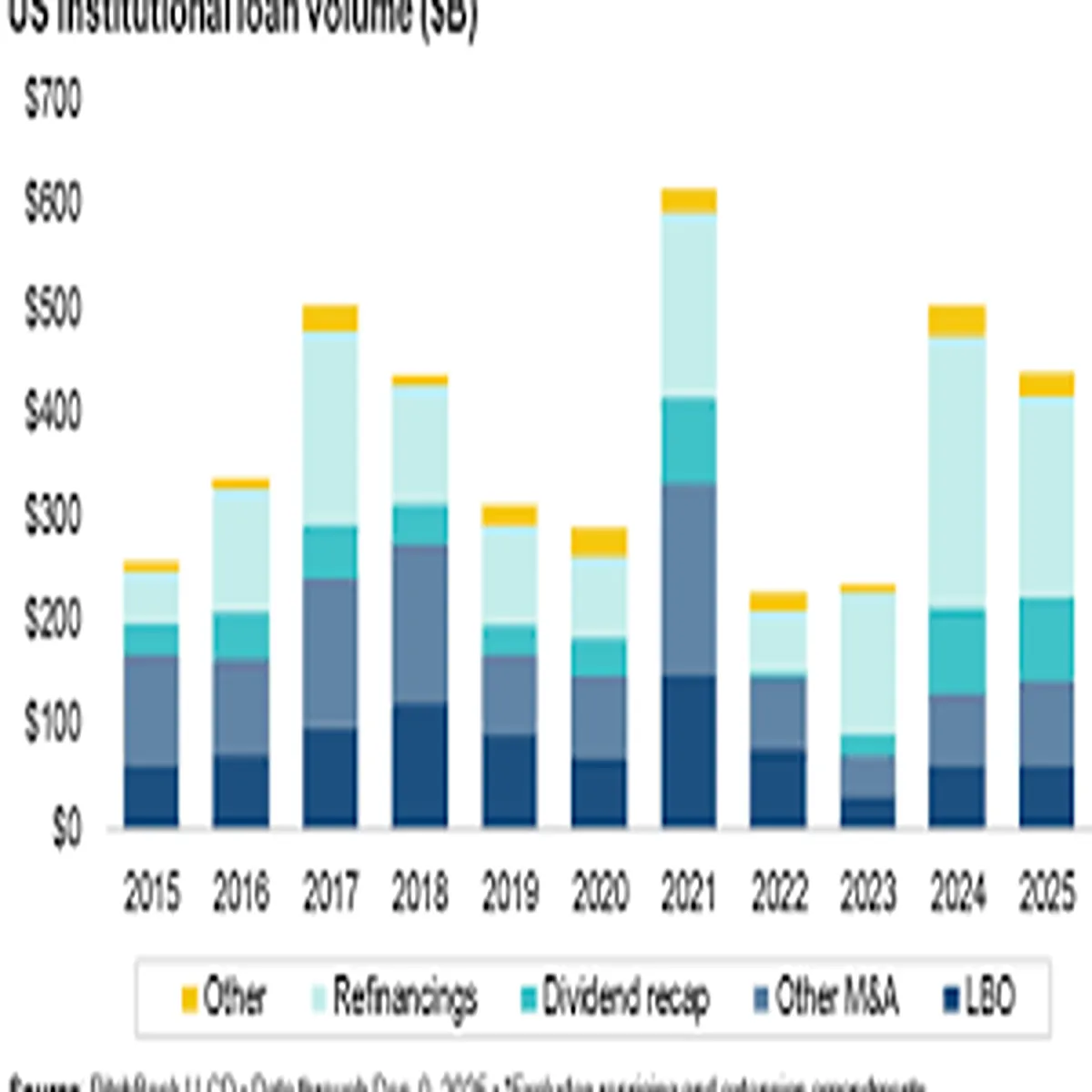
U.S. Loan- The U.S. loan market is entering 2026 with cautious optimism as interest rates remain higher than pre-pandemic levels, reshaping how Americans borrow for homes, cars, education, and business growth. After two years of aggressive monetary tightening by the Federal Reserve, lenders and borrowers alike are adjusting to a “higher-for-longer” rate environment. From mortgage demand to small business credit lines, fresh data shows changing consumer behavior and evolving lending standards across the country.
Mortgage Rates Remain a Key Pressure Point
Mortgage borrowing continues to reflect the impact of elevated benchmark rates. According to recent industry data, the average 30-year fixed mortgage rate has hovered well above the ultra-low levels seen in 2020 and 2021. While rates have moderated from their 2023 peak, they remain high enough to affect affordability.
The Mortgage Bankers Association reports that purchase application activity has been uneven, with buyers responding quickly to even small rate declines. Refinancing, which once dominated loan volume, is now largely limited to homeowners consolidating debt or switching from adjustable-rate mortgages.
Housing supply constraints in several metropolitan areas have added another layer of complexity. In high-cost states such as California, New York, and Florida, borrowers are seeking adjustable-rate mortgages and rate buydown options more frequently than in previous years. Lenders are also offering expanded first-time homebuyer programs to maintain demand in a slower market.
Auto Loans Show Signs of Stress
Auto lending has grown steadily, but delinquency rates are drawing attention. With average vehicle prices still elevated compared to pre-pandemic levels, many borrowers are financing larger loan amounts over longer terms.
Recent credit bureau reports indicate that subprime auto loan delinquencies have ticked upward. Analysts say this reflects broader affordability pressures rather than systemic instability. Lenders are tightening underwriting standards slightly, particularly for borrowers with lower credit scores.
At the same time, competition among banks and credit unions remains strong. Promotional financing from major automakers has helped sustain new car sales, even as borrowing costs rise.
Student Loan Repayment Reshapes Household Budgets
The resumption of federal student loan payments has had a measurable effect on household cash flow. Following the end of pandemic-era forbearance policies, millions of borrowers have returned to regular repayment schedules.
The U.S. Department of Education has expanded income-driven repayment options to ease the transition. Still, consumer spending data suggests some households are reallocating funds from discretionary purchases to loan obligations.
Financial advisors report an uptick in debt consolidation inquiries, as borrowers seek to combine private student loans, credit card balances, and personal loans into single monthly payments. Banks are responding with competitive fixed-rate personal loan products, though approval standards remain cautious.
Credit Card and Personal Loan Trends
Credit card balances across the United States have reached record highs in nominal terms, reflecting both inflation-adjusted spending and higher borrowing costs. With average credit card APRs significantly above historical norms, consumers are becoming more sensitive to interest charges.
Personal loans have gained popularity as a refinancing tool. Borrowers with strong credit profiles are locking in fixed rates to pay off revolving balances. Meanwhile, online lenders continue to expand their digital platforms, offering quicker approvals and streamlined underwriting processes.
Regulatory oversight remains active. Federal agencies are monitoring fee structures and transparency practices to ensure compliance with consumer protection standards.
Small Business Lending Picks Up Momentum
Small business loan demand is showing renewed momentum, particularly in sectors tied to infrastructure, manufacturing, and technology. Programs backed by the U.S. Small Business Administration have supported entrepreneurs seeking working capital and equipment financing.
Community banks are playing a central role in local lending growth. Many report stable credit performance, though they are carefully assessing borrower cash flow projections amid ongoing economic uncertainty.
Access to capital remains a priority issue for minority-owned and rural businesses. Industry groups continue to advocate for expanded credit access and streamlined application processes.
The Federal Reserve’s Next Move
Market participants are closely watching signals from the Federal Reserve regarding potential rate adjustments later this year. While inflation has cooled from its post-pandemic highs, policymakers have emphasized the importance of sustained progress before considering significant cuts.
Bond market volatility has influenced long-term lending rates, including mortgages and business loans. Financial institutions are preparing for multiple scenarios, ranging from gradual rate reductions to an extended pause.
For borrowers, even modest rate shifts can influence decision-making. A quarter-point change may determine whether a homeowner refinances or a business expands.
What Borrowers Should Watch in 2026
As the U.S. loan market evolves, experts recommend focusing on three key factors:
- Credit Score Health: Strong credit profiles unlock better terms in a competitive lending environment.
- Debt-to-Income Ratios: Lenders are paying closer attention to borrowers’ overall financial obligations.
- Loan Structure Transparency: Fixed versus variable rates, fees, and prepayment penalties can significantly affect total borrowing costs.
Financial planners suggest that borrowers compare multiple offers and evaluate total repayment costs rather than monthly payment amounts alone.
A Market Adjusting, Not Contracting
Despite tighter financial conditions, the broader U.S. lending system remains well-capitalized. Major banks report solid balance sheets, and consumer credit performance, while softening in select segments, does not indicate widespread distress.
Instead, 2026 appears to be a year of recalibration. Borrowers are more rate-sensitive, lenders are more selective, and policymakers are carefully balancing inflation control with economic growth.
For American households and businesses, access to credit remains available—but navigating the current environment requires greater financial discipline and informed decision-making.