
US Loan Market in 2026- The U.S. loan market is entering 2026 with a complex mix of moderating interest rates, tighter lending standards, and shifting borrower behavior. From mortgages and auto loans to personal loans and small business credit, American consumers are navigating higher borrowing costs than they saw during the pandemic era, even as inflation cools and the Federal Reserve signals a more balanced policy approach. Recent data from the Federal Reserve and the U.S. Department of the Treasury show that while credit remains available, lenders are more selective and households are increasingly cautious.
Interest Rates Remain Elevated, But Stabilizing
After an aggressive rate-hiking cycle that began in 2022, benchmark rates remain significantly higher than the near-zero levels Americans experienced in 2020 and 2021. The Federal Reserve’s target range has stabilized compared to its peak, yet average borrowing costs across key loan categories are still elevated.
Mortgage rates have fluctuated between 6% and 7% in recent months, according to industry trackers, keeping affordability a major concern for first-time buyers. Auto loan rates for new vehicles often exceed 7%, while used car loans can reach double digits for borrowers with lower credit scores. Personal loan APRs, especially for unsecured credit, commonly range from 8% to over 20% depending on credit history.
While some analysts expect gradual rate cuts later in 2026, the path remains data-dependent, tied closely to inflation trends and labor market performance.
Mortgage Lending: Demand Slows, Equity Remains Strong
The housing sector continues to feel the impact of higher financing costs. Home sales volumes remain below pre-pandemic levels, as many homeowners locked into low rates in 2020–2021 are reluctant to sell. This “rate lock-in effect” has constrained supply and kept home prices relatively firm in many regions.
However, U.S. homeowners collectively hold record levels of home equity. This has led to a renewed interest in home equity lines of credit (HELOCs), as property owners tap equity for renovations, debt consolidation, or emergency expenses. Unlike cash-out refinancing, HELOCs allow borrowers to retain their existing low mortgage rates while accessing liquidity.
Lenders, though, are applying stricter underwriting standards, especially in areas where property values have shown volatility.
Student Loans: Repayment Pressures Reshape Household Budgets
The resumption of federal student loan payments continues to influence consumer spending patterns. Millions of borrowers are adjusting to monthly payments after pandemic-era pauses. According to federal estimates, average monthly student loan bills range between $200 and $400, depending on income-driven repayment plans.
This shift has affected discretionary spending and, in some cases, credit card usage. Financial planners note that some borrowers are turning to personal loans to consolidate high-interest debt accumulated during the payment restart phase. However, experts caution that replacing federal student debt with private loans may eliminate certain borrower protections.
Credit Card and Personal Loan Balances Reach New Highs
Consumer credit data shows that total credit card balances have reached record levels in nominal terms. While delinquency rates remain manageable overall, they are rising modestly among younger borrowers and lower-income households.
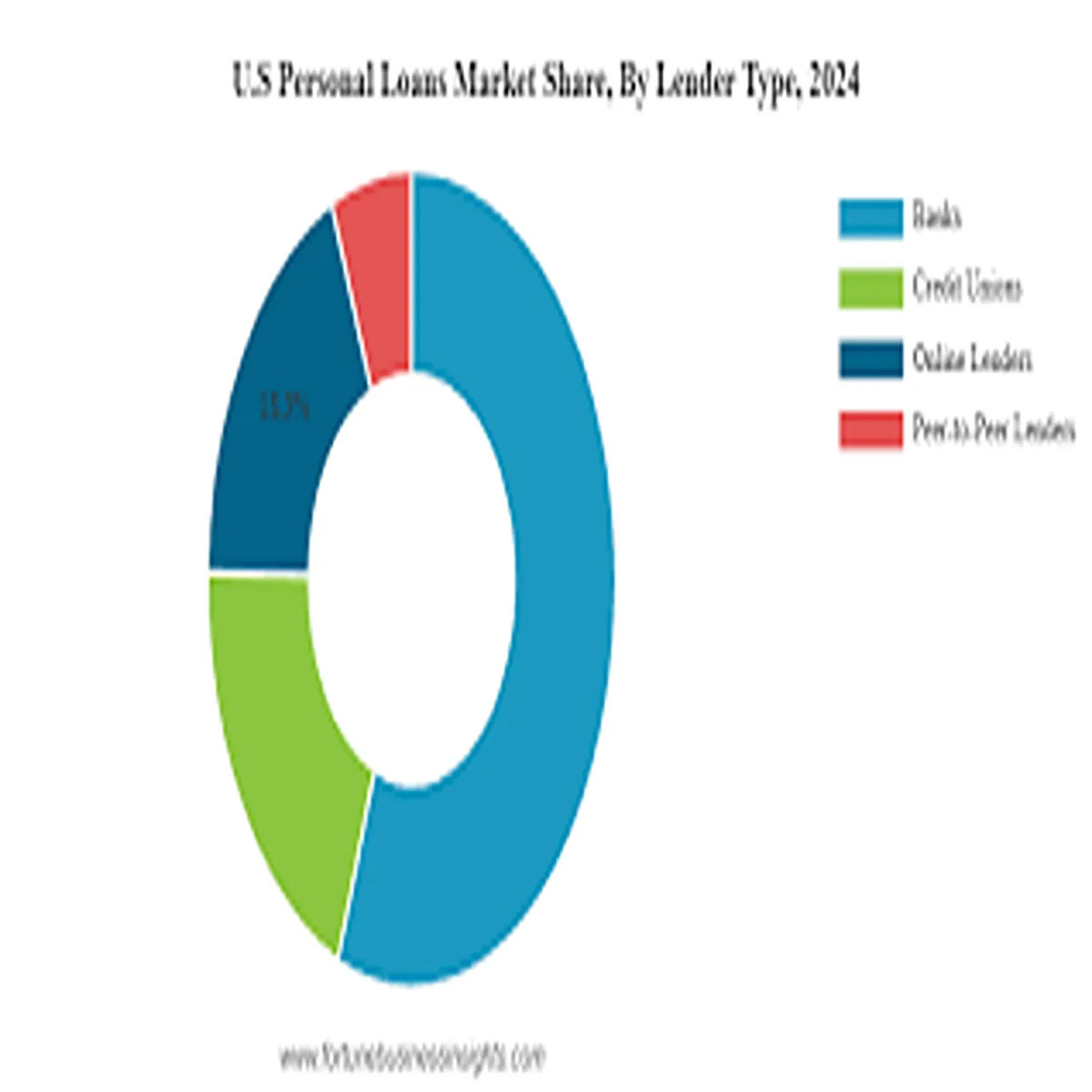
Personal loans have grown in popularity as a debt consolidation tool. Fintech lenders and traditional banks alike report steady demand for fixed-rate installment loans, especially among borrowers seeking predictable monthly payments. Still, underwriting has tightened, with lenders placing greater emphasis on income verification and debt-to-income ratios.
Small Business Lending: Selective Growth Amid Economic Uncertainty
Small business owners face a different borrowing landscape than during the era of pandemic relief programs. While emergency programs have largely expired, demand for working capital loans and lines of credit remains steady.
Banks are focusing on established businesses with consistent revenue streams, while newer ventures often rely on alternative lenders or Small Business Administration-backed programs. Higher rates have increased borrowing costs, but strong consumer spending in several sectors — including travel, dining, and healthcare — has supported loan performance.
Industry analysts point out that credit access remains available, but approval times are longer and documentation requirements more rigorous.
Regional Differences Shape Loan Access
Loan trends vary widely across the United States. High-growth states in the South and parts of the Midwest continue to see steady mortgage originations, while some coastal markets have experienced sharper slowdowns due to affordability constraints.
Auto loan demand remains relatively resilient nationwide, though average loan terms have extended in recent years, sometimes exceeding 72 months. This trend reflects efforts to manage higher monthly payments but raises concerns about long-term debt burdens.
Community banks and credit unions in rural areas report stable lending conditions, though competition from national digital lenders has intensified.
What Borrowers Should Watch in 2026
Financial experts recommend that borrowers closely monitor several key factors:
- Federal Reserve policy updates
- Inflation data releases
- Labor market trends
- Changes in lending standards
Credit score management remains critical. Even small improvements in credit profiles can translate into meaningful interest savings over the life of a loan. Borrowers are also encouraged to compare offers across banks, credit unions, and reputable online lenders to secure competitive terms.
Transparency has become a major focus in the lending industry. Federal regulators continue to emphasize clear disclosure of fees, APR calculations, and repayment terms to prevent predatory practices.
Outlook: Cautious Optimism in a Transitioning Market
While the U.S. loan market is no longer defined by ultra-low rates, it is also not experiencing the stress levels seen during previous financial crises. Household balance sheets remain relatively strong overall, supported by low unemployment and wage growth in key sectors.
The coming months will likely bring incremental adjustments rather than dramatic shifts. If inflation continues to moderate and economic growth remains steady, borrowing costs could gradually ease. Until then, consumers and businesses alike are adapting to what many economists describe as a “new normal” in credit markets — one defined by careful underwriting, disciplined borrowing, and a focus on long-term financial stability.