
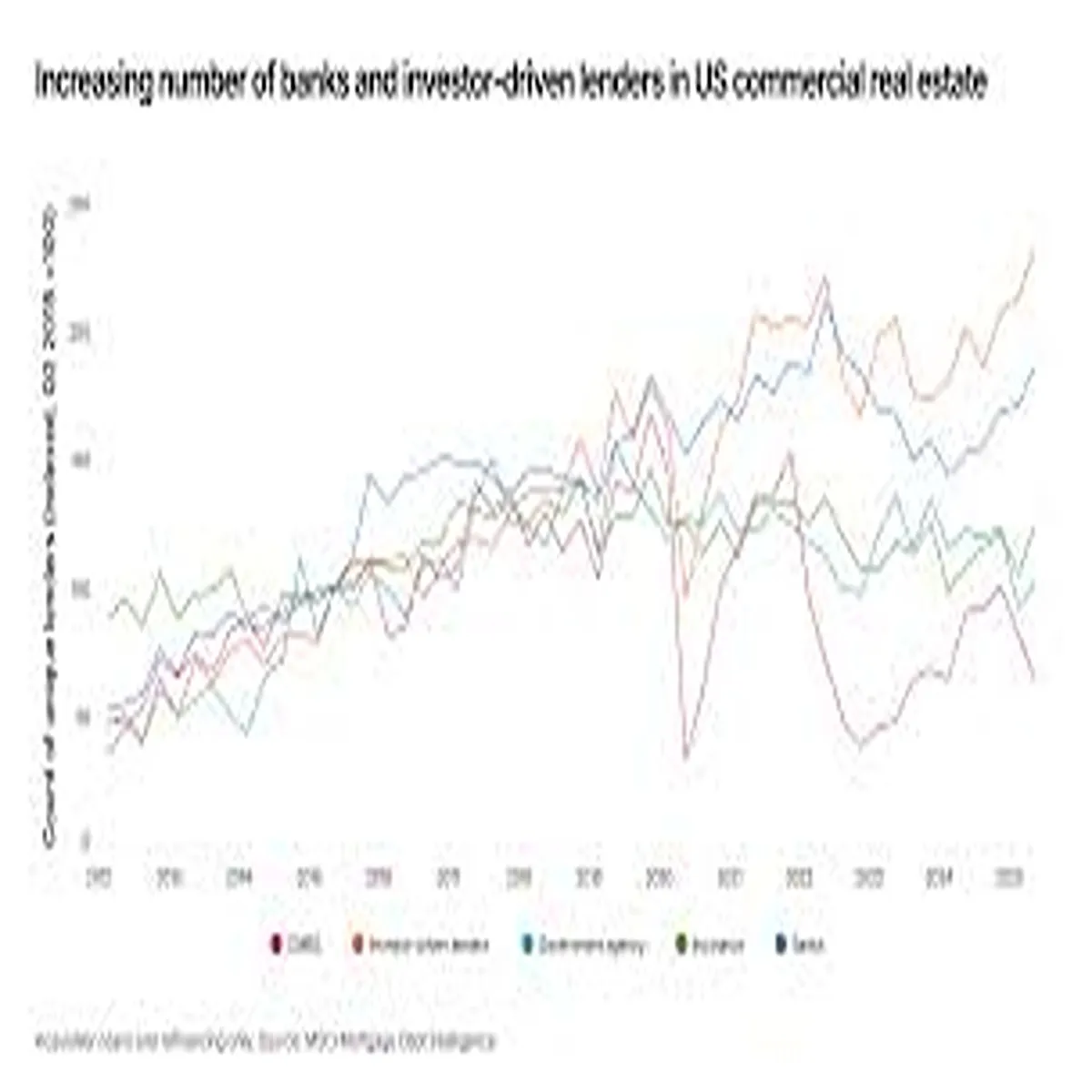
US Loan Market 2026- The U.S. loan market is entering 2026 with a mix of cautious optimism and structural change. After two years of elevated interest rates and tighter underwriting standards, banks and nonbank lenders are adjusting to a slower but more disciplined lending environment. From mortgage demand to personal loans and small business credit, borrowing trends are shifting in response to Federal Reserve policy, inflation data, and evolving consumer behavior across the country.
Interest Rates Still Shape Borrowing Decisions
Interest rates remain the single biggest factor influencing loan demand in the United States. The Federal Reserve’s rate hikes over the past two years pushed borrowing costs to levels not seen in over a decade. Although inflation has moderated compared to its peak, rates are still significantly higher than pandemic-era lows.
According to recent data from the Federal Reserve, benchmark interest rates have remained elevated as policymakers continue to prioritize price stability. That has translated into higher APRs for mortgages, auto loans, credit cards, and personal loans.
For borrowers, this means monthly payments are higher even if loan balances remain similar. As a result, many households are delaying refinancing decisions and reassessing large purchases such as homes and vehicles.
Mortgage Market Shows Signs of Stabilization
Th U.S. housing market has cooled compared to the rapid growth seen during 2020–2022. Mortgage rates hovering above historical lows have reduced refinancing activity significantly. However, purchase applications have shown gradual stabilization in several metropolitan areas.
Data from the Mortgage Bankers Association indicates that while refinance volume remains subdued, purchase loan demand is beginning to recover in markets with strong job growth.
Homebuyers are increasingly turning to adjustable-rate mortgages and rate buydown programs to manage upfront costs. Lenders, in turn, are offering more flexible products, though underwriting standards remain tighter than during the pre-2008 lending cycle.
Personal Loans Gain Popularity for Debt Consolidation
With credit card balances rising nationwide, personal loans have become a strategic tool for debt consolidation. Fixed-rate personal loans often provide lower interest rates than revolving credit cards, particularly for borrowers with strong credit scores.
Major lenders such as SoFi and LendingClub report steady demand for unsecured personal loans, especially among middle-income households seeking predictable monthly payments.
However, financial advisors caution borrowers to review origination fees, repayment terms, and potential penalties before consolidating debt. Responsible borrowing behavior remains critical in a higher-rate environment.
Auto Loans Face Affordability Pressure
Auto loan balances in the U.S. have climbed as vehicle prices remain elevated. According to reports from the Federal Reserve Bank of New York, auto loan delinquencies have ticked up modestly, particularly among subprime borrowers.
Lenders are responding by tightening approval criteria and requiring higher credit scores for competitive rates. Meanwhile, consumers are extending loan terms to 72 months or longer to reduce monthly payments—though that often increases total interest paid over time.
Electric vehicle financing is also emerging as a niche growth area, driven in part by federal tax incentives and manufacturer-backed loan programs.
Small Business Lending Rebounds Cautiously
Small businesses, especially in hospitality and retail, continue to seek working capital loans. Community banks and credit unions are playing an important role in supporting local enterprises, even as large institutions adopt stricter credit risk assessments.
Programs backed by the U.S. Small Business Administration remain essential for startups and expanding firms. SBA-backed loans provide partial guarantees that reduce lender risk and improve access to capital.
However, higher interest expenses are affecting cash flow projections. Business owners are increasingly prioritizing shorter-term financing and lines of credit rather than long-term fixed obligations.
Digital Lending Platforms Expand Market Share
Fintech lenders have accelerated their presence in the U.S. loan ecosystem. Digital-first platforms offer streamlined applications, quick approval timelines, and AI-driven underwriting models—though traditional banks still dominate overall market share.
Consumers are drawn to transparent fee structures and mobile-friendly experiences. At the same time, regulators continue to monitor online lending practices to ensure compliance with consumer protection standards.
Cybersecurity and data privacy remain top priorities as digital loan applications require sensitive personal and financial information.
Credit Scores and Financial Literacy Matter More Than Ever
In today’s lending climate, credit scores carry even greater weight. Borrowers with FICO scores above 700 generally qualify for significantly better rates than those in lower tiers. Financial literacy campaigns by nonprofit organizations and state agencies are emphasizing responsible borrowing, budgeting, and long-term planning.
Experts advise consumers to review credit reports regularly, compare multiple lenders, and calculate total repayment costs before signing agreements. Transparency and informed decision-making are central themes across the financial services sector in 2026.
What Borrowers Should Watch in 2026
Looking ahead, loan market trends will depend heavily on inflation data, employment figures, and Federal Reserve policy decisions. If rates gradually decline, refinancing activity could rebound and housing demand may strengthen.
At the same time, lenders are likely to maintain disciplined underwriting standards to manage credit risk. Borrowers who prepare documentation early, improve credit profiles, and evaluate fixed versus variable rate options will be better positioned in a competitive market.
The U.S. loan landscape is not contracting—it is recalibrating. For consumers and businesses alike, careful planning and informed comparisons are proving more important than ever.
Loan Market, Interest Rates, Mortgage Rates, Personal Loans, Auto Loans, Small Business Loans, Debt Consolidation, Credit Score, Federal Reserve Policy, US Economy, Lending Trends, Financial Planning, Borrowing Costs, Fintech Lending, SBA Loans,