
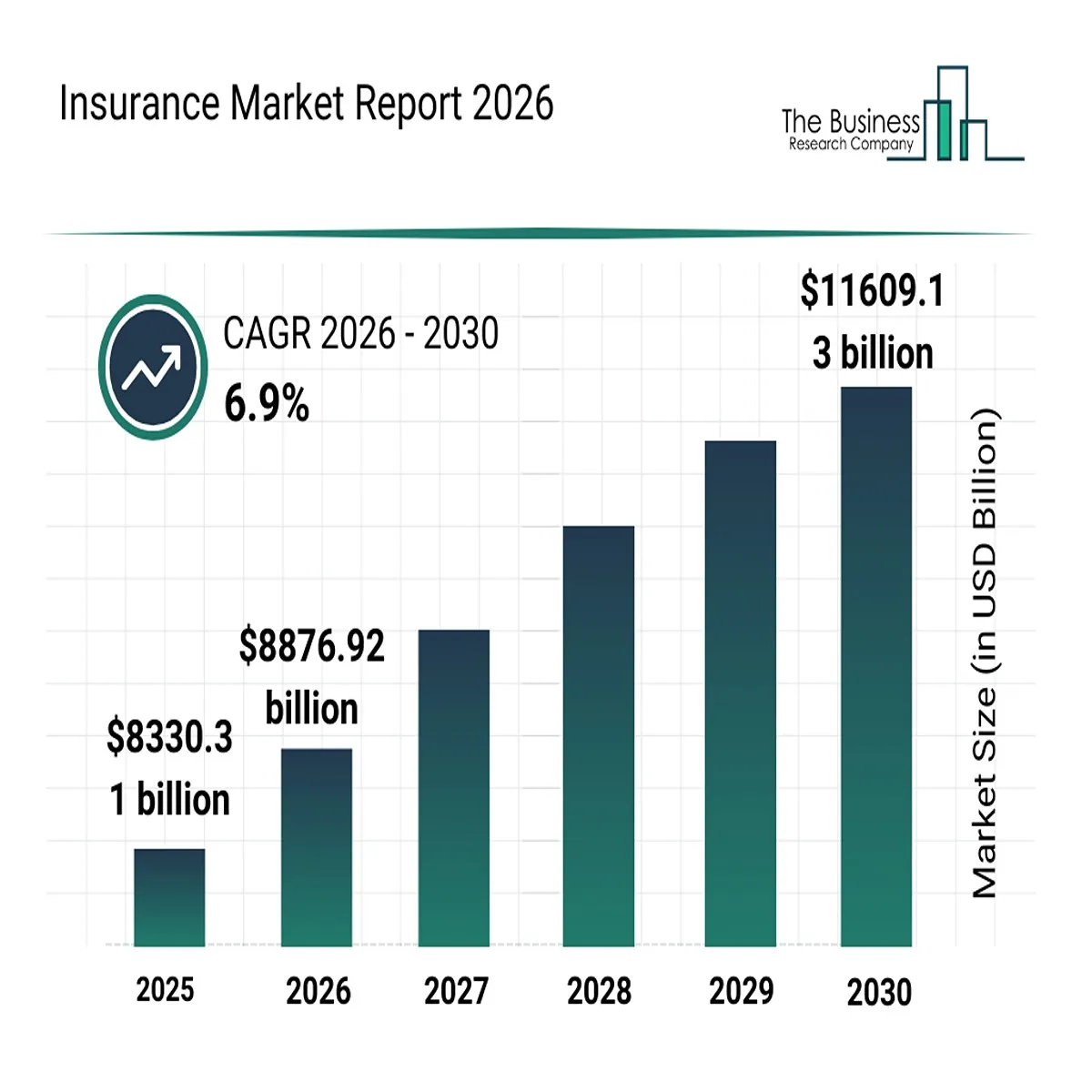
US Insurance Market- The U.S. insurance landscape is undergoing a notable transformation in 2026, shaped by rising premiums, climate-related risks, and rapid digital adoption. From auto and home insurance to health and life coverage, both insurers and policyholders are adjusting to a market that is becoming more data-driven, personalized, and, in some cases, more expensive. Industry analysts say the changes reflect a mix of economic pressures and technological evolution rather than a short-term fluctuation.
Rising Premiums Continue to Pressure Households
Insurance costs across multiple categories have climbed steadily over the past year, with homeowners and auto policies seeing some of the sharpest increases. According to recent industry data, higher repair costs, inflation in materials, and an increase in severe weather events have contributed significantly to this trend.
In states like Florida, California, and Texas, insurers are reassessing risk models due to hurricanes, wildfires, and flooding. This has led to higher premiums, reduced coverage options, or in some cases, insurers exiting high-risk markets altogether. For many American households, insurance is no longer just a routine expense but a growing financial concern.
Climate Risk Reshaping Coverage Models
The influence of climate change on insurance underwriting is becoming increasingly visible. Insurers are now relying on advanced risk analytics and geospatial data to determine pricing and eligibility. Areas previously considered low-risk are now being reevaluated, leading to broader regional premium adjustments.
This shift is also driving demand for parametric insurance products—policies that pay out based on predefined triggers such as wind speed or rainfall levels, rather than traditional claims assessments. These models are gaining traction as they offer faster payouts and clearer terms.
Digital Transformation Accelerates Policy Access
The insurance industry is rapidly embracing digital tools to streamline operations and improve customer experience. Online platforms, mobile apps, and AI-driven underwriting are becoming standard features across major insurers.
Consumers in the U.S. are increasingly opting for digital-first insurers that offer quick quotes, customizable policies, and instant claims processing. Usage-based insurance (UBI), particularly in auto coverage, is also expanding. These policies rely on telematics data to adjust premiums based on driving behavior, offering potential savings for low-risk drivers.
Health Insurance Faces Policy and Cost Challenges
Health insurance remains a critical concern for American consumers, especially as healthcare costs continue to rise. While employer-sponsored plans still dominate, there is growing interest in individual marketplace plans and short-term coverage options.
Recent regulatory discussions in Washington have focused on expanding affordability and transparency. However, insurers are balancing these pressures with rising medical costs, leading to incremental premium hikes in many plans. Telehealth services, which surged during the pandemic, are now a permanent feature in many policies, helping reduce costs and improve accessibility.
Insurtech Startups Disrupt Traditional Models
The rise of insurtech companies is adding competition and innovation to the market. These startups leverage data analytics, machine learning, and automation to offer more flexible and customer-centric products.
From on-demand insurance for gig workers to micro-duration policies for travel and events, insurtech firms are targeting underserved segments. Traditional insurers are responding by investing in their own digital capabilities or forming partnerships with tech-driven platforms.
Regulatory Oversight and Consumer Protection
Regulators across the U.S. are closely monitoring the evolving insurance landscape, particularly as pricing models become more complex. There is increasing scrutiny on how insurers use consumer data, including credit scores and behavioral analytics, to determine premiums.
Consumer advocacy groups are calling for greater transparency and fairness, especially in high-risk regions where coverage is becoming less accessible. State insurance departments are also working to ensure that policyholders are not disproportionately impacted by sudden premium increases or policy cancellations.
What It Means for Policyholders in 2026
For American consumers, navigating the insurance market now requires more awareness and comparison than ever before. Experts recommend regularly reviewing policies, comparing quotes across providers, and understanding coverage details beyond just price.
Bundling policies, improving credit scores, and adopting safety measures—such as home security systems or safe driving habits—can help reduce premiums. Additionally, consumers are encouraged to explore newer policy types that may better align with their lifestyle and risk profile.
Outlook: A More Personalized but Complex Market
Looking ahead, the U.S. insurance industry is expected to become increasingly personalized, with policies tailored to individual behavior, location, and risk exposure. While this could lead to fairer pricing for some, it may also introduce complexity and variability that consumers need to navigate carefully.
The combination of economic factors, climate risks, and technological innovation suggests that insurance will remain a dynamic and evolving sector in the years to come. For both insurers and policyholders, adaptability will be key to managing risk effectively in this new environment.