
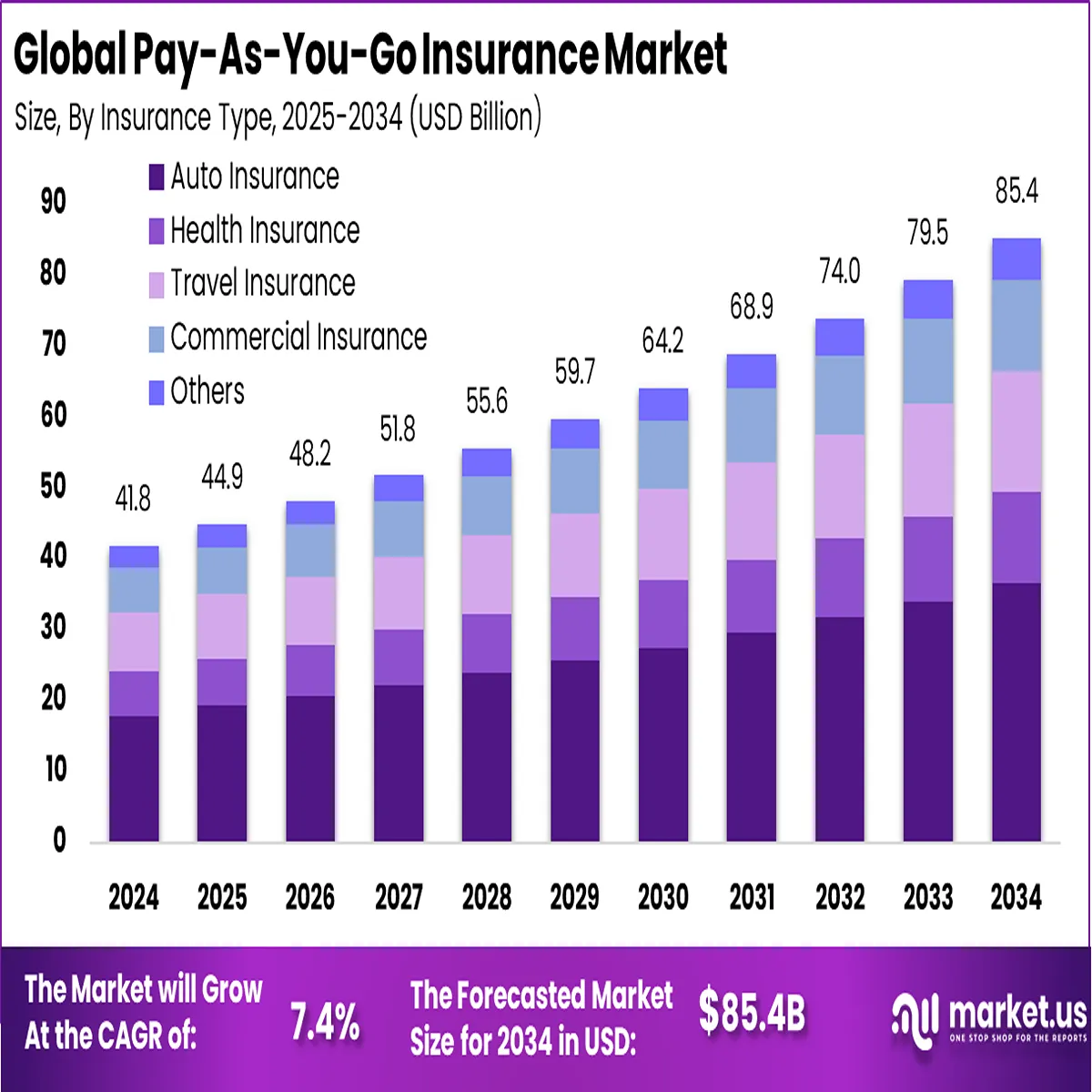
US Insurance Market in 2026- The U.S. insurance industry is entering 2026 amid rising premiums, rapid digital transformation, and renewed regulatory scrutiny. From auto and home insurance hikes to evolving health coverage options and climate-related risks, American consumers are navigating one of the most complex insurance landscapes in recent years. New data from leading carriers and federal agencies show that while insurers are stabilizing after years of heavy losses, policyholders are still feeling the financial pressure.
Auto Insurance Rates Continue Upward Trend
Auto insurance remains one of the biggest cost concerns for U.S. households. According to recent market analyses, average auto premiums increased significantly over the past two years due to higher repair costs, vehicle technology expenses, medical claims inflation, and litigation trends.
Major carriers such as State Farm and Allstate have publicly reported underwriting losses in previous periods, prompting rate adjustments across multiple states. Meanwhile, Progressive Corporation has expanded its usage-based insurance programs, encouraging drivers to adopt telematics devices or mobile apps to potentially lower premiums.
Industry analysts note that while the pace of rate increases may moderate in 2026, premiums are unlikely to return to pre-pandemic levels. Repair costs for newer vehicles—equipped with advanced driver-assistance systems—remain structurally higher, affecting claims severity nationwide.
Home Insurance Faces Climate and Catastrophe Pressures
Homeowners insurance has emerged as another major stress point, particularly in disaster-prone states. Insurers have cited increased catastrophe losses from hurricanes, wildfires, hailstorms, and flooding as key drivers behind premium hikes and tightened underwriting standards.
In states like Florida and California, some insurers have limited new policies or adjusted coverage terms. National providers such as Nationwide Mutual Insurance Company and Farmers Insurance Group have reassessed risk exposure in high-loss regions.
Federal data from agencies including Federal Emergency Management Agency indicate that climate-related events are becoming more frequent and costly. This has led to higher reinsurance costs for insurers—expenses that often flow through to consumers in the form of higher premiums.
For homeowners, experts recommend reviewing policy details closely, especially regarding deductibles for wind, hail, and wildfire coverage. Many insurers are also offering incentives for mitigation efforts, such as fortified roofs or fire-resistant landscaping.
Health Insurance: Stabilization with Policy Changes Ahead
The health insurance market has shown relative stability compared to property and casualty lines. Enrollment in Affordable Care Act marketplaces remains strong, and enhanced premium subsidies have supported affordability for millions of Americans.
Large national insurers like UnitedHealth Group and Elevance Health continue to expand Medicare Advantage and managed care offerings. At the same time, regulators are closely monitoring prior authorization practices, prescription drug pricing, and network adequacy.
Policy discussions in Washington could shape the future of subsidies and consumer protections. Any changes to federal support programs may directly affect premium costs for individuals and families purchasing coverage outside employer-sponsored plans.
The Digital Insurance Shift Gains Speed
Technology is rapidly reshaping how Americans shop for and manage insurance. Digital-first insurers and comparison platforms are gaining traction, offering real-time quotes and simplified claims processes.
Companies like Lemonade Inc. have positioned themselves as app-based alternatives, using artificial intelligence for underwriting and claims automation. Traditional carriers are also investing heavily in mobile platforms, chat support, and data analytics to improve customer retention.
Usage-based auto insurance, smart home monitoring integrations, and AI-driven fraud detection tools are becoming mainstream. While these innovations can improve efficiency, consumer advocates emphasize the importance of data privacy and transparency regarding how personal information is used in pricing models.
Regulatory Oversight and Consumer Protection Efforts
Insurance regulation in the United States primarily occurs at the state level, but federal agencies are increasingly involved in oversight discussions, particularly around climate risk disclosures and health coverage standards.
State insurance commissioners have pushed for clearer rate justification filings as premium increases accelerate. Consumer groups argue that transparency is essential to ensure rate hikes reflect genuine loss trends rather than opportunistic pricing.
The National Association of Insurance Commissioners continues coordinating multi-state policy frameworks, especially on issues like catastrophe modeling, cybersecurity standards, and solvency monitoring.
What Consumers Can Do in a High-Cost Environment
With premiums rising across multiple lines, financial planners recommend proactive strategies:
- Shop policies annually and compare quotes.
- Bundle auto and home coverage where discounts apply.
- Review deductibles and adjust based on risk tolerance.
- Ask about telematics or safe-driver programs.
- Explore state-sponsored or residual market options if coverage becomes limited.
Experts caution against underinsuring property or skipping essential coverage to cut costs. Instead, they advise consumers to balance affordability with adequate protection, especially as extreme weather and medical costs remain unpredictable.
Outlook: Gradual Stabilization, But No Quick Reset
Industry forecasts suggest that while underwriting profitability may improve in 2026, structural cost pressures—climate exposure, litigation trends, medical inflation, and advanced vehicle technology—will continue shaping pricing models.
For American households, insurance remains both a financial safeguard and a growing budget item. As digital innovation expands and regulators increase oversight, the balance between profitability, affordability, and consumer protection will define the next phase of the U.S. insurance market.