
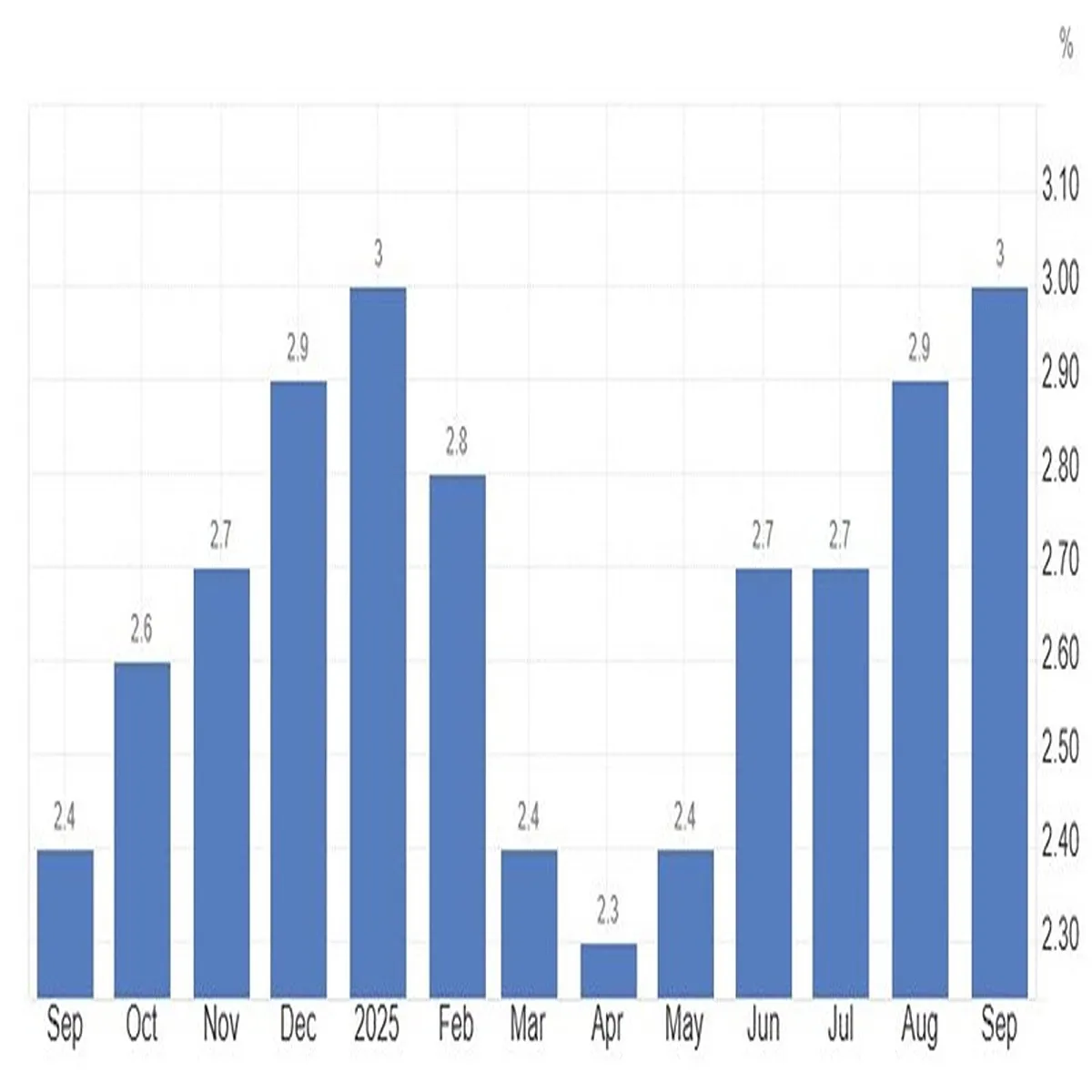
US Insurance Market- The U.S. insurance industry is undergoing a period of rapid change as rising climate risks, evolving regulations, and shifting consumer expectations reshape how coverage is priced and delivered. From homeowners in wildfire-prone states to drivers navigating higher auto premiums, Americans are feeling the impact of a market that is adjusting to new economic and environmental realities in 2026.
Why Insurance Premiums Are Increasing Across the US
Insurance premiums across multiple sectors—including home, auto, and health—have steadily climbed over the past year. Industry data shows that insurers are recalibrating risk models in response to more frequent and severe weather events, inflation-driven repair costs, and higher claims payouts.
In states like California and Florida, insurers have either reduced coverage offerings or raised premiums significantly due to wildfire and hurricane risks. According to recent filings, some homeowners have seen annual premium increases exceeding 20%, reflecting the growing cost of insuring high-risk regions.
Auto insurance has also become more expensive nationwide. Rising vehicle repair costs, supply chain disruptions, and increased accident rates have contributed to higher claims expenses, which insurers are passing on to consumers.
Climate Risks Are Reshaping Coverage Policies
One of the biggest drivers behind recent changes in the insurance landscape is climate risk. Extreme weather events—including hurricanes, floods, and wildfires—have become more frequent and costly, forcing insurers to rethink traditional risk models.
Several major insurers have tightened underwriting standards or exited certain high-risk markets altogether. In wildfire-prone areas of California, for example, some companies have stopped issuing new policies, leaving homeowners to rely on state-backed insurance programs.
Flood insurance is another area of concern. Despite increased awareness, a large portion of U.S. homeowners remain underinsured against flood damage. Experts warn that changing rainfall patterns and rising sea levels are expanding flood risk beyond traditionally designated zones.
Regulatory Changes Aim to Stabilize the Market
State and federal regulators are stepping in to address market instability and protect consumers. In 2025 and early 2026, several states introduced reforms designed to balance insurer solvency with consumer affordability.
In Florida, lawmakers approved measures to limit litigation costs and encourage insurers to remain in the market. California regulators have also begun allowing insurers to factor forward-looking climate models into pricing, a move intended to improve market stability while maintaining coverage availability.
At the federal level, discussions continue around expanding disaster insurance programs and improving data transparency. Policymakers are also exploring ways to incentivize climate-resilient construction and mitigation efforts to reduce long-term risk.
Digital Transformation Is Changing How Americans Buy Insurance
Technology is playing an increasingly important role in how insurance products are marketed and sold. Insurtech companies and traditional insurers alike are investing in digital platforms that streamline policy comparisons, underwriting, and claims processing.
Consumers are now more likely to research and purchase insurance online, using tools that provide real-time quotes and personalized recommendations. Usage-based insurance (UBI), particularly in auto coverage, is gaining traction as drivers seek ways to lower premiums through safe driving habits.
Artificial intelligence and data analytics are also improving fraud detection and claims efficiency, helping insurers reduce operational costs while enhancing customer experience.
Health Insurance Costs and Coverage Trends
Health insurance remains a critical concern for U.S. households, with premiums and out-of-pocket costs continuing to rise. While employer-sponsored plans still cover the majority of Americans, there has been a noticeable increase in enrollment in marketplace plans and short-term coverage options.
Recent policy updates have expanded subsidies under federal programs, making coverage more accessible for lower- and middle-income individuals. However, experts note that affordability challenges persist, particularly for those who do not qualify for subsidies.
Telehealth services, which saw rapid adoption during the pandemic, continue to play a role in reducing healthcare costs and improving access, especially in rural areas.
What Consumers Can Do to Manage Rising Costs
As insurance costs rise, financial experts recommend that consumers take a more proactive approach to managing their policies. Shopping around for competitive rates, bundling policies, and maintaining good credit scores can help reduce premiums.
Homeowners are also encouraged to invest in risk mitigation measures such as installing fire-resistant materials or flood barriers, which may qualify them for discounts. Similarly, safe driving habits and participation in usage-based programs can lower auto insurance costs.
Understanding policy details—including deductibles, coverage limits, and exclusions—is essential for making informed decisions and avoiding unexpected expenses.
Outlook: A Market in Transition
The U.S. insurance market is expected to remain dynamic over the coming years as insurers, regulators, and consumers adapt to evolving risks and economic pressures. While premium increases may continue in the short term, ongoing innovation and policy reforms could help stabilize the market in the long run.
For now, Americans are navigating a more complex insurance landscape—one where staying informed and proactive is more important than ever.