
US Insurance- The US insurance industry is entering a pivotal phase in 2026 as insurers adapt to rising climate-related losses, artificial intelligence-driven operations, shifting customer expectations, and evolving regulatory scrutiny. From property and casualty coverage to life and cyber insurance, carriers across the country are reassessing risk models and investing heavily in digital transformation to maintain profitability and customer trust.
Industry analysts say the insurance sector is no longer focused solely on premium growth. Instead, insurers are balancing technological innovation with growing exposure to natural disasters, inflation-driven claim costs, and emerging AI-related liabilities.
Climate Losses Continue to Influence Insurance Pricing
Extreme weather remains one of the biggest concerns for insurers operating in the United States. Wildfires, hurricanes, floods, and severe storms have significantly increased insured losses over the past several years, forcing companies to rethink underwriting strategies and pricing models.
Market reports released in recent months show that weather-related claims continue to put pressure on both personal and commercial insurance segments. Insurers are increasingly relying on advanced catastrophe modeling tools to assess risk more accurately and determine where coverage remains sustainable.
Several carriers have already adjusted rates in regions considered highly vulnerable to natural disasters. Industry experts believe this trend will continue throughout 2026 as insurers seek to maintain financial stability while managing higher claim frequencies.
Artificial Intelligence Moves Into Core Insurance Operations
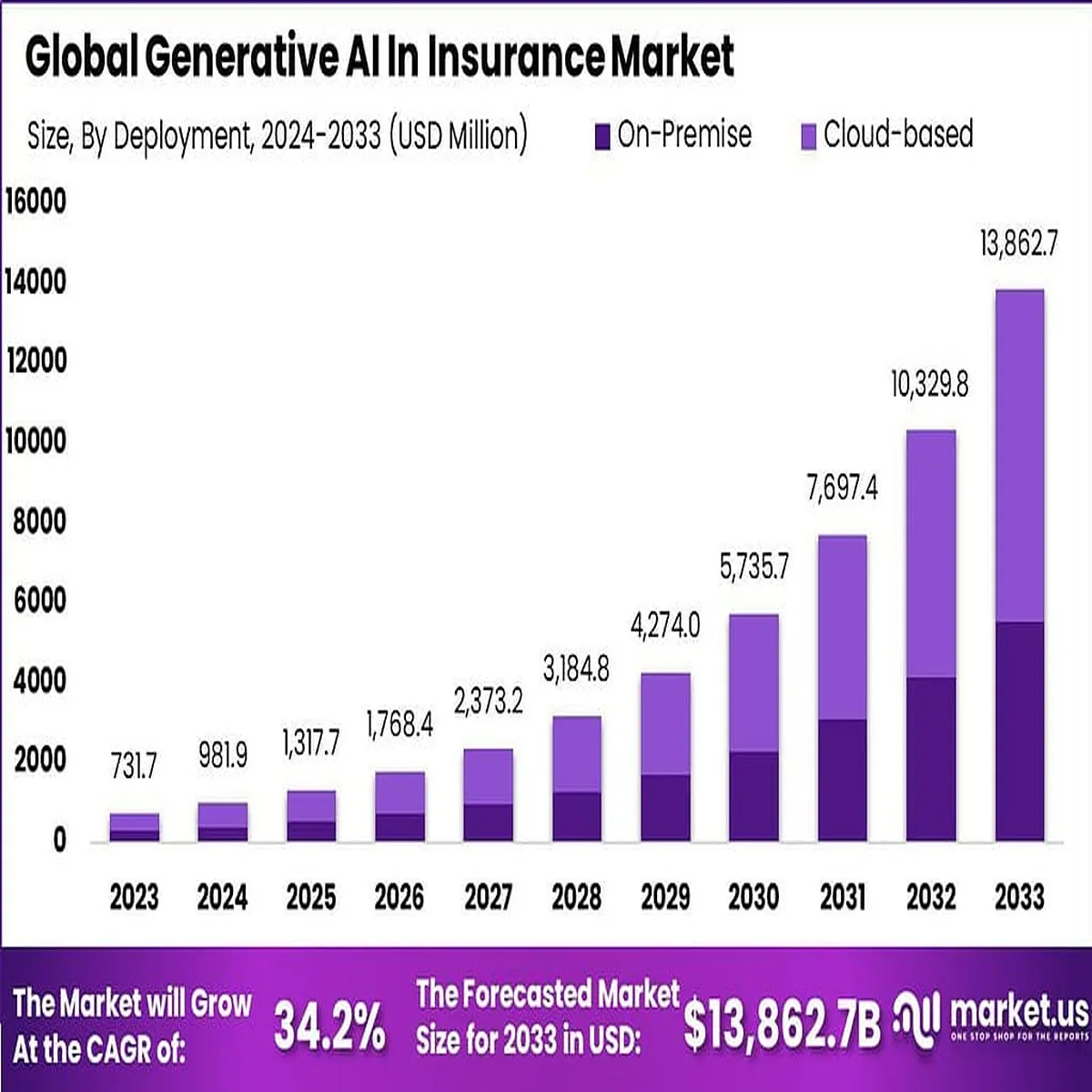
Artificial intelligence has become one of the most influential forces shaping the insurance sector this year. What began as limited automation projects is now expanding into underwriting, claims processing, fraud detection, customer service, and risk assessment.
Industry research indicates that insurers are accelerating AI adoption to improve efficiency and reduce operational costs. Many companies are using AI-powered systems to analyze large volumes of data, helping underwriters make faster decisions and enabling claims teams to process cases more efficiently.
Insurance technology specialists note that AI is increasingly being integrated into core systems rather than operating as a standalone tool. This shift is expected to improve productivity while helping insurers respond to customer requests more quickly.
At the same time, executives are emphasizing the importance of governance and human oversight. As AI becomes more deeply embedded in insurance workflows, regulators and industry leaders are paying closer attention to transparency, accountability, and data quality.
Growing Focus on Cyber and AI-Related Risks
The expansion of artificial intelligence is creating new opportunities for insurers, but it is also introducing fresh categories of risk.
Cyber insurers are now evaluating potential exposure related to AI-generated fraud, deepfake attacks, automated scams, and large language model vulnerabilities. Some insurers have begun reviewing policy language to clarify how AI-related incidents will be covered under existing cyber insurance products.
Businesses are increasingly seeking protection against technology-driven threats, especially as AI tools become common across industries. Insurance experts expect demand for specialized cyber coverage to rise as organizations face more sophisticated digital risks.
The emergence of AI liability concerns has also prompted discussions around new insurance products tailored specifically to artificial intelligence systems and related business operations.
Profitability Remains Strong Despite Market Pressures
While insurers face multiple challenges, many major carriers continue to report solid financial performance.
Recent earnings reports from leading US insurers have highlighted improvements in underwriting results and investment income. Lower catastrophe losses during certain periods have also supported profitability for several companies.
Higher interest rates over the past few years have strengthened investment returns for many insurers, providing an additional source of earnings beyond premium revenue. Although some analysts expect margins to face pressure from inflation and rising claim costs, the overall financial position of the industry remains relatively stable.
Market observers say insurers that combine disciplined underwriting with technology investments are likely to be better positioned for long-term growth.
Customer Expectations Are Driving Digital Transformation
Consumer behavior is changing rapidly, and insurers are responding by modernizing how policies are sold, managed, and serviced.
Today’s customers increasingly expect seamless digital experiences, including mobile applications, instant quotes, online claims tracking, and personalized recommendations. As a result, insurers are investing in digital platforms that simplify interactions and reduce processing times.
Industry surveys suggest that personalization is becoming a major competitive advantage. Companies are using data analytics and behavioral insights to create products that better align with customer needs and preferences.
Younger consumers, in particular, are showing stronger interest in digital-first insurance experiences, encouraging carriers to accelerate modernization efforts across both life and property insurance segments.
Insurance Mergers and Strategic Investments Continue
Mergers, acquisitions, and strategic partnerships remain active across the US insurance market. Industry leaders are pursuing deals to expand distribution networks, strengthen technology capabilities, and enter new specialty segments.
Investment activity is also increasing within the insurance technology sector, where startups focused on automation, AI-driven underwriting, and claims innovation continue to attract attention from investors and established carriers.
Analysts expect deal activity to remain steady throughout 2026 as companies look for growth opportunities in an increasingly competitive environment.
Regulatory Attention Intensifies
Regulators are closely monitoring how insurers deploy artificial intelligence and manage emerging risks. Industry groups and state regulators are developing frameworks designed to ensure that automated decision-making systems remain fair, transparent, and compliant with existing consumer protection standards.
Insurance companies are also preparing for evolving requirements related to cybersecurity, data privacy, and risk governance. Experts say regulatory readiness will become a critical factor in determining how quickly insurers can scale new technologies.
The combination of innovation and oversight is expected to define the next phase of the industry’s transformation.
Outlook for the US Insurance Market
The US insurance industry appears poised for continued change throughout 2026. Climate-related losses, digital transformation, AI adoption, cyber threats, and evolving customer expectations are reshaping how insurers operate and compete.
While challenges remain, industry leaders are investing heavily in technology, analytics, and operational modernization to strengthen resilience and improve service quality. For consumers and businesses alike, the coming years are expected to bring more personalized insurance products, faster claims experiences, and a greater emphasis on risk prevention.
As insurers navigate this rapidly changing landscape, the companies that successfully balance innovation, regulatory compliance, and customer trust are likely to emerge as the strongest players in the next chapter of the US insurance market.