
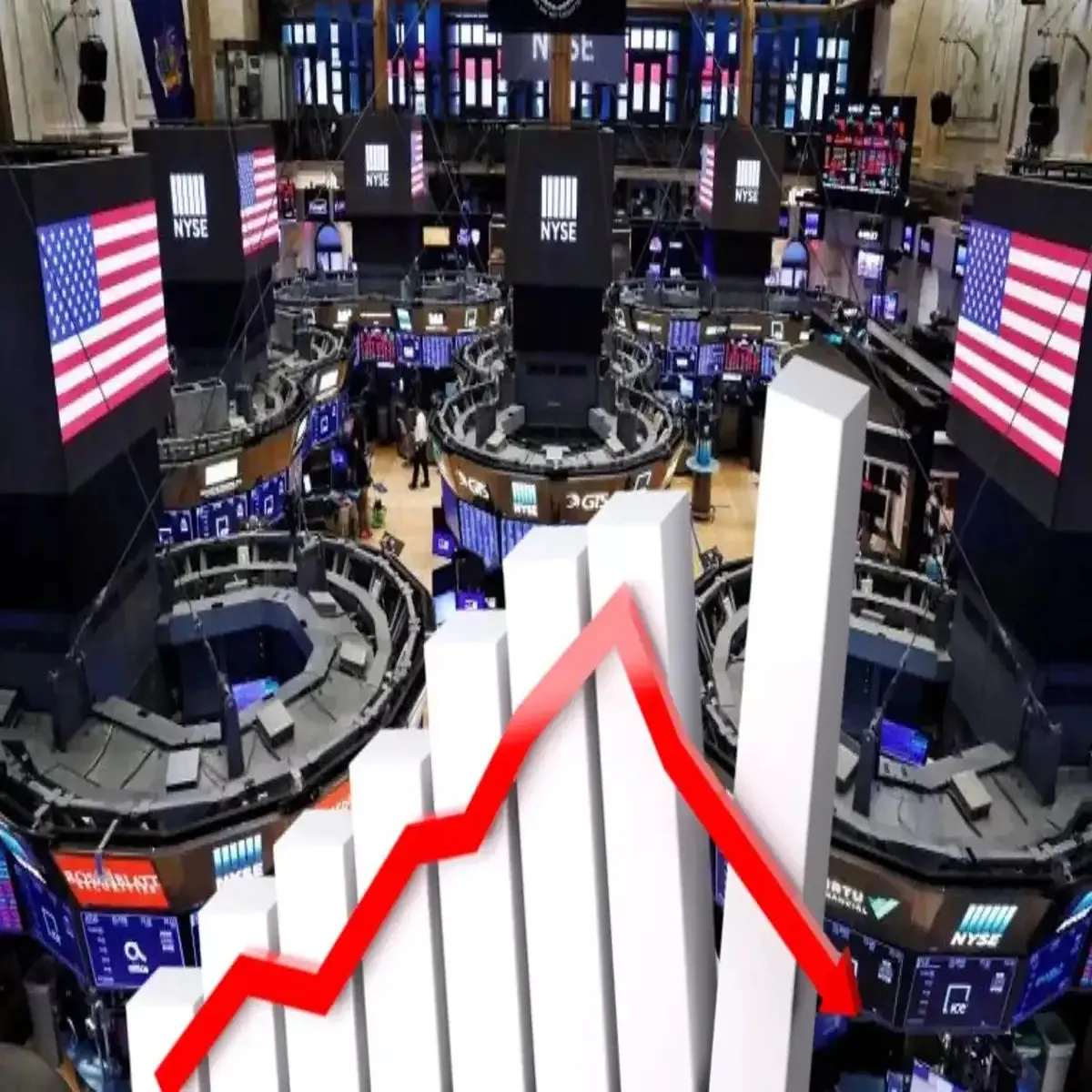
U.S. Markets- The U.S. stock market extended its gains this week after the Federal Reserve signaled a cautious and data-dependent approach to future interest rate decisions, reinforcing investor confidence in a soft-landing scenario for the economy. Major indexes climbed to fresh highs as cooling inflation data, resilient corporate earnings, and steady consumer spending continued to shape a more constructive outlook for 2026. Analysts say the current rally reflects a delicate balance between moderating inflation and stable economic growth—an environment Wall Street has been waiting for.
Inflation Data Reinforces Market Optimism
Recent Consumer Price Index (CPI) and Personal Consumption Expenditures (PCE) readings indicate that inflation is gradually trending closer to the Federal Reserve’s 2% target. Core inflation, which excludes volatile food and energy prices, has shown steady moderation compared to the peaks seen in 2022 and 2023.
Economists note that easing supply chain pressures, stabilizing housing costs, and softer wage growth have helped reduce upward price momentum. For investors, the significance lies in what it means for monetary policy. Lower inflation reduces the likelihood of aggressive rate hikes and increases the possibility of rate cuts later this year or in early 2027, depending on economic conditions.
Bond yields responded modestly, with the 10-year Treasury yield holding within a stable range. This stability has provided support for equity valuations, particularly in growth sectors that are sensitive to interest rate movements.
Major Indexes Approach Record Levels
The rally has been broad-based but led primarily by technology and communication services stocks. The S&P 500 and the Nasdaq Composite both posted weekly gains, while the Dow Jones Industrial Average continued its steady upward trend.
Market strategists attribute much of the strength to robust earnings from mega-cap technology firms, many of which have benefited from sustained demand in artificial intelligence, cloud computing, and enterprise software services. Strong balance sheets and improving profit margins have further reinforced investor confidence.
At the same time, cyclical sectors such as industrials and consumer discretionary have also participated in the rally, reflecting expectations that the broader economy remains resilient despite higher borrowing costs compared to pre-pandemic levels.
Federal Reserve Maintains Data-Driven Stance
Officials at the Federal Reserve reiterated that future policy adjustments will depend heavily on incoming economic data. While policymakers acknowledged progress in controlling inflation, they emphasized the importance of avoiding premature easing that could reignite price pressures.
The central bank’s messaging has been careful and measured. Market participants currently expect at least one rate cut within the next 12 months, though expectations shift with each new employment or inflation report.
Labor market data continues to show solid job growth, though hiring has moderated compared to previous years. Wage gains remain positive but are no longer accelerating at rates that would alarm policymakers. This combination—steady employment with easing inflation—has fueled optimism that the U.S. economy can avoid a recession.
Corporate Earnings Offer Mixed but Stable Signals
The latest earnings season has delivered generally positive surprises, particularly in technology, healthcare, and financial services. Revenue growth has been supported by resilient consumer spending and ongoing digital transformation investments by businesses.
However, some sectors are facing headwinds. Commercial real estate and regional banking stocks remain sensitive to higher interest rates and tighter lending standards. Retailers have also signaled cautious guidance, citing evolving consumer behavior and shifting discretionary spending patterns.
Still, aggregate earnings growth for S&P 500 companies is projected to remain positive year-over-year. Analysts highlight that corporate America has adapted to a higher-rate environment by cutting costs, improving efficiency, and maintaining disciplined capital allocation.
Consumer Spending Remains a Key Driver
Consumer activity continues to underpin the U.S. economy. Retail sales data and credit card spending trends suggest that households are still willing to spend, particularly on travel, entertainment, and services.
While student loan repayments and elevated borrowing costs have created some pressure, strong household balance sheets and steady employment have prevented a sharp pullback. Consumer confidence readings have also stabilized after previous volatility.
Economists caution that spending growth may moderate in coming quarters, but there are few signs of an abrupt slowdown. For investors, sustained consumer demand reduces downside risks to corporate earnings and overall GDP growth.
Risks Investors Are Watching Closely
Despite the upbeat tone in markets, several risks remain. Geopolitical tensions, fluctuating energy prices, and fiscal policy debates in Washington could introduce volatility. Additionally, if inflation were to reaccelerate unexpectedly, the Federal Reserve could delay rate cuts, pressuring equities and bonds alike.
Another key factor is corporate debt refinancing. Companies that issued low-interest debt during the pandemic era may face higher costs when refinancing in the current rate environment. While large firms appear well-positioned, smaller businesses could experience margin pressures.
Market volatility indicators remain relatively subdued, but analysts warn that complacency can shift quickly if economic data surprises to the downside.
What It Means for Long-Term Investors
Financial advisors generally emphasize maintaining diversified portfolios rather than reacting to short-term market swings. With equity valuations above long-term averages, some strategists recommend balancing growth exposure with defensive sectors and fixed income allocations.
Fixed income markets are also becoming more attractive as yields remain historically elevated compared to the ultra-low-rate era. For income-focused investors, Treasury bonds and investment-grade corporate debt now offer competitive returns without excessive risk.
The broader takeaway for U.S. investors is that the market environment has shifted from crisis management to cautious expansion. While uncertainties persist, the combination of moderating inflation, stable employment, and disciplined corporate performance has created a constructive backdrop for 2026.
Outlook: Stability with Selective Opportunities
Looking ahead, analysts expect continued volatility around economic data releases, Federal Reserve meetings, and quarterly earnings reports. However, the base-case scenario remains one of steady growth rather than contraction.
Investors are likely to monitor upcoming CPI releases, employment reports, and statements from Federal Reserve officials for clearer guidance on the timing of potential rate adjustments.
For now, U.S. financial markets appear to be pricing in a balanced outlook—neither overheating nor slipping into recession. If inflation continues to ease and corporate earnings remain resilient, the rally could extend, though gains may become more measured compared to recent months.