
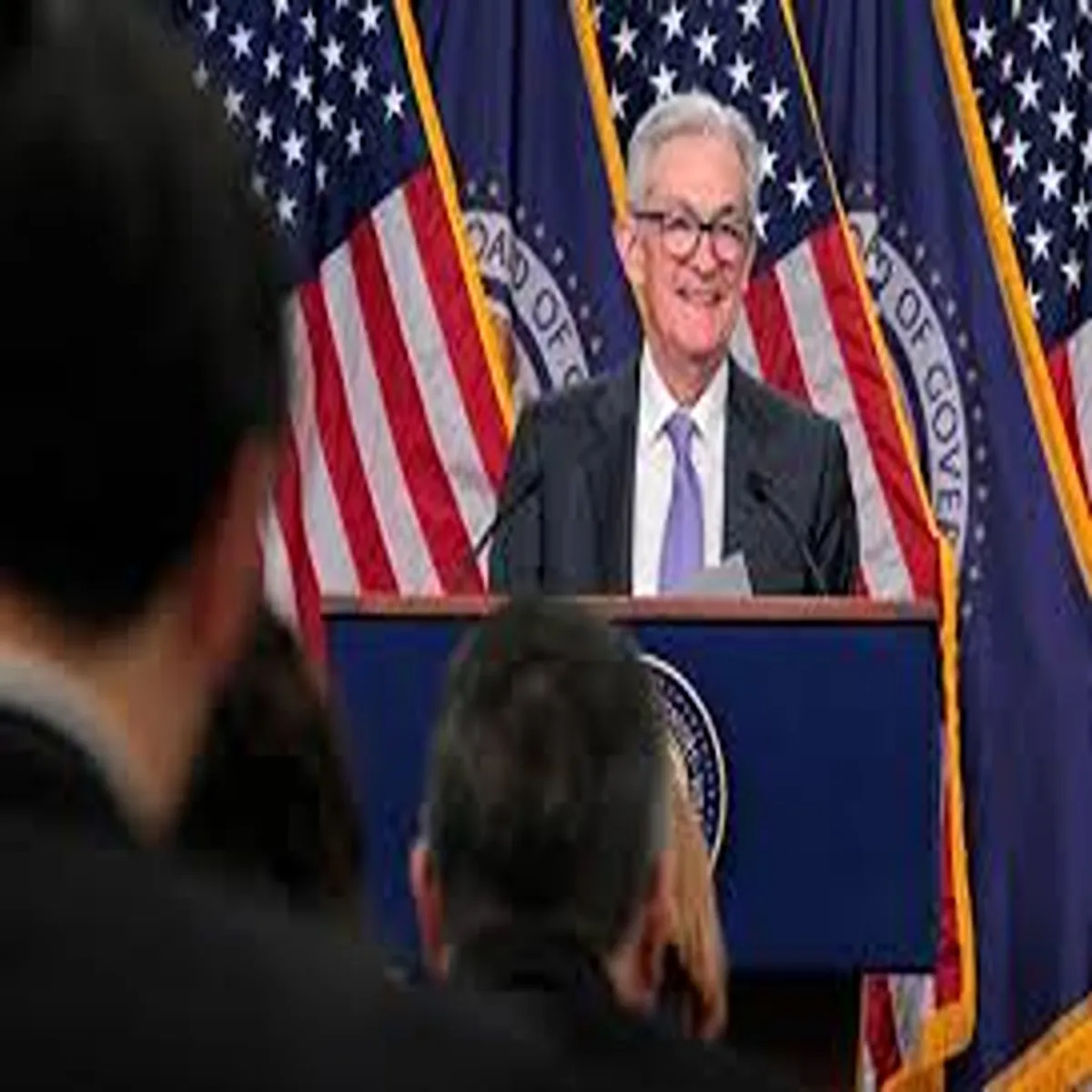
Federal- The U.S. financial landscape is entering a period of recalibration as the Federal Reserve continues balancing inflation control with economic stability. Recent policy signals from the central bank indicate a cautious approach toward interest rate adjustments in 2026, reflecting both easing inflation pressures and steady labor market conditions.
Officials have maintained a data-dependent stance, emphasizing that future monetary decisions will rely heavily on economic indicators such as consumer price trends, wage growth, and employment figures. The Fed’s strategy has gained increased attention from investors and policymakers who are trying to forecast borrowing costs and capital flows across sectors.
Market analysts note that the central bank’s tempered tone suggests that aggressive rate hikes may remain off the table for now. Instead, policymakers appear focused on maintaining economic momentum while preventing inflation from resurging above target levels.
Inflation Trends Show Gradual Cooling Across Key Consumer Categories
Latest data from the U.S. Bureau of Labor Statistics reveals that inflation has moderated compared to its peak levels recorded during earlier post-pandemic recovery phases. Consumer Price Index (CPI) growth has slowed across several major spending categories, including energy, used vehicles, and select consumer goods.
However, inflation remains uneven across service-based sectors such as housing, insurance, and healthcare. Economists point out that service inflation tends to respond more slowly to monetary tightening, making it a critical factor in determining how quickly price stability can be restored.
For American households, the gradual easing of inflation has offered limited but noticeable relief in everyday expenses. Retail and travel spending patterns indicate that consumers remain resilient, although more cautious in discretionary purchases. Financial experts suggest that consumer spending will remain a key pillar supporting overall economic growth throughout the year.
Labor Market Stability Continues to Support Economic Expansion
The U.S. labor market remains one of the strongest components of the nation’s economic outlook. Unemployment rates have stayed near historic lows, while wage growth has maintained moderate momentum across multiple industries.
Recent policy remarks from Federal Reserve Chair Jerome Powell highlight that while job creation remains steady, the central bank is monitoring potential imbalances between labor demand and supply. Powell emphasized that sustaining employment gains without reigniting inflation remains a central policy objective.
Corporate hiring trends suggest employers are becoming more selective, prioritizing productivity and operational efficiency over rapid workforce expansion. This shift reflects broader economic adjustments as companies navigate evolving consumer behavior and higher borrowing costs.
Stock Market Performance Reflects Investor Caution and Opportunity
Equity markets have responded with mixed performance as investors evaluate the Fed’s policy outlook and macroeconomic data. Major benchmarks such as the S&P 500, Dow Jones Industrial Average, and Nasdaq Composite have experienced periodic volatility driven by earnings reports, interest rate expectations, and geopolitical developments.
Technology and artificial intelligence-driven companies continue to attract significant investor interest, supported by strong revenue growth and expanding enterprise demand. Meanwhile, sectors such as real estate and utilities have faced pressure due to higher financing costs and slower capital investment cycles.
Financial advisors note that diversified portfolio strategies remain critical as market cycles transition. Investors are increasingly focusing on long-term fundamentals, including corporate earnings sustainability and cash flow resilience.
Consumer Borrowing and Housing Markets Face Interest Rate Pressure
Higher interest rates have significantly influenced borrowing costs for American consumers, particularly in housing and credit markets. Mortgage rates have remained elevated compared to pre-pandemic levels, contributing to reduced housing affordability in several metropolitan areas.
Despite affordability challenges, housing supply constraints have prevented sharp declines in property values. Homebuilders are gradually increasing construction activity, although labor shortages and material costs continue to limit rapid supply expansion.
Credit card and auto loan borrowing have also reflected tighter lending standards, with banks prioritizing credit quality amid uncertain economic conditions. Financial analysts suggest that household balance sheets remain relatively strong, supported by accumulated savings and stable employment income.
Economic Outlook Points to Measured Growth and Policy Flexibility
Economic projections from major financial institutions suggest the U.S. economy is likely to experience moderate but stable growth through 2026. While recession concerns have diminished compared to previous years, economists warn that external risks such as global trade tensions, energy price fluctuations, and fiscal policy debates could influence future growth trajectories.
The Federal Reserve’s commitment to maintaining policy flexibility provides reassurance to investors seeking clarity in uncertain economic environments. Market participants are closely monitoring upcoming inflation data releases and employment reports, which are expected to shape the timing and magnitude of any future rate adjustments.
Financial experts widely agree that the current economic environment favors cautious optimism. The combination of controlled inflation, strong labor participation, and corporate earnings stability creates a foundation for sustainable expansion, although short-term volatility is expected to persist across financial markets.