
Rising- The U.S. insurance industry is entering a new phase in 2026 as insurers, regulators, and consumers adapt to rising climate risks, expensive vehicle repairs, and the growing influence of artificial intelligence in underwriting. After several years of steep premium hikes across auto, homeowners, and commercial coverage, the market is showing signs of stabilization in some areas, but affordability remains a major concern for millions of Americans.
Recent industry reports show that insurers are relying more heavily on predictive analytics, AI-driven risk models, and real-time property data to assess policies and claims. At the same time, policyholders across the United States are facing continued pressure from inflation-linked repair costs, severe weather events, and stricter underwriting standards.
Homeowners Insurance Faces Climate Pressure Across Key States
Homeowners insurance remains one of the most closely watched sectors in the U.S. insurance market this year. Carriers operating in states such as California, Florida, Texas, and Louisiana continue to adjust pricing models after repeated wildfire, hurricane, and severe storm losses over the past several years.
Industry analysts say the frequency of billion-dollar weather disasters has fundamentally changed how insurers calculate long-term exposure. Several insurers have tightened policy availability in high-risk ZIP codes, while others are increasing deductibles or requiring additional inspections before issuing new coverage.
Despite those challenges, some market observers believe the homeowners insurance sector is beginning to stabilize compared with the volatility seen in 2023 and 2024. Expanded use of aerial imagery, geospatial mapping, and AI-powered risk assessments has allowed insurers to refine property evaluations more accurately.
Insurers are also encouraging homeowners to invest in mitigation measures such as impact-resistant roofing, wildfire-resistant landscaping, flood barriers, and upgraded electrical systems. These improvements are increasingly tied to premium discounts and underwriting approvals.
Auto Insurance Costs Remain a Financial Burden
Auto insurance premiums continue to weigh heavily on U.S. households in 2026, even as pricing growth slows compared with the sharp increases recorded during the previous two years.
Repair expenses remain elevated because modern vehicles rely on advanced sensors, cameras, driver-assistance systems, and expensive replacement parts. Industry data shows that even minor collisions now involve significantly higher repair costs than before the pandemic.
Insurance companies are also dealing with rising medical costs, litigation expenses, and higher claim severity tied to distracted driving and extreme weather-related accidents. These pressures have contributed to continued premium increases in many states.
Consumer advocacy groups warn that affordability concerns are leading some drivers to reduce coverage limits or drive without insurance entirely. Analysts say uninsured motorist rates have increased in several regions as households struggle to balance insurance payments with broader living expenses.
Many insurers are now expanding usage-based insurance programs that track mileage, braking behavior, speed patterns, and driving habits through smartphone apps or in-vehicle devices. Supporters argue these programs reward safe drivers with lower premiums, while critics continue to raise concerns about privacy and data collection.
Artificial Intelligence Changes Underwriting and Claims Processing
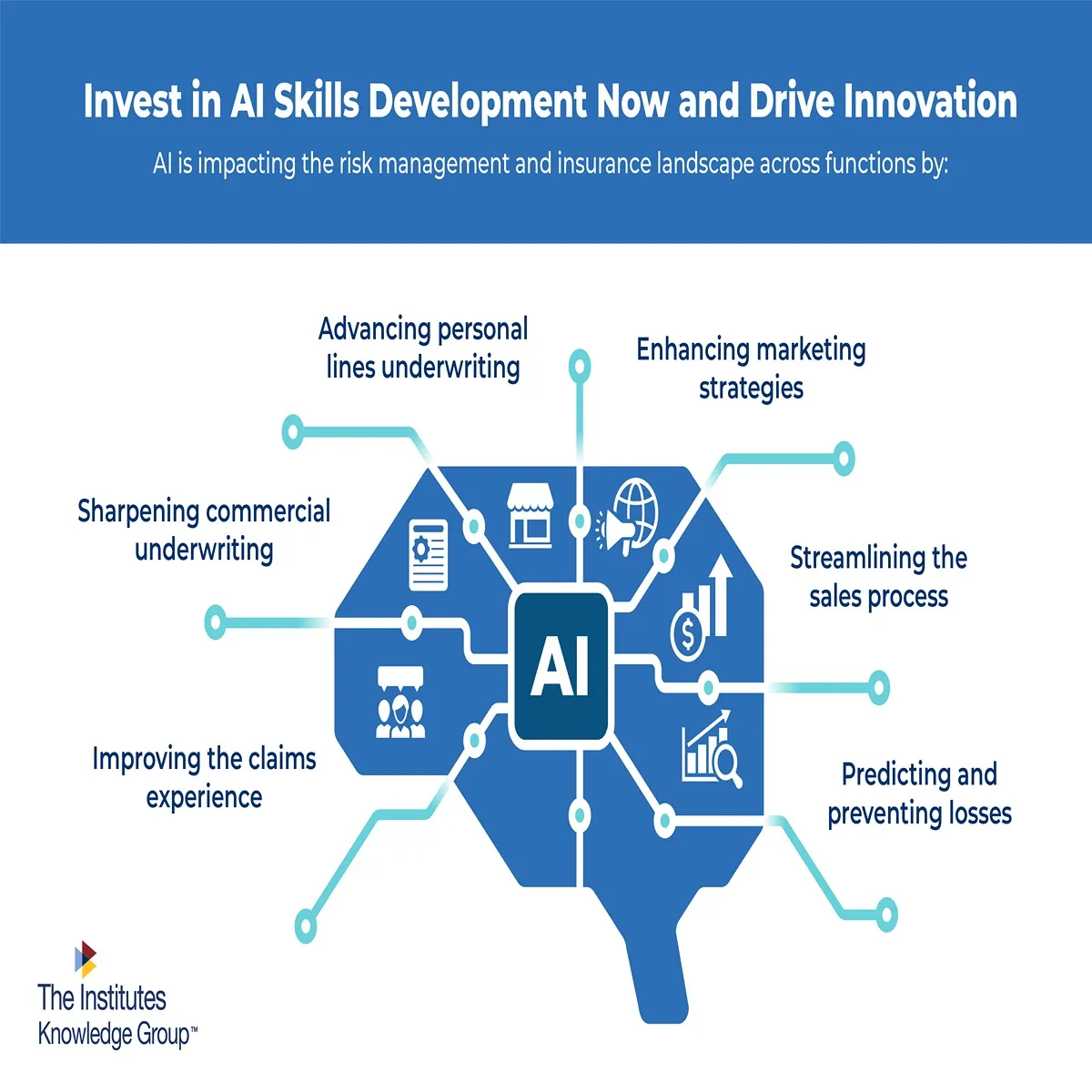
Artificial intelligence has rapidly become one of the most influential technologies shaping the U.S. insurance market in 2026. Major insurers are investing heavily in automation tools designed to speed up underwriting decisions, fraud detection, and claims processing.
AI systems are now capable of analyzing satellite images, weather records, property histories, repair databases, and behavioral patterns within seconds. This allows insurers to process applications faster and identify potential risks with greater precision.
Claims departments are also increasingly using AI-powered image recognition tools to estimate vehicle damage and property losses. Some carriers have reduced claims response times significantly by automating portions of the review process.
However, regulators and consumer advocates are paying close attention to how AI models are being deployed. Concerns remain over transparency, algorithmic bias, and whether automated systems could unintentionally disadvantage certain consumers.
Several state regulators are now reviewing AI governance standards for insurance underwriting to ensure compliance with consumer protection laws. Industry experts believe regulatory oversight of AI-driven insurance models will expand further over the next few years.
Insurance Industry Reports Stronger Financial Stability
While consumers continue to deal with higher premiums, many large insurers reported improved financial performance entering 2026. Lower catastrophe losses in some quarters, stronger underwriting discipline, and higher investment income have helped stabilize balance sheets.
Property and casualty insurers, in particular, have benefited from improved underwriting margins after aggressively adjusting rates during the previous market cycle. Analysts say many insurers are now operating with healthier reserves compared with the post-pandemic years.
Commercial insurance demand also remains strong across sectors such as cyber insurance, logistics, manufacturing, healthcare, and technology infrastructure. Businesses are increasingly seeking specialized protection against ransomware attacks, data breaches, supply-chain interruptions, and operational disruptions.
Cyber insurance continues to grow rapidly as companies face escalating cybersecurity threats. Insurers are tightening cybersecurity requirements before issuing policies, often requiring multi-factor authentication, employee training programs, and advanced network monitoring systems.
Consumers Push Back Against Higher Premiums
As insurance costs rise, lawmakers and consumer organizations across the United States are demanding greater transparency from insurers.
Recent studies have questioned whether some carriers are collecting more premium revenue than necessary relative to claims payouts. Consumer advocates argue that policyholders deserve clearer explanations for pricing increases, particularly in states experiencing repeated rate hikes.
Insurance commissioners in multiple states are also facing pressure to balance insurer solvency with affordability concerns. Regulators must navigate a difficult environment where insurers warn that inadequate pricing could force companies to reduce market participation in high-risk regions.
Meanwhile, insurance comparison shopping has become more common among American households. Financial advisers increasingly recommend that consumers review policies annually, compare quotes from multiple carriers, and reassess deductibles and coverage limits.
Experts also encourage homeowners and drivers to improve credit scores, bundle policies, maintain clean claims histories, and adopt risk-reduction measures to qualify for better rates.
What the Insurance Market Could Look Like Next
The broader U.S. insurance market is expected to remain highly dynamic throughout 2026 and beyond. Climate-driven catastrophe exposure, inflation, evolving litigation trends, cybersecurity threats, and AI adoption are all reshaping how insurers price and manage risk.
Industry analysts believe insurers will continue investing in predictive modeling and real-time data analysis to improve underwriting accuracy. Parametric insurance products, which trigger payouts automatically after predefined events such as hurricanes or earthquakes, are also attracting increased attention.
At the same time, regulators are expected to intensify scrutiny of pricing practices, AI governance, and consumer protection standards. The debate over affordability versus risk-based pricing is likely to remain a major issue across the U.S. insurance sector.
For American consumers, the message entering the second half of 2026 is becoming increasingly clear: insurance is no longer just a routine monthly expense. It has become a central financial issue tied directly to climate resilience, economic stability, technology, and long-term household security.