
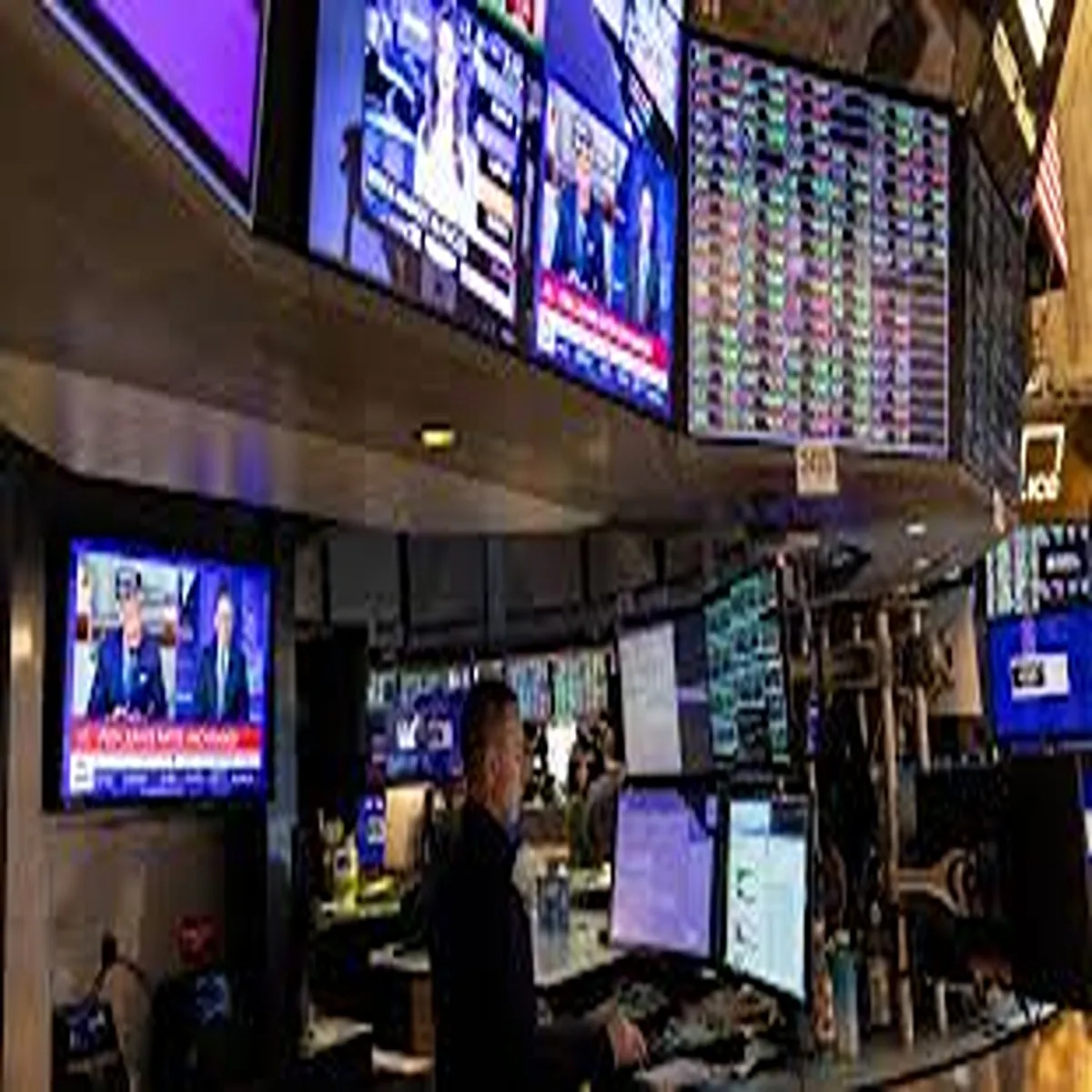
Wall Street- The U.S. stock market moved cautiously this week as investors balanced expectations around interest rate policy with a fresh wave of corporate earnings. Major indexes, including the S&P 500, Dow Jones Industrial Average, and Nasdaq Composite, showed mixed performance as traders evaluated new economic data and guidance from leading technology companies. Market sentiment remains sensitive to signals from the Federal Reserve, while ongoing developments in artificial intelligence and cloud computing continue to drive momentum in the technology sector.

Investors Monitor Federal Reserve Policy Signals
One of the most important factors influencing Wall Street right now is monetary policy. Market participants are closely tracking commentary from officials at the Federal Reserve as they assess the future path of interest rates.
After a period of aggressive rate hikes to curb inflation, investors are increasingly focused on when policymakers might begin easing monetary policy. Recent economic data suggests inflation is moderating but remains above the central bank’s long-term target.
Higher interest rates tend to weigh on equities because they increase borrowing costs for companies and reduce the present value of future earnings. As a result, even subtle changes in expectations about rate cuts can trigger noticeable movements across the S&P 500 and other major indexes.
For now, analysts say the market is in a “wait-and-see” phase as traders look for clearer guidance in upcoming economic reports and policy statements.
Technology Giants Continue to Drive Market Momentum
Large technology companies remain a central force behind the performance of U.S. equities. Companies such as Apple, Microsoft, NVIDIA, and Amazon continue to hold significant weight in major indexes and have played a major role in the market’s gains over the past year.
Investors have shown strong interest in companies linked to artificial intelligence infrastructure, cloud services, and semiconductor development. The rapid adoption of AI tools across industries has strengthened revenue forecasts for chipmakers and data-center providers.
For example, NVIDIA has emerged as one of the biggest beneficiaries of the AI boom, with demand for its advanced graphics processing units soaring among technology firms and cloud providers.
Because these companies carry large index weightings, their earnings reports and outlooks can significantly influence overall market direction.
Economic Data Adds Mixed Signals for Wall Street
Recent economic indicators have presented a complex picture for investors. Labor market data continues to show resilience, with steady job creation and relatively low unemployment across the United States.
At the same time, consumer spending patterns have begun to moderate as households adjust to higher borrowing costs. Analysts are watching closely for signs that economic growth may slow later in the year.
Inflation readings remain a key focus. If price pressures continue to ease gradually, it could strengthen the case for potential rate cuts from the Federal Reserve. However, stronger-than-expected economic data could delay such moves.
This uncertainty has contributed to short-term volatility across sectors, particularly in rate-sensitive industries such as real estate and small-cap stocks.
Sector Performance Shows Diverging Trends
Not all parts of the market are moving in the same direction. Technology and communication services stocks have continued to attract investor attention due to their growth prospects.
Meanwhile, sectors such as energy, healthcare, and financials have shown more mixed performance depending on commodity prices, regulatory developments, and earnings outlooks.
Banking stocks, for instance, are closely tied to interest rate expectations because changes in rates influence lending margins and deposit flows. Similarly, energy companies remain sensitive to fluctuations in global oil prices.
Diversification across sectors remains a common strategy among investors navigating this uncertain environment.
Institutional Investors Focus on Long-Term Signals
Large institutional investors—including pension funds, asset managers, and hedge funds—are increasingly focusing on long-term economic trends rather than reacting to short-term market swings.
Themes such as artificial intelligence, infrastructure investment, energy transition, and advanced manufacturing are expected to shape investment strategies in the coming years.
Companies involved in semiconductor production, automation technologies, and clean energy systems are attracting attention from portfolio managers looking for long-term growth opportunities.
At the same time, many investors are maintaining balanced portfolios that include both growth-oriented technology stocks and more stable dividend-paying companies.
What Analysts Expect in the Coming Months
Market analysts say several key developments could influence the direction of U.S. equities in the near term.
Upcoming inflation reports, employment data, and statements from the Federal Reserve will likely play a central role in shaping expectations for interest rate policy. In addition, quarterly earnings results from major technology firms could determine whether the recent rally in tech stocks continues.
Some strategists believe the S&P 500 may continue to experience periods of volatility as investors reassess valuations and economic forecasts. However, many also note that strong corporate earnings and steady economic growth could support the broader market over the long run.
For everyday investors, experts emphasize the importance of maintaining diversified portfolios and focusing on long-term financial goals rather than reacting to short-term fluctuations.