
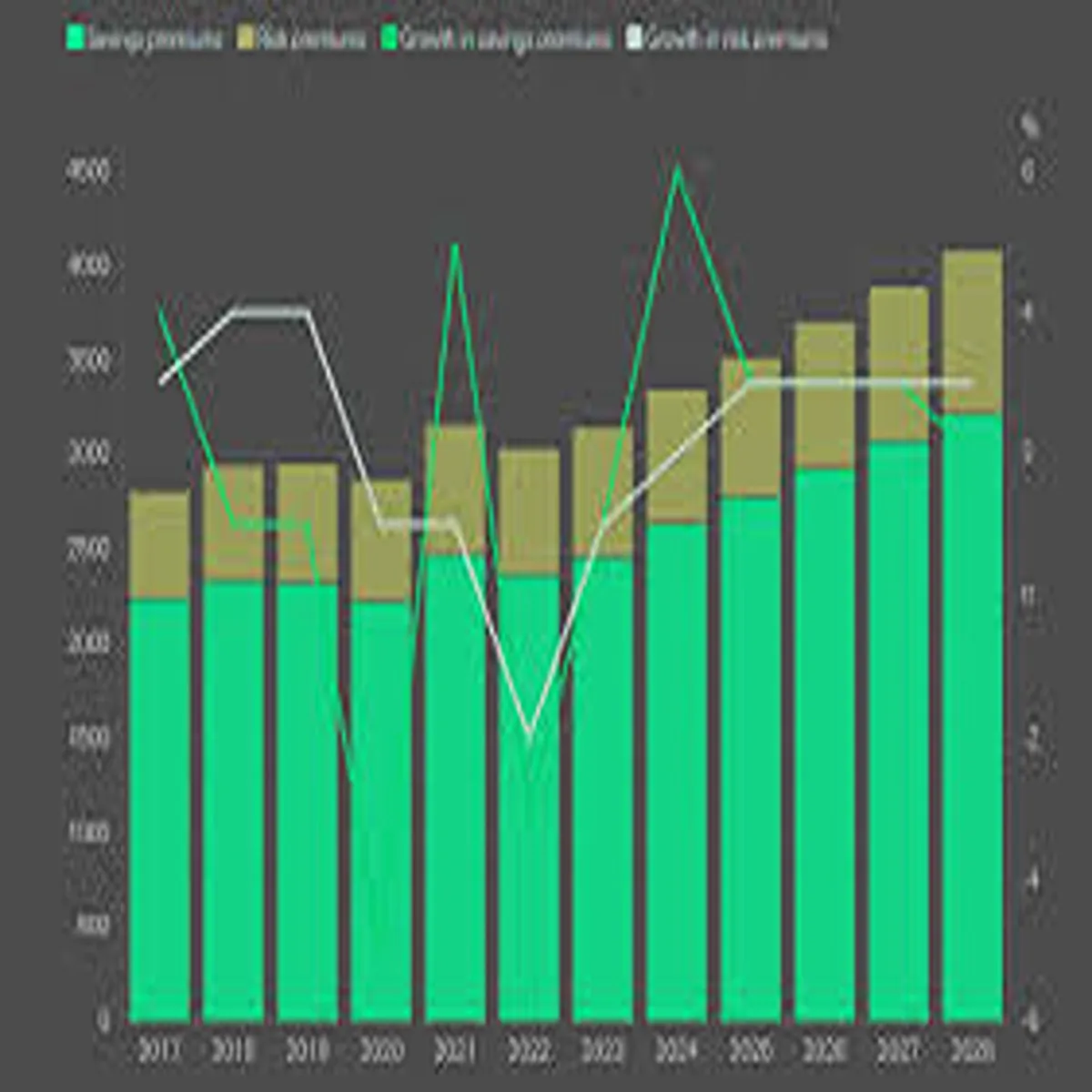
U.S. Insurance Market- The U.S. insurance industry is entering a period of rapid change as rising climate risks, inflation, and regulatory shifts reshape how policies are priced and offered across the country. From homeowners insurance in disaster-prone states to auto insurance premiums affected by repair costs, American consumers are seeing noticeable changes in coverage options and pricing in 2026. Industry analysts say the adjustments reflect a broader effort by insurers to balance risk exposure with long-term financial stability.
Why Insurance Premiums Are Increasing Across the U.S.
Insurance premiums have been trending upward across several major categories, including homeowners, auto, and property insurance. According to recent industry reports from market analysts and insurance regulators, rising claims costs are a primary factor driving the increase.
In the homeowners insurance sector, severe weather events such as hurricanes, wildfires, and flooding have led to billions of dollars in claims over the past few years. Insurers are recalculating risk models to account for these patterns, which often results in higher premiums for policyholders in vulnerable regions.
Auto insurance has also been affected. Modern vehicles contain advanced sensors and technology, making repairs significantly more expensive after accidents. Labor shortages in auto repair and higher parts costs have further increased claim payouts, prompting insurers to adjust premium rates to maintain profitability.
Climate Risk Is Reshaping the Homeowners Insurance Landscape
One of the most significant forces influencing the U.S. insurance market is climate-related risk. States such as California, Florida, and Louisiana have experienced major insurance disruptions due to repeated natural disasters.
In wildfire-prone areas of California, several insurers have reduced new policy offerings or tightened underwriting standards. Meanwhile, hurricane exposure in Florida has led to a wave of policy non-renewals and premium adjustments. Insurers argue these decisions are necessary to manage long-term risk, but consumer advocates say they raise affordability concerns for homeowners.
Insurance regulators in multiple states are now working with companies to stabilize markets. Some states have introduced reforms aimed at improving transparency in pricing models and encouraging insurers to continue operating in high-risk areas.
Auto Insurance Trends: Technology, Claims Costs, and Telematics
Auto insurance remains one of the most widely purchased forms of coverage in the United States, but the industry is undergoing significant technological transformation.
Many insurers are expanding usage-based insurance programs, often called telematics. These programs use smartphone apps or connected devices to track driving behavior, including speed, braking patterns, and mileage. Drivers who demonstrate safe habits can receive discounts on their premiums.
While telematics programs can reduce costs for some consumers, privacy advocates have raised questions about how driving data is stored and used. Insurers say participation remains voluntary and that collected data is primarily used to calculate personalized risk scores.
At the same time, electric vehicles (EVs) are introducing new insurance considerations. EVs often cost more to repair due to specialized components such as battery systems, which can lead to higher insurance premiums compared with traditional gasoline vehicles.
Health Insurance Adjustments and Policy Changes in 2026
Health insurance remains another evolving segment of the U.S. market. Insurers offering plans through the Affordable Care Act (ACA) marketplaces are adjusting premiums and coverage structures in response to healthcare cost trends.
Medical inflation, prescription drug pricing, and hospital service costs continue to influence policy pricing. However, federal subsidies and expanded enrollment outreach have helped maintain strong participation in ACA marketplaces.
Employers are also experimenting with new health benefit models. High-deductible health plans paired with Health Savings Accounts (HSAs) remain common, while some companies are exploring value-based care arrangements that reward healthcare providers for improved patient outcomes rather than service volume.
Insurers Turn to Data and AI for Risk Assessment
Behind the scenes, insurance companies are increasingly relying on advanced analytics and artificial intelligence to evaluate risk and streamline operations.
Predictive modeling allows insurers to analyze large datasets, including weather patterns, property characteristics, and driving behavior. These tools help companies estimate the likelihood of future claims and price policies accordingly.
Regulators are closely monitoring the use of AI in underwriting to ensure that algorithms do not unintentionally produce discriminatory outcomes. Industry groups have emphasized the importance of transparency and regulatory oversight as technology becomes more deeply embedded in insurance decision-making.
What U.S. Consumers Should Watch in the Coming Year
For American households, the evolving insurance landscape means it may be more important than ever to review policies regularly and compare coverage options. Experts recommend checking policy limits, deductibles, and available discounts to ensure coverage remains aligned with personal financial risk.
Homeowners in regions vulnerable to natural disasters may need to explore supplemental coverage options such as flood insurance, which is typically not included in standard homeowners policies. Similarly, drivers could benefit from comparing telematics programs or bundling home and auto insurance to reduce overall costs.
As the industry continues to adapt to economic pressures and climate realities, insurers and regulators alike are working to balance affordability with the need for sustainable risk management.
Insurance market trends suggest that policy structures, pricing models, and technology integration will continue to evolve in the coming years. For consumers, staying informed about these changes will be essential in navigating coverage decisions and protecting financial security.