
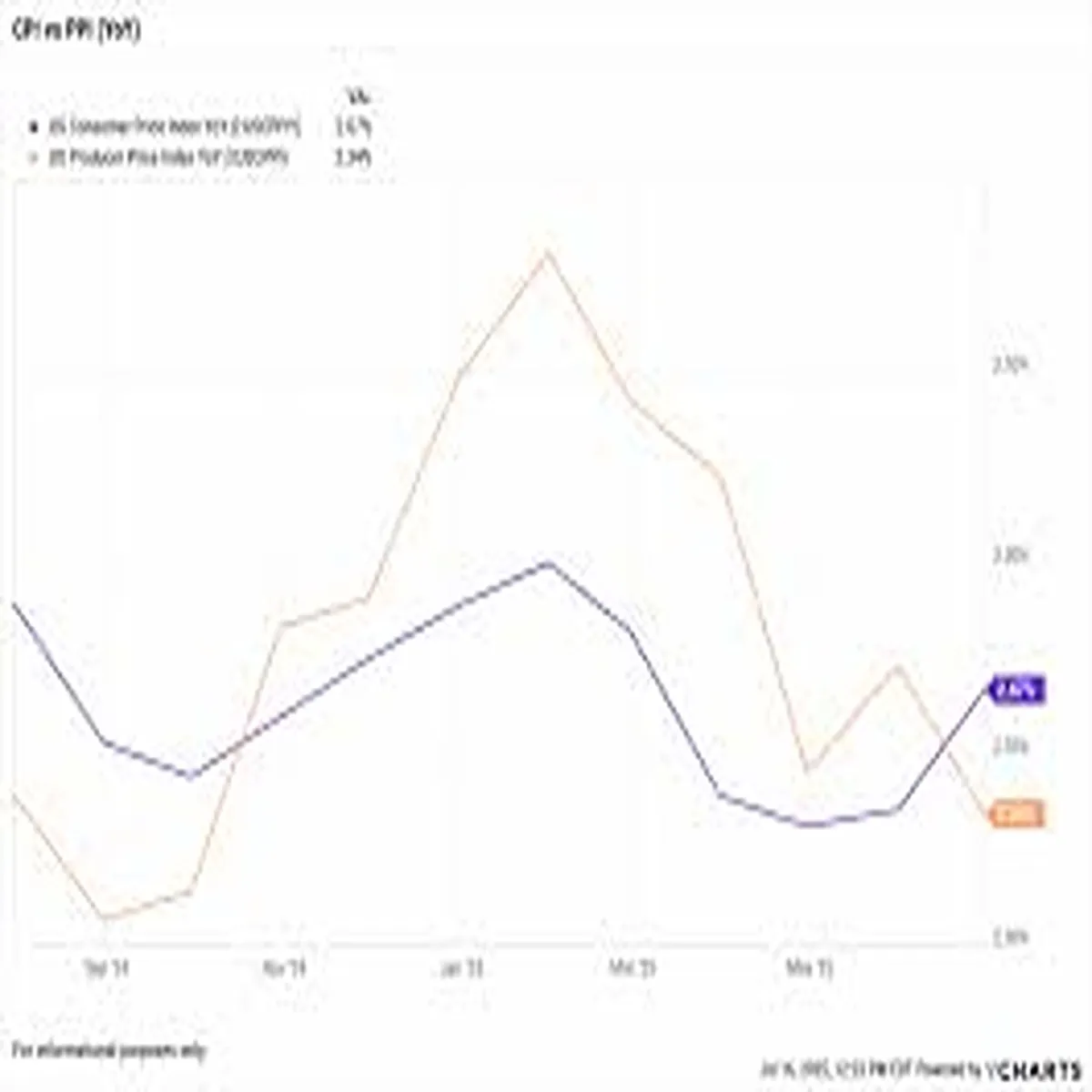
US Inflation- The latest round of economic data is giving U.S. consumers and investors a clearer view of where the economy may be headed in 2026. Fresh inflation readings show price pressures continuing to ease compared with last year, while policymakers at the Federal Reserve are signaling a measured and data-driven approach to interest rates. For households, mortgage holders, and Wall Street alike, the message is consistent: stability is improving, but uncertainty has not fully disappeared.
Inflation Data Shows Gradual Progress
Recent Consumer Price Index (CPI) and Personal Consumption Expenditures (PCE) reports indicate that inflation has moderated significantly from its 2022 peak. Core inflation — which excludes volatile food and energy prices — has continued trending closer to the Federal Reserve’s long-term 2% target.
Energy prices have stabilized in recent months, and supply chain pressures that once drove goods inflation have largely normalized. However, services inflation, particularly in housing and insurance, remains elevated compared with pre-pandemic averages.
For American consumers, this cooling trend has translated into slower price increases at grocery stores, auto dealerships, and retail outlets. While prices remain higher than they were three years ago, the pace of increases has eased, offering some relief to household budgets.
Federal Reserve Maintains Cautious Tone on Interest Rates
At its most recent policy meeting, the Federal Reserve left benchmark interest rates unchanged, reinforcing its message that future rate decisions will depend heavily on incoming data.
Chair Jerome Powell emphasized that policymakers want greater confidence that inflation is sustainably moving toward the 2% target before considering meaningful rate cuts. Market participants had previously expected aggressive easing, but those expectations have moderated as economic growth remains resilient.
Treasury yields have fluctuated in response to these signals, with the 10-year Treasury yield reflecting shifting investor sentiment about the path of monetary policy. Equity markets initially reacted positively to signs of disinflation but have shown sensitivity to rate outlook adjustments.
Labor Market Remains a Key Driver
One of the strongest pillars of the U.S. economy continues to be the labor market. Monthly nonfarm payroll reports show steady job creation, while unemployment remains historically low by long-term standards.
Wage growth has cooled slightly but continues to outpace inflation in several sectors. That dynamic supports consumer spending, which accounts for roughly two-thirds of U.S. GDP.
However, economists note that a gradual softening in hiring trends could emerge later this year. Job openings have declined from peak levels, and some sectors — particularly technology and finance — have seen more selective recruitment.
The Federal Reserve has repeatedly indicated that maintaining a balanced labor market without reigniting inflation is central to its policy strategy.
Mortgage Rates and Housing Market Adjustments
Mortgage rates remain elevated compared with the ultra-low levels seen during 2020 and 2021. The average 30-year fixed mortgage rate continues to hover well above pre-pandemic norms, affecting home affordability across the country.
High borrowing costs have slowed home sales activity in several metropolitan areas. At the same time, limited housing supply has prevented dramatic price corrections. In many regions, home values remain near record highs despite softer transaction volumes.
For first-time buyers, affordability challenges persist. Industry analysts suggest that sustained declines in inflation combined with eventual rate cuts could improve conditions later in the year, though timing remains uncertain.
Stock Market Performance Reflects Mixed Signals
U.S. equity markets have delivered solid gains over the past year, driven largely by strong corporate earnings and investor optimism surrounding artificial intelligence and technology innovation.
Major indices such as the S&P 500 and Nasdaq Composite have experienced volatility tied to rate expectations but remain supported by robust earnings from large-cap firms.
Investors are closely monitoring forward guidance from corporations as well as macroeconomic indicators. Sectors such as energy, financials, and consumer discretionary have shown varied performance depending on interest rate sensitivity and global demand.
Market strategists caution that valuations in certain segments remain elevated, making earnings growth critical to sustaining momentum.
Consumer Sentiment and Spending Trends
Consumer confidence surveys suggest Americans are gradually becoming more optimistic about financial conditions compared with last year. Cooling inflation has contributed to improved sentiment, though concerns about credit card balances and student loan repayments persist.
Credit usage has risen, and delinquency rates in certain lending categories have ticked higher, particularly among subprime borrowers. Banks have responded by tightening lending standards modestly, especially for auto loans and commercial real estate financing.
Retail sales data indicates that discretionary spending remains steady but selective. Travel, dining, and experiences continue to attract consumer dollars, while big-ticket durable goods purchases have moderated.
What This Means for Investors and Households
For investors, the current environment underscores the importance of diversification and risk management. While inflation has eased, the trajectory of interest rates will remain a central driver of bond and equity performance.
For households, gradual improvements in price stability offer breathing room, but borrowing costs remain elevated. Financial planners recommend maintaining emergency savings and carefully evaluating refinancing opportunities as rate conditions evolve.
Economic forecasts from major financial institutions suggest moderate growth for the U.S. economy through 2026, with inflation continuing to trend lower but potentially remaining above 2% in the near term.
The broader takeaway: the U.S. economy is showing resilience, but policymakers and markets remain vigilant. Inflation is cooling, growth is steady, and rate decisions are likely to stay data-dependent — a balancing act that will shape financial conditions in the months ahead.