
U.S. Loan Market 2026- The U.S. loan market is entering 2026 with renewed attention from borrowers, lenders, and policymakers alike. After two years of elevated interest rates and tighter credit standards, Americans are navigating a complex borrowing landscape shaped by Federal Reserve policy, inflation trends, and shifting consumer demand. From mortgages and auto loans to student debt and personal lending, the latest data shows a market that remains active—but increasingly selective.
Interest Rates Remain a Key Driver of Loan Demand
Interest rates continue to influence every corner of the lending market. Following aggressive rate hikes in 2022 and 2023, the Federal Reserve adopted a more cautious stance in 2024 and 2025 as inflation cooled. While benchmark rates have stabilized compared to their peak, borrowing costs remain significantly higher than pre-pandemic levels.
Mortgage rates, for instance, have fluctuated between the mid-6% and low-7% range for 30-year fixed loans in recent months. That has dampened refinancing activity but kept purchase demand relatively steady in regions with strong job growth. Personal loan and credit card APRs also remain elevated, increasing the cost of unsecured borrowing for households already managing higher living expenses.
Financial analysts note that rate-sensitive sectors, particularly housing and auto sales, are closely tied to any further moves by the Fed. Even modest rate cuts could unlock pent-up demand from borrowers waiting on the sidelines.
Mortgage Lending: Inventory and Affordability Shape Growth
Housing remains one of the most closely watched segments of the loan market. According to industry reports, mortgage originations have stabilized compared to 2023 lows, but affordability challenges persist.
Limited housing inventory in major metro areas continues to push home prices upward, offsetting the benefits of slightly lower rates. First-time buyers, in particular, are facing higher down payment requirements and stricter debt-to-income standards.
Government-backed loans, including FHA and VA programs, have seen renewed interest among eligible borrowers seeking more flexible underwriting. Lenders are also offering adjustable-rate mortgage (ARM) products more actively, though consumers remain cautious given recent rate volatility.
For homeowners with mortgages locked in at historically low rates during 2020–2021, the so-called “rate lock-in effect” continues to reduce home listings, limiting supply and influencing overall mortgage loan volume.
Auto Loans: Delinquencies Rise as Prices Stay High
Auto lending has become a growing concern within the broader consumer credit market. Vehicle prices, although easing from pandemic-era highs, remain above 2019 averages. Combined with higher interest rates, that has pushed average monthly auto payments to record levels.
Data from major credit bureaus shows that auto loan delinquencies have ticked upward, particularly among subprime borrowers. Lenders have responded by tightening underwriting standards and requiring higher credit scores for the most competitive rates.
At the same time, electric vehicle (EV) financing is gaining traction, supported by federal tax incentives and manufacturer-backed loan programs. Dealership financing arms are increasingly offering promotional APRs to stimulate demand in a competitive market.
Student Loan Repayment Reshapes Household Budgets
The resumption of federal student loan repayments after pandemic-era pauses has significantly impacted millions of Americans. Borrowers are adjusting monthly budgets to accommodate resumed payments, influencing spending patterns and credit behavior.
The U.S. Department of Education has expanded income-driven repayment (IDR) plans to ease the transition. However, financial planners warn that borrowers juggling student loans alongside credit card debt and rising housing costs may face increased financial strain.
Private student loan refinancing has seen modest growth as some borrowers seek lower rates or simplified repayment structures. Still, refinancing decisions depend heavily on individual credit profiles and long-term financial goals.
Personal Loans and Credit Card Balances Climb
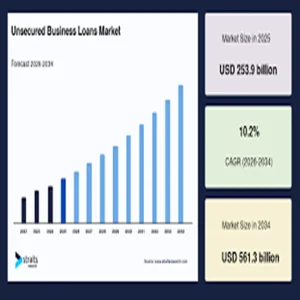
Unsecured personal loans remain a popular option for debt consolidation, home improvement projects, and emergency expenses. Online lenders and fintech platforms continue to compete with traditional banks by offering faster approvals and streamlined digital applications.
Meanwhile, total credit card balances nationwide have reached record highs, reflecting both inflation-driven spending and increased reliance on revolving credit. Average credit card APRs remain above 20%, prompting financial advisors to caution consumers about long-term interest costs.
Banks are closely monitoring credit performance indicators, particularly as consumer savings accumulated during the pandemic have largely diminished.
Small Business Lending Shows Gradual Recovery
Small business lending is gradually rebounding as economic uncertainty eases. Community banks and credit unions are playing a central role in extending term loans and lines of credit to local enterprises.
SBA-backed loan programs remain a critical source of funding for startups and expanding businesses. Higher borrowing costs, however, continue to influence capital investment decisions, especially in industries sensitive to interest expenses such as real estate development and manufacturing.
Entrepreneurs are also exploring alternative financing options, including revenue-based financing and equipment leasing, to reduce upfront capital pressure.
What Borrowers Should Watch in 2026
Looking ahead, several factors could shape the trajectory of the U.S. loan market:
- Potential Federal Reserve rate adjustments
- Labor market stability and wage growth
- Inflation trends and consumer confidence
- Regulatory updates affecting lending standards
Financial experts emphasize the importance of credit score management, comparison shopping, and understanding total loan costs—including fees and variable interest structures.
For borrowers considering a mortgage, auto loan, or personal loan in 2026, transparency and preparation remain key. Reviewing credit reports, calculating debt-to-income ratios, and locking in competitive rates when available can make a measurable difference in long-term financial health.
A Lending Market Defined by Caution and Opportunity
The U.S. loan market today reflects a balance between resilience and restraint. While higher interest rates have tempered demand compared to the ultra-low borrowing environment of 2020–2021, consumer credit activity remains robust across multiple sectors.
Lenders are prioritizing risk management, and borrowers are becoming more strategic about debt decisions. As economic conditions evolve, the direction of interest rates and broader financial stability will ultimately determine whether 2026 becomes a year of expanded credit access—or continued cautious growth.
For now, Americans navigating the loan landscape face a market that rewards preparation, strong credit fundamentals, and careful financial planning.