
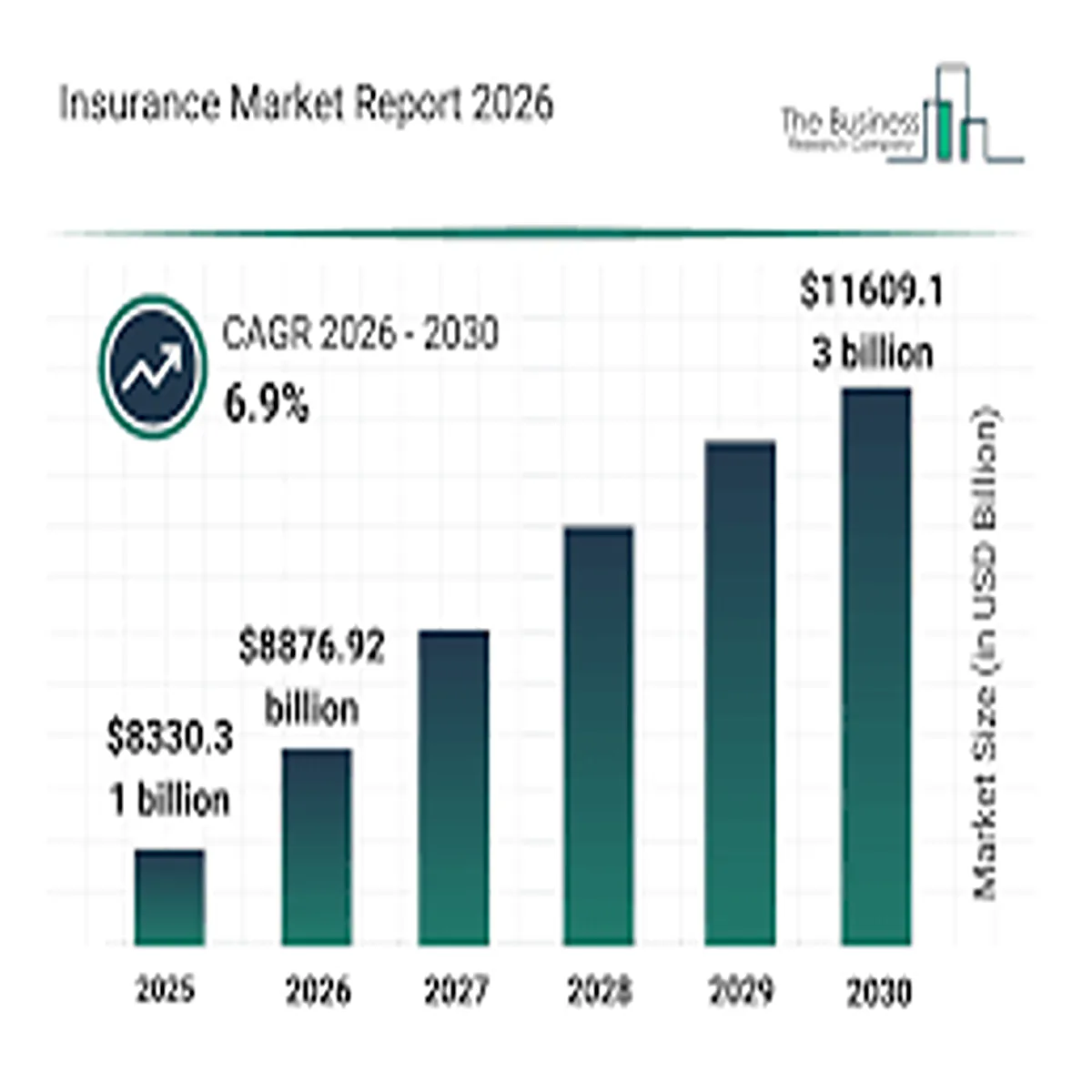
US Insurance Market in 2026- The U.S. insurance market is entering 2026 amid higher premiums, stricter underwriting standards, and rapid digital transformation. From auto and homeowners coverage to health and life insurance, American consumers are facing noticeable cost increases, driven by inflation, climate-related losses, medical expenses, and evolving regulatory frameworks. At the same time, insurers are expanding usage-based models, artificial intelligence tools, and online distribution platforms to remain competitive in a challenging environment.
Auto Insurance Rates Continue to Climb Nationwide
Auto insurance remains one of the most searched insurance topics in the United States, and for good reason. According to industry data from organizations such as the Insurance Information Institute, average auto insurance premiums have increased significantly over the past two years. Repair costs have surged due to advanced vehicle technology, higher parts prices, and labor shortages in auto body shops.
Electric vehicles (EVs) are also contributing to higher claim severity. While EV adoption is accelerating—boosted by federal tax incentives and state programs—repairing battery systems and sensors can be more expensive than traditional vehicles. Insurers are adjusting pricing models to reflect these higher costs.
In response, many carriers are expanding telematics-based “usage-based insurance” programs. Drivers who allow insurers to monitor driving behavior via mobile apps or plug-in devices may qualify for discounts. These programs are gaining traction among younger drivers and cost-conscious households looking to offset premium increases.
Homeowners Insurance Under Pressure From Climate Risks
The homeowners insurance segment is experiencing significant stress, particularly in disaster-prone states such as California, Florida, and Louisiana. Wildfires, hurricanes, floods, and severe storms have led to record-breaking insured losses in recent years.
Several major insurers have limited new policy issuance or tightened underwriting standards in high-risk ZIP codes. State regulators are working to stabilize markets, but premium increases are becoming common. Reinsurance costs—insurance for insurers—have also risen sharply, contributing to higher consumer prices.
In states like Florida, legislative reforms aimed at curbing litigation abuse and stabilizing the property insurance market are ongoing. However, consumers are still reporting double-digit premium increases in some regions. Homeowners are increasingly exploring higher deductibles, bundling policies, and mitigation upgrades—such as fortified roofing systems—to manage costs.
Health Insurance Costs and ACA Marketplace Trends
Health insurance remains a central issue for American households. Enrollment through the Affordable Care Act (ACA) marketplaces has reached record levels, supported by enhanced premium tax credits extended by federal lawmakers.
The Centers for Medicare & Medicaid Services has reported sustained growth in marketplace participation, particularly among middle-income families who benefit from expanded subsidies. However, medical inflation continues to pressure insurers, and some policyholders may see moderate premium adjustments depending on their state and plan category.
Employer-sponsored health coverage, which insures a majority of Americans under age 65, is also seeing rising costs. Employers are increasingly shifting toward high-deductible health plans (HDHPs) paired with Health Savings Accounts (HSAs), aiming to balance affordability with comprehensive benefits.
Telehealth services, which expanded rapidly during the pandemic, remain a permanent fixture in many health plans. Insurers are investing in digital health platforms to improve access while managing long-term care costs.
Life Insurance Demand Grows Amid Economic Uncertainty
Life insurance demand has remained resilient, particularly among millennials and Gen X consumers seeking financial security amid economic uncertainty. Digital-first insurers and online comparison tools have simplified the application process, reducing approval times for term life policies.
Data from industry associations indicates that term life insurance policies continue to dominate new sales, while permanent life products—such as whole life and universal life—remain popular for estate planning and wealth transfer strategies.
Insurers are also leveraging predictive analytics to refine underwriting processes. Accelerated underwriting, which may not require a traditional medical exam for certain applicants, is becoming more common. This approach has helped expand coverage access while improving operational efficiency.
Regulatory Oversight and Consumer Protections
Insurance regulation in the United States is primarily state-based, with oversight from state insurance departments. However, federal agencies and national associations provide coordination and policy guidance. The National Association of Insurance Commissioners continues to focus on data transparency, climate risk disclosures, and cybersecurity standards.
Cyber insurance is another fast-growing segment as businesses face increasing ransomware and data breach risks. Insurers are tightening underwriting requirements, often requiring stronger cybersecurity protocols before issuing policies.
For consumers, regulatory emphasis remains on rate justification, solvency monitoring, and fair claims handling practices. State insurance commissioners are encouraging policyholders to review coverage annually and understand exclusions, especially in catastrophe-prone areas.
Digital Transformation Reshaping the Insurance Experience
Across all lines of coverage, digital transformation is reshaping how Americans buy and manage insurance. Online quote comparison, mobile claims processing, and AI-powered chat support are now standard features for many insurers.
Insurtech companies are partnering with traditional carriers to streamline operations and personalize pricing. Advanced analytics allow insurers to assess risk more precisely, but they also raise questions about data privacy and algorithmic fairness—issues regulators are actively monitoring.
Consumers increasingly expect seamless digital experiences, transparent pricing, and faster claims settlements. Insurers that fail to modernize risk losing market share to more agile competitors.
What Consumers Should Watch in 2026
As 2026 unfolds, insurance shoppers in the U.S. should pay close attention to:
- Renewal notices and rate changes
- Deductible adjustments and coverage limits
- State-level regulatory updates
- Available discounts, including bundling and telematics
- Disaster preparedness requirements in high-risk regions
Comparing multiple quotes, reviewing policy details carefully, and consulting licensed agents when necessary can help households make informed decisions in a rapidly evolving insurance landscape.
With economic pressures, climate volatility, and digital innovation all converging, the U.S. insurance market is undergoing one of its most transformative periods in decades. For consumers, staying informed and proactive remains the most effective strategy in navigating rising costs and shifting coverage options.