
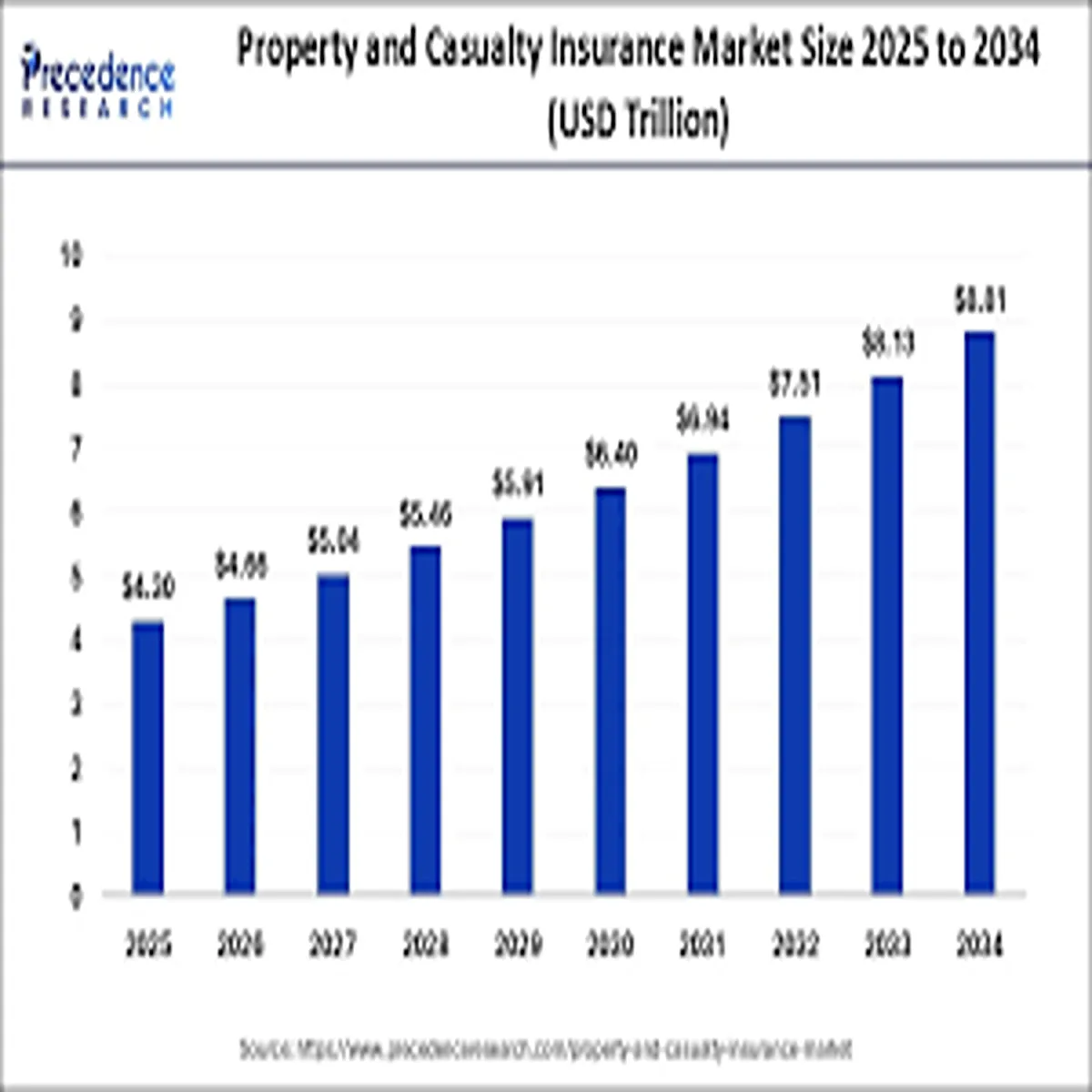
U.S. InsuranceMarket- The U.S. insurance industry is entering 2026 amid rising premiums, regulatory scrutiny, and shifting consumer behavior. From homeowners insurance challenges in climate-prone states to ongoing adjustments in auto and health coverage costs, insurers and policyholders alike are navigating a rapidly evolving market. Industry data, recent earnings reports, and state-level regulatory updates indicate that affordability, digital transformation, and climate risk management are shaping the direction of the American insurance landscape.
Rising Home Insurance Costs Reshape Housing Decisions
Home insurance premiums have climbed sharply across several U.S. regions over the past two years, particularly in states vulnerable to hurricanes, wildfires, and severe storms. Major carriers including State Farm and Allstate have adjusted pricing models and, in some cases, limited new policy issuance in high-risk areas.
According to industry filings and state insurance department reports, average homeowners premiums rose by double digits in parts of Florida, California, and Louisiana in 2024 and 2025. Insurers cite higher reinsurance costs, increased frequency of natural disasters, and rising construction expenses as primary drivers.
As a result, some homeowners are exploring surplus lines insurers, state-backed insurance pools, or increasing deductibles to manage monthly costs. Real estate professionals say insurance affordability is increasingly influencing home-buying decisions, especially in coastal ZIP codes.
Auto Insurance Premiums Begin to Stabilize
After steep hikes in 2023 and 2024, auto insurance rates are showing early signs of stabilization in many states. Data from rate filings and public earnings calls suggest that while premiums remain elevated compared to pre-pandemic levels, the pace of increases has slowed.
Insurers such as GEICO and Progressive reported improved underwriting margins in recent quarters, reflecting adjustments to accident frequency trends and used vehicle price normalization.
Industry analysts note that higher repair costs, advanced vehicle technology, and litigation trends continue to pressure pricing. However, improved supply chains and moderating inflation have helped insurers better predict claims costs. Consumers are increasingly comparing quotes online, using digital comparison platforms to secure more competitive rates.
Health Insurance Premium Trends for 2026
Health insurance remains a top concern for American households. Early projections from federal and state marketplaces suggest modest premium increases for 2026 Affordable Care Act (ACA) plans, though subsidies continue to offset costs for many enrollees.
The Centers for Medicare & Medicaid Services has emphasized efforts to maintain marketplace stability, particularly as enhanced premium tax credits remain under policy review in Washington. Meanwhile, large insurers like UnitedHealthcare and Elevance Health are expanding telehealth and value-based care programs to manage long-term expenses.
Employer-sponsored coverage continues to cover the majority of Americans, though employers are increasingly shifting toward high-deductible health plans paired with Health Savings Accounts (HSAs). Benefits consultants say companies are focusing on preventive care programs to reduce overall claims costs.
Climate Risk and Reinsurance Pressures Intensify
Behind the scenes, the reinsurance market—where insurers purchase coverage to protect against catastrophic losses—remains a critical factor in U.S. premium trends. Following costly wildfire and hurricane seasons, global reinsurers raised rates, impacting domestic carriers’ pricing strategies.
States such as Florida and California have introduced regulatory reforms aimed at stabilizing their insurance markets. In Florida, legislative measures designed to curb litigation and encourage reinsurance participation are gradually influencing insurer re-entry decisions. California regulators are reviewing new risk-modeling approaches to address wildfire exposure while maintaining consumer protections.
Insurance economists warn that climate volatility is likely to remain a structural cost factor rather than a temporary spike. For consumers, that translates into ongoing scrutiny of property location, mitigation upgrades, and disaster preparedness discounts.
Digital Transformation Changes Consumer Experience
The insurance buying journey has shifted decisively online. Carriers are investing heavily in AI-assisted underwriting tools, mobile claims processing, and usage-based insurance products. Telematics programs, which monitor driving behavior in exchange for potential premium discounts, continue to expand among auto insurers.
At the same time, consumers are demanding greater transparency in pricing and faster claims resolution. Surveys indicate that policyholders increasingly value mobile app functionality and digital self-service options when selecting insurers.
Insurtech startups are also influencing the competitive landscape by offering simplified application processes and real-time policy adjustments. Traditional carriers are responding through partnerships and internal technology upgrades to retain market share.
Regulatory Oversight and Consumer Protection
State insurance commissioners across the U.S. are closely reviewing rate filings to ensure actuarial justification. Public hearings in several states have addressed concerns about affordability, especially for homeowners in disaster-prone regions.
Federal oversight remains focused primarily on health insurance markets, Medicare Advantage plans, and consumer transparency. Policymakers continue to debate how to balance insurer solvency with consumer affordability, particularly as severe weather events become more frequent.
Consumer advocacy groups recommend that policyholders review coverage annually, verify deductibles, and explore bundling discounts for home and auto insurance policies.
What U.S. Consumers Should Watch in 2026
Looking ahead, experts identify several key trends likely to shape the insurance landscape:
- Continued regional divergence in homeowners insurance pricing
- Greater personalization through data-driven underwriting
- Expanded usage-based auto insurance adoption
- Ongoing regulatory reforms in high-risk states
- Increased focus on disaster mitigation incentives
While premium growth may moderate in some lines of coverage, affordability challenges remain uneven across the country. For American households, understanding policy terms, comparing options, and staying informed about state-level changes will be essential in navigating the year ahead.
Insurance remains a cornerstone of financial security in the United States. As the market adapts to economic pressures, climate realities, and digital innovation, both insurers and consumers are adjusting strategies to maintain stability in a complex risk environment.