
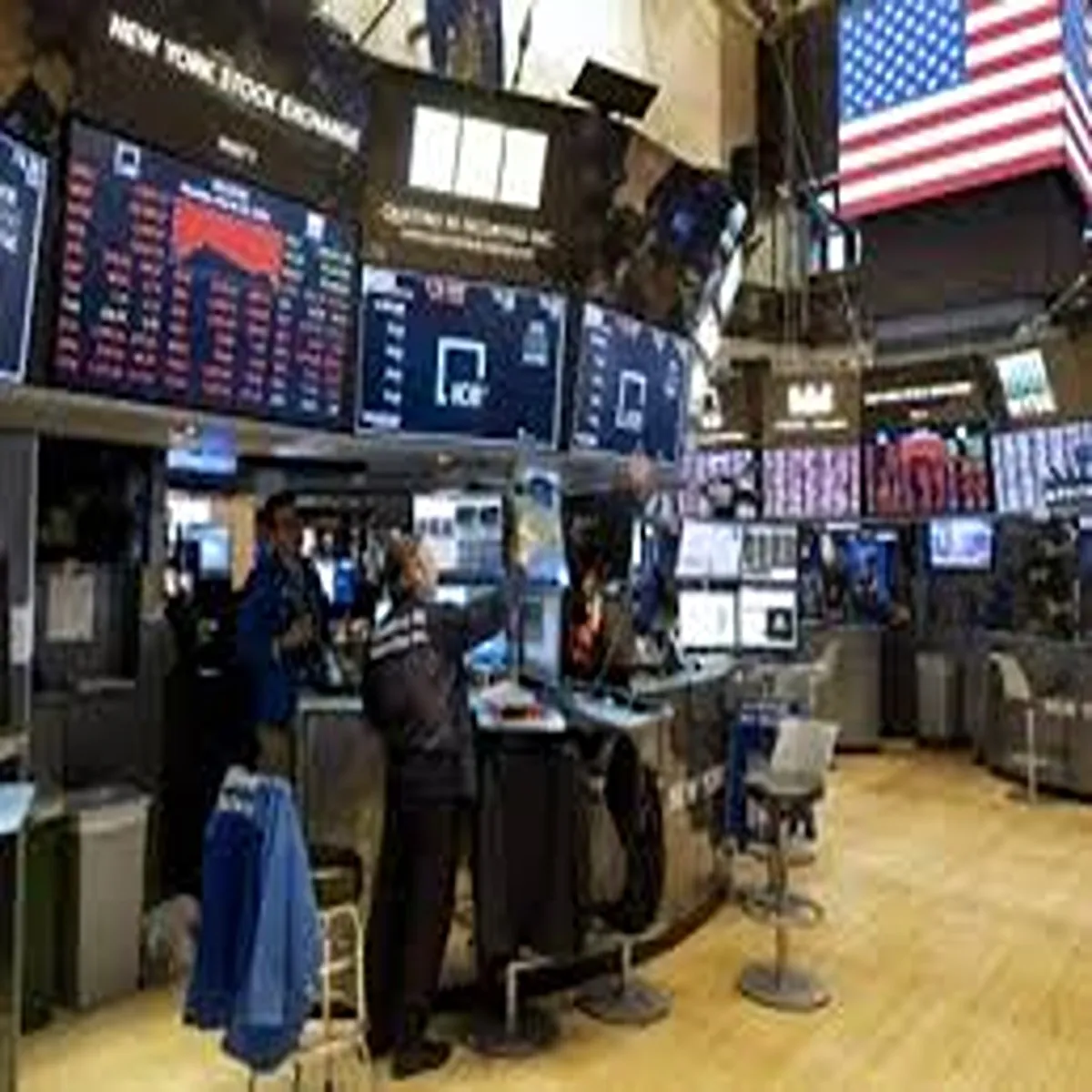
Wall Street- The U.S. stock market advanced this week after fresh inflation data showed price pressures continuing to ease, reinforcing expectations that the Federal Reserve may begin cutting interest rates later this year. Investors responded positively to the latest Consumer Price Index (CPI) report, which indicated a steady decline in headline inflation on a year-over-year basis, while core inflation showed gradual moderation. The data helped major indexes extend recent gains, reflecting growing confidence that the economy is slowing at a manageable pace rather than tipping into recession.
Inflation Data Strengthens Soft-Landing Narrative
According to the latest figures released by the U.S. Bureau of Labor Statistics, annual inflation continued its downward trajectory compared to last year’s peak levels. While month-to-month readings remain uneven, economists noted that shelter and services inflation—two persistent components—have begun to stabilize.
Market analysts say the cooling trend supports the widely discussed “soft landing” scenario, where inflation falls without triggering a sharp rise in unemployment. For American households, easing inflation offers relief from elevated prices in housing, groceries, and energy, though costs remain higher than pre-pandemic levels.
Treasury yields dipped modestly after the report, reflecting expectations that the Federal Reserve may hold rates steady in upcoming meetings before considering rate cuts if inflation continues trending lower.
Federal Reserve Maintains Data-Driven Approach
The Federal Reserve has emphasized that any decision on interest rates will depend on incoming economic data. Policymakers have kept the benchmark federal funds rate at multi-decade highs in an effort to bring inflation back toward the 2% target.
Recent comments from Fed officials indicate a cautious stance. While progress on inflation is encouraging, central bankers remain wary of cutting rates too soon, which could risk reigniting price pressures. At the same time, they acknowledge signs of slowing consumer demand and moderating job growth.
Investors are closely watching upcoming labor market reports and Personal Consumption Expenditures (PCE) data, the Fed’s preferred inflation gauge, for further signals on policy direction.
Major Indexes Extend Gains
The rally has lifted key benchmarks, including the S&P 500 and the Nasdaq Composite, both of which have posted year-to-date gains. Technology stocks continue to lead performance, supported by strong earnings and sustained interest in artificial intelligence and cloud computing sectors.
Meanwhile, the Dow Jones Industrial Average has shown steady growth, buoyed by resilience in industrial and financial shares.
Market strategists note that investor sentiment has improved significantly compared to the volatility seen during peak inflation periods. However, they caution that valuations in certain sectors remain elevated, leaving little room for earnings disappointments.
Corporate Earnings Offer Mixed Signals
Corporate earnings season has delivered generally solid results, though not without pockets of weakness. Large-cap technology firms have reported stable revenue growth, while consumer-facing companies have highlighted more cautious spending patterns among middle-income households.
Retail sales data show Americans are still spending, but at a slower pace than in previous quarters. Credit card balances remain elevated, and delinquency rates have inched higher, suggesting some financial strain among borrowers.
Energy companies, meanwhile, have experienced earnings fluctuations tied to global oil price movements. Analysts are watching geopolitical developments and OPEC production decisions for potential impacts on crude markets.
Housing Market Faces High-Rate Headwinds
The U.S. housing market continues to grapple with elevated mortgage rates. Although rates have eased slightly from recent highs, affordability challenges persist for first-time buyers.
Home prices remain relatively stable in many metropolitan areas due to limited inventory. However, transaction volumes have slowed, reflecting hesitation among buyers and sellers alike. Industry experts suggest that a sustained decline in interest rates could reinvigorate housing demand later in the year.
For homeowners considering refinancing, rate expectations remain a critical factor. Mortgage lenders report a modest uptick in refinancing applications when rates dip, but activity remains below historical averages.
Labor Market Shows Signs of Gradual Cooling
The labor market remains a cornerstone of economic strength, but recent data point to gradual cooling. Job creation has slowed compared to earlier post-pandemic surges, and wage growth has moderated.
Unemployment remains historically low, supporting consumer spending and economic stability. However, economists emphasize that continued moderation is necessary to keep inflation pressures contained.
Small businesses report tighter profit margins due to higher borrowing costs, though hiring plans remain relatively stable in service-oriented sectors.
What U.S. Investors Should Watch Next
As markets navigate shifting economic signals, several key indicators will shape the outlook:
- Upcoming CPI and PCE inflation reports
- Federal Reserve policy meetings and rate projections
- Quarterly corporate earnings guidance
- Consumer confidence and retail sales trends
- Geopolitical developments affecting energy prices
Financial advisors recommend diversified portfolios and long-term investment strategies, especially amid fluctuating rate expectations. While short-term volatility is likely, the broader market outlook appears more stable than during last year’s peak inflation cycle.
Outlook: Stability with Measured Optimism
The combination of moderating inflation, resilient employment, and steady corporate earnings has provided a foundation for cautious optimism across Wall Street. While risks remain—including global uncertainty and potential policy missteps—the current economic landscape suggests the U.S. economy is navigating a complex transition with relative stability.
For American investors, the focus remains on disciplined portfolio management, close attention to Federal Reserve guidance, and awareness of macroeconomic trends that could reshape financial markets in the months ahead.