
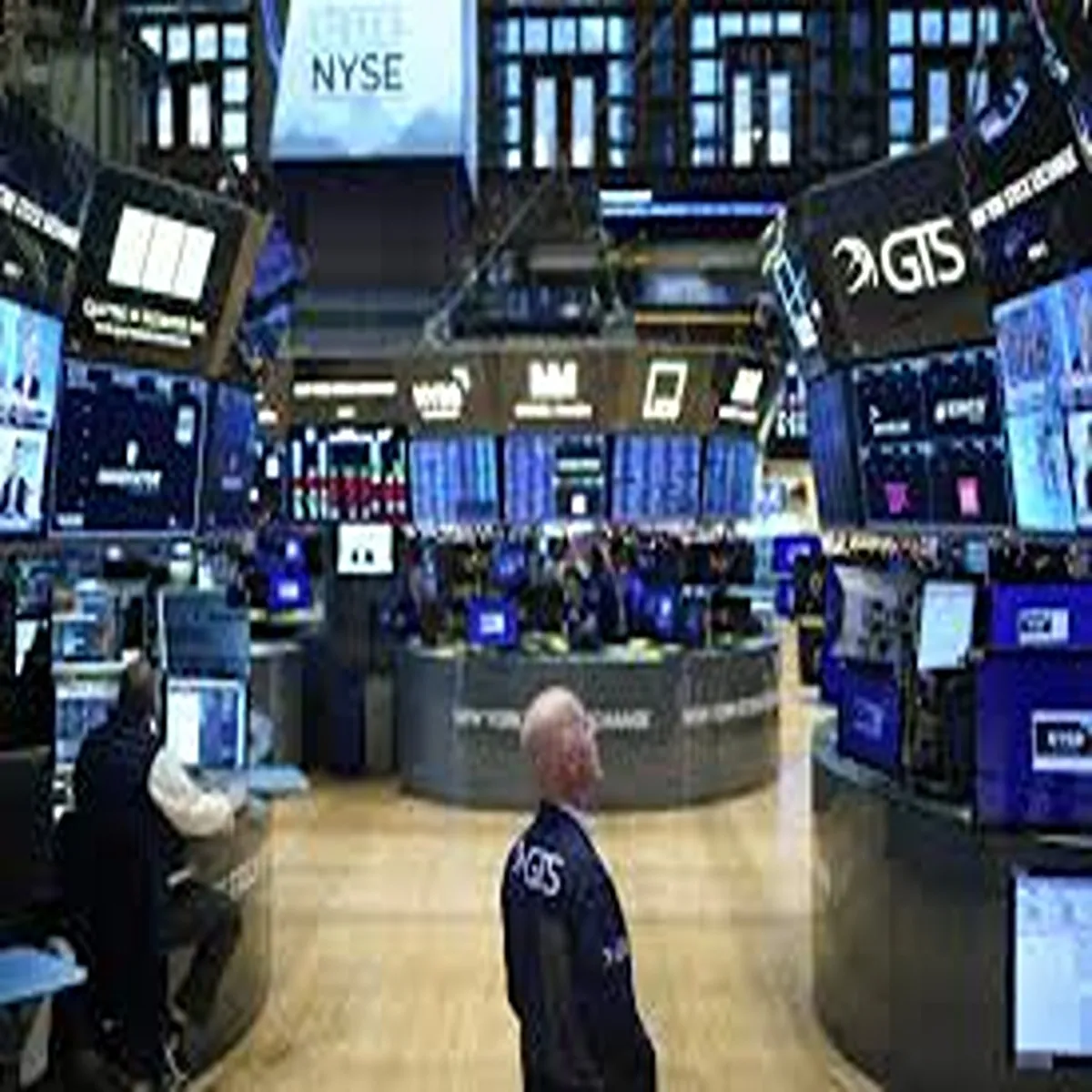
Wall Street- The U.S. stock market extended its upward momentum this week as investors digested a fresh batch of corporate earnings and closely parsed signals from the Federal Reserve on the path of interest rates. Major indexes posted gains amid steady economic data, reinforcing optimism that the economy may avoid a sharp slowdown even as borrowing costs remain elevated. The latest moves come at a time when retail participation, AI-driven growth themes, and expectations around monetary policy continue to shape market sentiment across Wall Street.
Dow, S&P 500, and Nasdaq Post Broad Gains
S&P 500, Dow Jones Industrial Average, and Nasdaq Composite all moved higher in recent sessions, reflecting strength across multiple sectors rather than a narrow rally. Technology and communication services stocks led the advance, while select industrial and consumer discretionary names also contributed to gains.
Market breadth has improved compared with earlier in the year, when performance was concentrated in a handful of mega-cap technology companies. Analysts say broader participation often signals a healthier market structure, particularly as investors rotate into cyclical sectors tied to economic resilience.
Federal Reserve Policy Remains in Focus
The outlook for interest rates continues to be the single most important driver for U.S. equities. The Federal Reserve has kept its benchmark rate elevated to contain inflation, but recent data showing moderating price pressures has strengthened expectations that policymakers may shift toward rate cuts later in the year.
Federal Reserve officials have emphasized that future decisions will depend on incoming economic data, especially inflation and labor market trends. Treasury yields have fluctuated in response to these signals, directly influencing equity valuations—particularly for growth stocks that are sensitive to borrowing costs.
Investors are closely watching upcoming Consumer Price Index (CPI) and jobs reports, as even small deviations from expectations can trigger significant moves in both bond and stock markets.
Corporate Earnings Deliver Mixed but Encouraging Signals
Earnings season has provided another key catalyst. Several large-cap companies reported results that either met or exceeded Wall Street expectations, reinforcing confidence in corporate profitability despite higher financing costs.
Apple Inc. and Microsoft Corporation highlighted sustained demand for cloud services and consumer devices, while NVIDIA Corporation continued to benefit from strong investment in artificial intelligence infrastructure.
However, not all sectors have moved in lockstep. Some consumer-facing businesses signaled softer discretionary spending, reflecting pressure from elevated credit card rates and tighter household budgets. Analysts note that while aggregate earnings growth remains positive, forward guidance will be critical in determining whether the rally can extend.
AI and Tech Stocks Continue to Drive Market Momentum
Artificial intelligence remains one of the most powerful themes in the U.S. equity market. Companies tied to data centers, semiconductor manufacturing, and cloud computing have seen sustained investor interest. Capital expenditure plans across the tech sector suggest that spending on AI infrastructure is likely to remain robust through 2026.
At the same time, valuation concerns are resurfacing. Price-to-earnings ratios for some high-growth stocks have expanded significantly, prompting portfolio managers to rebalance holdings. Financial advisers caution that while long-term innovation trends are compelling, diversification remains essential to manage volatility.
Economic Data Points to Resilience
Recent macroeconomic indicators have reinforced a cautiously optimistic outlook. GDP growth has remained positive, unemployment rates are near historical lows, and consumer spending has shown resilience despite tighter financial conditions.
Housing activity, however, remains sensitive to mortgage rates, which have hovered near multi-year highs. Meanwhile, manufacturing surveys show pockets of contraction, reflecting global demand uncertainties and supply chain adjustments.
Taken together, the data suggests a slowing—but not collapsing—economy. This “soft landing” narrative has supported risk appetite among equity investors, though it remains contingent on inflation continuing its downward trend.
Retail Investors and ETF Flows Show Strong Participation
Retail participation in the stock market has remained elevated, aided by commission-free trading platforms and widespread access to ETFs. Inflows into broad-based index funds tracking benchmarks like the S&P 500 have continued, underscoring long-term investment confidence.
Exchange-traded funds focused on technology and dividend-paying stocks have also attracted attention, particularly from income-focused investors seeking alternatives to traditional savings products.
Market strategists note that sustained ETF inflows can help dampen volatility during pullbacks, as systematic investments provide steady demand for equities.
Risks That Could Shift Market Direction
Despite the recent rally, several risks remain on investors’ radar. Geopolitical tensions, unexpected inflation spikes, or a sharper-than-expected slowdown in consumer spending could quickly alter sentiment. Additionally, any shift in Federal Reserve communication toward prolonged higher rates could pressure equity valuations.
Volatility indexes remain relatively subdued compared to historical averages, but analysts caution that complacency can reverse quickly during periods of macro uncertainty.
Outlook: What Investors Are Watching Next
Looking ahead, traders will focus on upcoming inflation data, Federal Reserve commentary, and the next wave of corporate earnings. Market participants are also monitoring fiscal policy debates in Washington, as government spending decisions can influence both growth projections and Treasury yields.
For long-term investors, the current environment highlights the importance of disciplined asset allocation and risk management. While short-term swings are inevitable, diversified portfolios historically have weathered economic cycles more effectively than concentrated bets.
As Wall Street navigates the intersection of monetary policy, technological innovation, and evolving consumer behavior, the U.S. stock market remains at the center of global financial attention. Whether the rally sustains will depend not only on earnings growth but also on how effectively inflation continues to moderate without undermining economic expansion.