
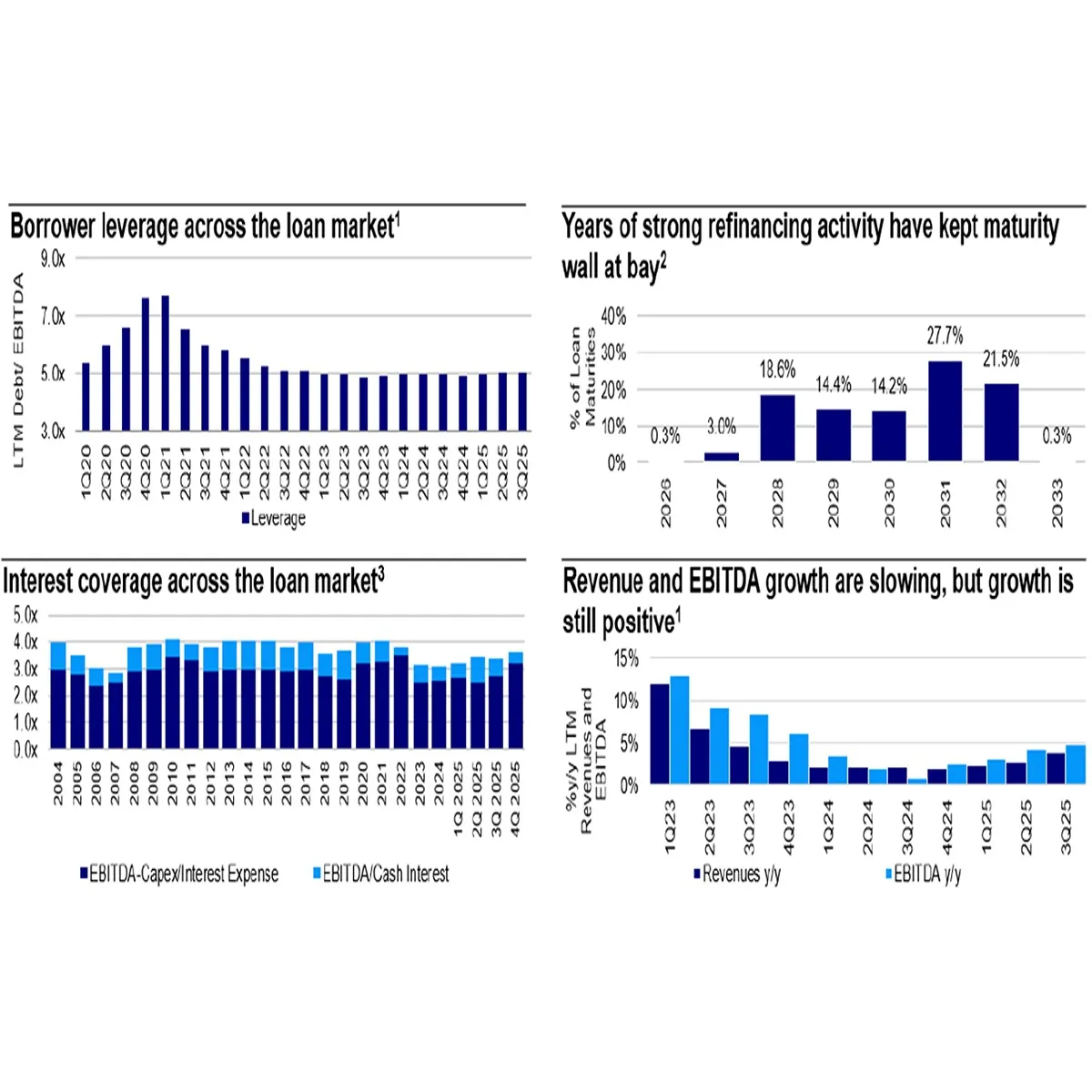
US Loan- The US loan market is entering the second half of 2026 with a mix of cautious optimism and ongoing challenges, as consumers and businesses continue adjusting to elevated borrowing costs. While interest rates remain significantly higher than the ultra-low levels seen during the pandemic era, recent lending data suggests that demand for credit remains steady across several sectors, including personal loans, auto financing, and small business lending.
Financial institutions across the United States are closely monitoring borrower behavior as households balance rising living expenses with long-term financial goals. Analysts say the current lending environment reflects a broader economic transition, where consumers are becoming more selective about taking on new debt while lenders maintain stricter underwriting standards.
Personal Loan Demand Remains Strong Despite Elevated Borrowing Costs
One of the most notable trends in the US credit market is the continued demand for personal loans. Consumers are increasingly using these loans for debt consolidation, home improvements, emergency expenses, and large purchases.
Industry data indicates that many borrowers are seeking fixed-rate lending products to gain greater predictability in monthly payments. This trend has become particularly important as credit card interest rates remain near historic highs, encouraging some consumers to replace revolving debt with installment-based borrowing options.
Lenders report that applicants with strong credit profiles continue to receive favorable loan offers, while borrowers with lower credit scores may face higher rates or more stringent approval requirements.
Auto Loan Market Faces New Pressures
The auto loan sector continues to experience shifting dynamics. Vehicle prices have moderated compared with peak pandemic levels, but financing costs remain a significant factor for buyers.
Many consumers are extending loan terms to reduce monthly payments, a trend that has gained momentum as interest rates remain elevated. Financial experts warn that longer repayment periods can lower monthly costs but may increase the total amount paid over the life of a loan.
Automakers and finance companies are responding by introducing promotional financing programs designed to attract buyers in an increasingly competitive market.
Mortgage Lending Shows Signs of Stabilization
The housing finance market remains one of the most closely watched segments of the US lending industry. Mortgage activity has shown signs of stabilization as homebuyers adapt to current rate levels.
While refinancing volumes remain below the peaks recorded during the low-rate era, purchase mortgage applications have demonstrated resilience in several regions. Housing inventory challenges continue to influence affordability, but some analysts believe that gradual improvements in supply could support future lending activity.
First-time homebuyers remain a key focus for lenders, many of whom are expanding educational resources and assistance programs aimed at helping consumers navigate the mortgage process.
Small Businesses Continue Seeking Growth Capital
Access to capital remains a critical issue for small businesses across the United States. Many entrepreneurs are pursuing loans to support expansion plans, equipment purchases, inventory management, and workforce development.
Community banks and regional lenders continue to play an important role in serving local businesses. At the same time, digital lending platforms are expanding their presence by offering streamlined application processes and faster funding decisions.
Business owners are increasingly comparing loan products based not only on interest rates but also on repayment flexibility, funding speed, and overall borrowing costs.
Credit Quality Remains a Key Focus for Lenders
As economic conditions evolve, lenders are paying close attention to credit quality indicators. Delinquency rates in some consumer lending categories have risen modestly compared with pre-pandemic lows, prompting financial institutions to maintain disciplined risk management practices.
Banks and credit unions are using advanced analytics and updated underwriting models to assess borrower risk more accurately. These efforts are intended to balance responsible lending with continued access to credit for qualified applicants.
Financial experts note that consumers who maintain strong payment histories, lower debt-to-income ratios, and healthy credit scores are generally better positioned to secure competitive loan terms.
Technology Continues Transforming the Lending Experience
Digital innovation remains a major force shaping the US loan market. Online applications, automated approvals, electronic document verification, and artificial intelligence-driven risk assessment tools are becoming standard features across the lending industry.
These technologies are helping lenders improve efficiency while providing borrowers with faster decisions and a more convenient application experience. Mobile-first lending platforms, in particular, continue gaining popularity among younger consumers who prefer digital financial services.
Industry leaders expect technology investments to remain a priority as lenders compete for customers in an increasingly digital marketplace.
Outlook for the US Loan Market
Looking ahead, economists expect loan demand to remain closely tied to broader economic conditions, including inflation trends, labor market performance, and future monetary policy decisions. Borrowers are likely to remain cautious, but the need for financing across housing, transportation, education, and business investment sectors continues to support lending activity.
The overall outlook suggests a more balanced credit environment compared with the rapid growth periods of previous years. While higher borrowing costs remain a challenge, stable employment conditions and ongoing consumer demand are expected to provide support for the US loan market throughout 2026.
For borrowers, financial advisors continue emphasizing the importance of comparing loan offers, reviewing total borrowing costs, and maintaining healthy credit habits before taking on new debt. As lenders adapt to changing market conditions, transparency and responsible borrowing are expected to remain central themes across the industry.