
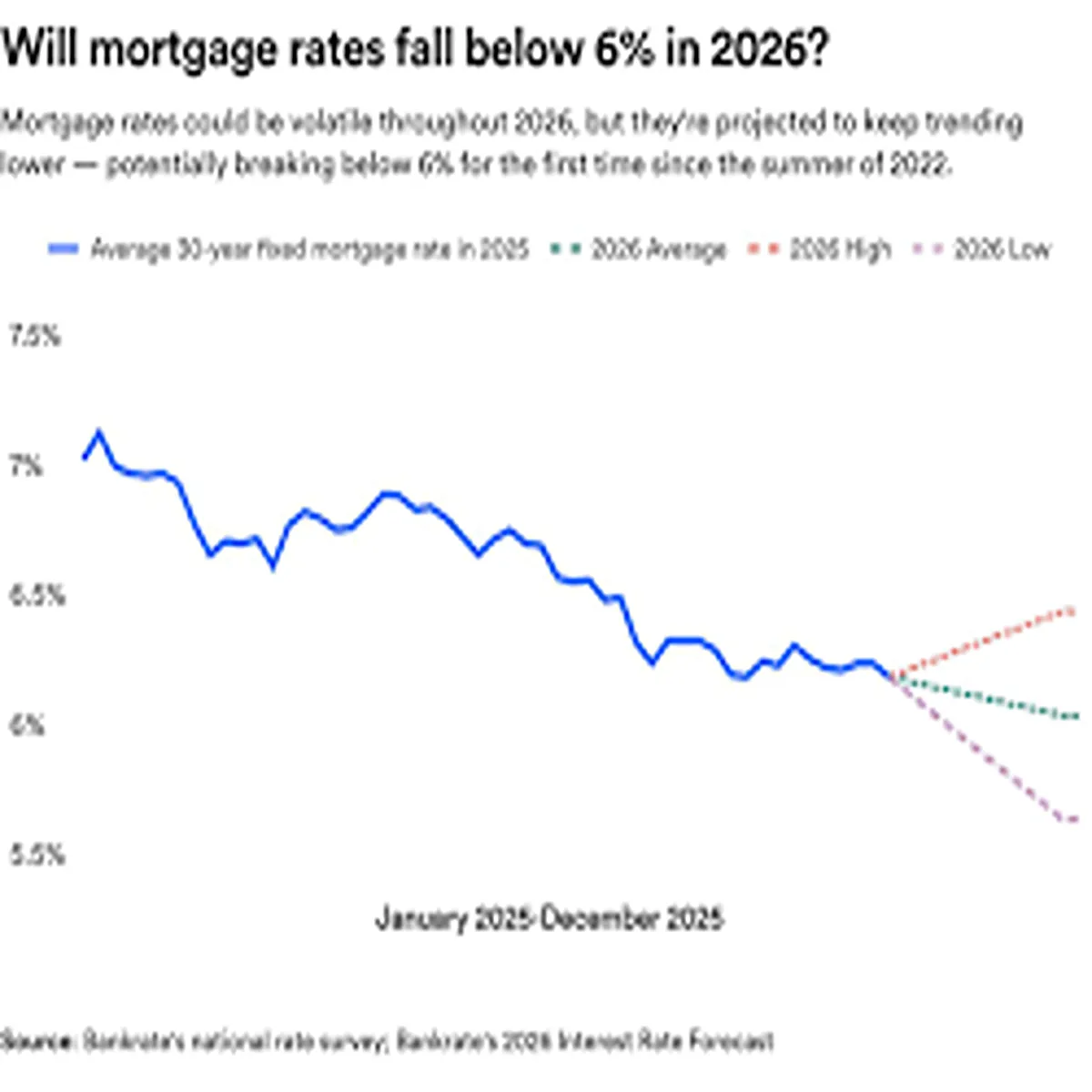
US Loan Market- The U.S. loan market is entering a transitional phase in 2026, marked by moderating interest rates, renewed consumer demand, and cautious optimism among lenders. After two years of aggressive rate hikes by the Federal Reserve to combat inflation, recent signals suggest a more stable borrowing environment—bringing both opportunities and risks for American households and businesses.
Interest Rate Trends Signal a Turning Point
One of the most significant developments shaping the loan landscape is the gradual stabilization of interest rates. While rates remain higher than pre-2022 levels, recent policy pauses have created a more predictable lending environment.
Mortgage rates, which had surged past 7% in 2023, are now showing signs of easing, hovering closer to the mid-6% range in early 2026. Similarly, auto loans and personal loan rates have begun to plateau, offering some relief to borrowers who had delayed major financial decisions.
For lenders, this shift is prompting a recalibration of risk models. Banks and credit unions are becoming more competitive again, especially in prime lending categories.
Consumer Loan Demand Rebounds Across Key Segments
After a slowdown in borrowing activity during peak inflation, consumer demand for loans is rebounding. Data from recent quarters shows increased applications for:
- Home mortgages
- Auto loans
- Personal loans for debt consolidation
This resurgence is largely driven by improved consumer confidence and a stabilizing labor market. With unemployment remaining relatively low, many Americans feel more secure taking on new financial commitments.
However, affordability remains a concern. Even with slightly lower rates, higher home prices and elevated cost of living continue to challenge borrowers—especially first-time homebuyers.
Credit Standards Remain Tight Despite Competition
Despite rising demand, lenders are not loosening standards significantly. Credit score requirements remain relatively strict, particularly for unsecured personal loans.
Banks are also paying closer attention to debt-to-income ratios, especially as household debt in the U.S. continues to climb. According to recent financial reports, total consumer debt has surpassed $17 trillion, raising concerns about long-term repayment capacity.
This cautious approach reflects lessons learned during previous economic cycles, where rapid credit expansion led to increased default risks.
Digital Lending Platforms Gain Market Share
Another defining trend in the U.S. loan market is the rapid growth of digital lending platforms. Fintech companies are increasingly capturing market share by offering:
- Faster approval processes
- Simplified online applications
- AI-driven credit assessments
These platforms are particularly appealing to younger borrowers who prefer digital-first experiences. In many cases, approvals can be completed within minutes, compared to days with traditional banks.
However, regulators are keeping a close watch on this segment to ensure transparency, fair lending practices, and data security compliance.
Student Loan Landscape Continues to Evolve
Student loans remain a major component of the U.S. lending ecosystem. Following recent policy changes and repayment plan adjustments, millions of borrowers are navigating new repayment structures.
Income-driven repayment plans and partial forgiveness programs have provided some relief, but confusion remains around eligibility and long-term impacts. Financial advisors continue to emphasize the importance of understanding repayment terms and avoiding default, which can significantly affect credit scores.
Small Business Lending Shows Gradual Recovery
Small business lending is also gaining momentum after a period of contraction. As economic conditions stabilize, more small enterprises are seeking capital for expansion, hiring, and inventory management.
Government-backed loan programs, including those supported by the Small Business Administration (SBA), are playing a key role in facilitating access to credit. These programs offer lower interest rates and flexible repayment terms, making them attractive options for entrepreneurs.
Still, approval rates remain selective, with lenders prioritizing businesses that demonstrate strong cash flow and resilience.
Risks and Opportunities Ahead for Borrowers
While the outlook for loans in 2026 appears more balanced, experts caution that risks remain. Key concerns include:
- Potential economic slowdown
- Persistent inflation pressures
- Rising delinquency rates in certain loan categories
At the same time, borrowers who maintain strong credit profiles may benefit from increased lender competition and more favorable terms.
Financial planners recommend that consumers carefully evaluate loan options, compare offers, and avoid overleveraging—especially in a still-evolving economic environment.
What It Means for the Average American Borrower
For everyday Americans, the current loan environment presents a mixed picture. On one hand, improved rate stability and lender competition create opportunities to secure financing. On the other, high living costs and stricter credit checks require more disciplined financial planning.
Borrowers are encouraged to:
- Monitor their credit scores regularly
- Shop around for the best loan terms
- Consider fixed vs. variable rate options carefully
As the U.S. economy continues to adjust, the loan market will remain a critical indicator of financial health and consumer confidence.