
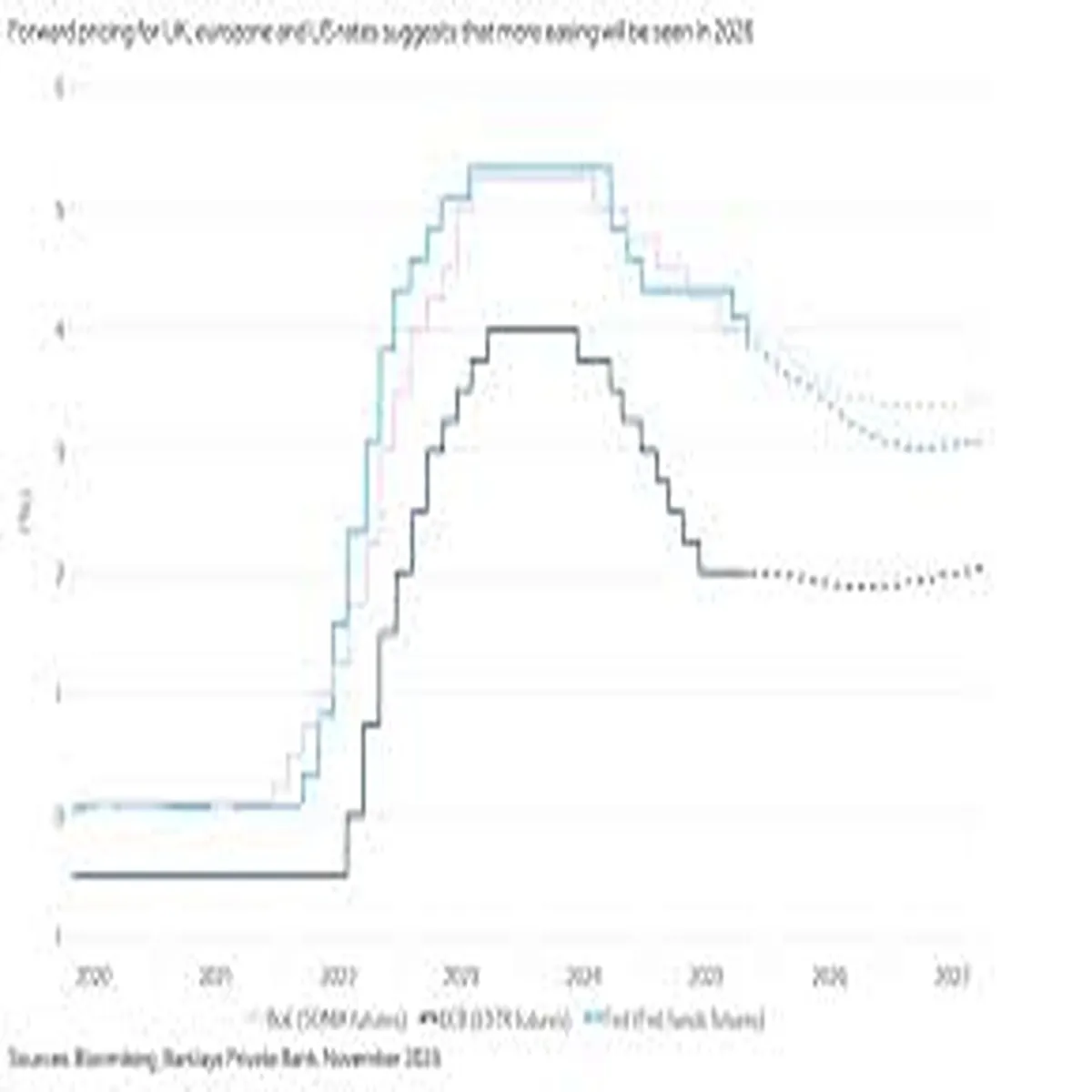
U.S. Loan Market- The U.S. loan market is entering a transitional phase in 2026, as interest rates begin to stabilize after a prolonged period of aggressive tightening by the Federal Reserve. Consumers and businesses alike are adjusting their borrowing strategies, while lenders are refining risk models amid changing economic signals. Recent data indicates a mixed but cautiously optimistic outlook across personal loans, mortgages, and small business financing.
Interest Rate Trends Are Reshaping Borrowing Behavior
After peaking in previous years, interest rates have started to level off, giving borrowers a clearer picture of long-term costs. While rates remain higher than pre-pandemic lows, the reduced volatility is encouraging more Americans to re-enter the loan market.
Mortgage rates, for instance, are hovering in a relatively stable range, prompting some homebuyers who had previously delayed purchases to reconsider. Similarly, personal loan demand is gradually rising, particularly among consumers seeking to consolidate high-interest credit card debt.
Financial analysts note that predictability—more than low rates—is currently driving borrowing decisions. This shift reflects a more cautious consumer mindset shaped by inflationary pressures and tighter household budgets.
Personal Loans Gain Momentum Amid Debt Consolidation Needs
Rising Demand for Flexible Credit Solutions
Personal loans have emerged as a key segment in the current lending environment. With credit card interest rates still elevated, many consumers are turning to fixed-rate personal loans as a more manageable alternative.
Lenders are responding by expanding digital loan offerings, streamlining approval processes, and enhancing credit scoring models. Fintech platforms, in particular, are gaining traction by offering faster approvals and more transparent terms.
However, credit standards remain relatively strict. Borrowers with strong credit profiles are securing the best rates, while those with lower scores may face higher costs or limited options.
Mortgage Market Shows Signs of Gradual Recovery
Housing Demand Returns as Rate Volatility Eases
The U.S. housing market is showing early signs of recovery, supported by improving loan accessibility. While affordability challenges persist, especially in major metropolitan areas, stable mortgage rates are helping restore buyer confidence.
Refinancing activity, which had slowed significantly, is also beginning to pick up. Homeowners who secured higher rates in recent years are exploring refinancing opportunities as conditions improve.
Lenders, meanwhile, are cautiously expanding loan approvals, balancing growth ambitions with risk management concerns tied to economic uncertainty.
Small Business Lending Faces Both Opportunities and Constraints
Credit Access Improves, But Caution Remains
Small business owners are increasingly seeking loans to support expansion, inventory management, and operational stability. Banks and alternative lenders are gradually easing lending conditions, but approval processes remain rigorous.
Government-backed loan programs continue to play a crucial role, particularly for startups and underserved businesses. These programs are helping bridge the gap where traditional lending criteria may be restrictive.
At the same time, higher borrowing costs are prompting businesses to carefully evaluate return on investment before taking on new debt.
Digital Lending Platforms Continue to Disrupt Traditional Models
Technology Drives Efficiency and Accessibility
Digital transformation is accelerating across the loan industry. Online lenders and fintech companies are leveraging artificial intelligence and data analytics to improve underwriting accuracy and reduce processing times.
Consumers are increasingly favoring platforms that offer quick approvals, minimal paperwork, and user-friendly interfaces. This trend is pushing traditional banks to invest more heavily in digital infrastructure.
Despite these advancements, regulatory scrutiny is intensifying, particularly around data privacy and fair lending practices. Ensuring compliance while maintaining innovation remains a key challenge for the industry.
Credit Quality and Delinquency Rates Under Close Watch
Early Warning Signs Emerge in Certain Segments
While overall loan performance remains stable, there are early indications of rising delinquencies in specific categories, particularly among subprime borrowers. Analysts are closely monitoring these trends as potential indicators of broader financial stress.
Lenders are responding by tightening risk assessments and increasing provisions for potential losses. At the same time, consumer education around responsible borrowing is gaining renewed emphasis.
Outlook: A Balanced but Cautious Lending Environment
The U.S. loan market in 2026 reflects a delicate balance between opportunity and risk. Stabilizing interest rates are creating a more predictable environment, encouraging both consumers and businesses to re-engage with borrowing.
However, economic uncertainties—including inflation trends, labor market shifts, and global financial conditions—continue to influence lending dynamics. Both borrowers and lenders are proceeding with measured optimism.
As the year progresses, the focus will likely remain on maintaining credit quality, improving access to responsible lending, and leveraging technology to meet evolving market demands.