
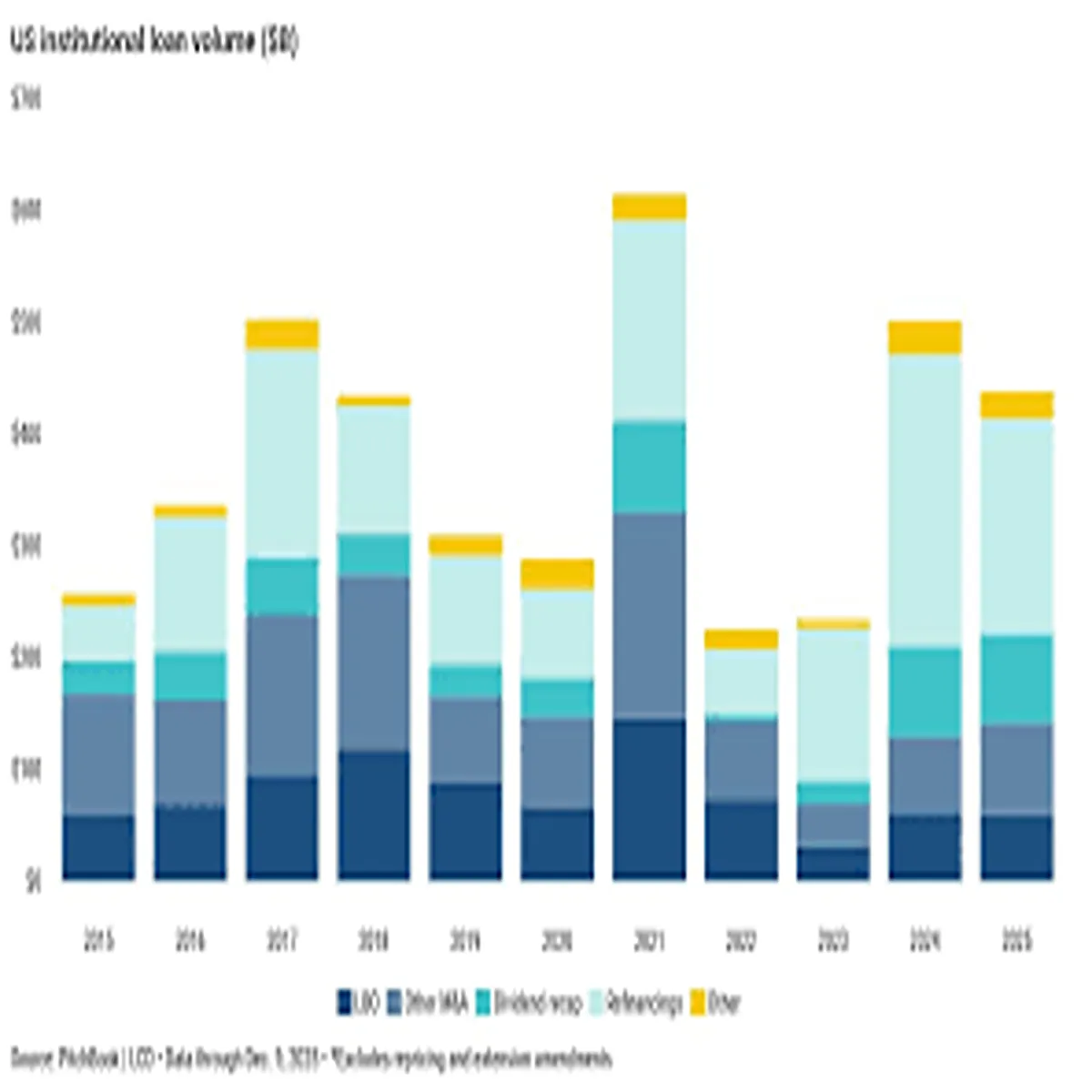
U.S. Loan Market- The U.S. loan market is undergoing a significant transition in 2026, as persistently high interest rates continue to shape borrowing behavior across consumers and businesses. From mortgages and auto loans to personal credit and small business financing, borrowers are facing tighter conditions, while lenders adjust strategies to balance risk and demand. Recent data from federal agencies and financial institutions suggest that while lending activity remains steady, affordability concerns and credit scrutiny are influencing how Americans approach debt.
Rising Interest Rates Continue to Reshape Borrowing Trends
Interest rates remain the defining factor in today’s loan environment. After a series of rate hikes by the Federal Reserve over the past two years, borrowing costs are still hovering near multi-year highs. As of early 2026, average rates for 30-year fixed mortgages remain above 6.5%, while personal loan rates often exceed 10% depending on credit profiles.
This elevated rate environment has cooled demand in some segments, particularly housing. Mortgage applications have slowed compared to pre-2022 levels, with many potential homebuyers delaying purchases or opting for smaller properties. At the same time, refinancing activity has sharply declined, as fewer borrowers benefit from replacing older loans with new ones at higher rates.
Consumer Debt Reaches New ighs Amid Economic Pressures
Despite higher borrowing costs, total consumer debt in the United States has reached record levels. Credit card balances, auto loans, and student debt continue to climb, reflecting both inflationary pressures and sustained consumer spending.
Credit card debt, in particular, has seen notable growth. With average interest rates on credit cards exceeding 20%, many households are carrying more expensive debt than in previous years. Financial analysts point to rising living costs, including housing, healthcare, and groceries, as key drivers behind increased reliance on credit.
However, delinquency rates are also inching upward, especially among younger borrowers and subprime credit segments. While still below crisis levels, this trend is being closely monitored by lenders and regulators.
Auto Loans and Buy-Now-Pay-Later Gain Momentum
Auto loans remain a strong component of the lending market, even as vehicle prices stay elevated. Many buyers are opting for longer loan terms—often 72 months or more—to manage monthly payments. This trend, while improving short-term affordability, can increase total interest paid over the life of the loan.
In parallel, Buy-Now-Pay-Later (BNPL) services continue to expand rapidly. These short-term installment loans, often offered at zero or low interest, have gained popularity among younger consumers. Retailers are increasingly integrating BNPL options at checkout, making them a common alternative to traditional credit cards.
Regulators, however, are paying closer attention to this segment. Concerns about transparency, consumer protection, and potential overextension of credit have prompted discussions around stricter oversight.
Small Business Lending Faces Outlook
For small businesses, access to credit remains uneven. While some sectors—particularly technology and services—continue to secure financing, others face tighter lending standards. Banks are applying stricter credit evaluations, citing economic uncertainty and higher default risks.
At the same time, alternative lenders and fintech platforms are filling some of the gaps. These digital-first lenders often provide faster approvals and more flexible terms, though sometimes at higher interest rates.
Government-backed loan programs, including those supported by the Small Business Administration (SBA), remain a critical lifeline for many entrepreneurs. These programs offer relatively favorable terms, helping businesses navigate cash flow challenges and expansion plans.
Student Loan Landscape Adjusts After Policy Changes
The student loan sector is also evolving following recent policy adjustments. After the end of pandemic-era payment pauses, millions of borrowers have resumed repayments, impacting household budgets nationwide.
New income-driven repayment plans and forgiveness initiatives are helping some borrowers manage their debt more effectively. However, concerns remain about long-term sustainability and the broader economic impact of student loan obligations.
Private student loans, meanwhile, are seeing increased interest as borrowers look for alternatives to federal programs. These loans often come with variable rates, adding another layer of complexity in a high-rate environment.
Lenders Tighten Standards While Exploring Innovation
Financial institutions are becoming more cautious in their lending practices. Credit score requirements have risen in many categories, and approval processes have become more rigorous. Lenders are prioritizing risk management, particularly as economic uncertainties persist.
At the same time, innovation continues to reshape the industry. Artificial intelligence and data analytics are playing a growing role in credit assessment, enabling lenders to evaluate borrowers more efficiently. Digital lending platforms are also improving user experience, offering faster approvals and streamlined applications.
Outlook: Stability with Cautious Optimism
Looking ahead, the U.S. loan market is expected to remain stable but cautious. Much will depend on the trajectory of interest rates and broader economic conditions, including inflation and employment trends.
If inflation continues to ease, there may be room for gradual rate cuts, which could revive borrowing demand. However, uncertainties in global markets and domestic economic indicators suggest that lenders and borrowers alike will proceed carefully.
For consumers, the current environment underscores the importance of financial planning and credit management. For lenders, balancing growth with risk will remain the central challenge in a rapidly evolving financial landscape.