
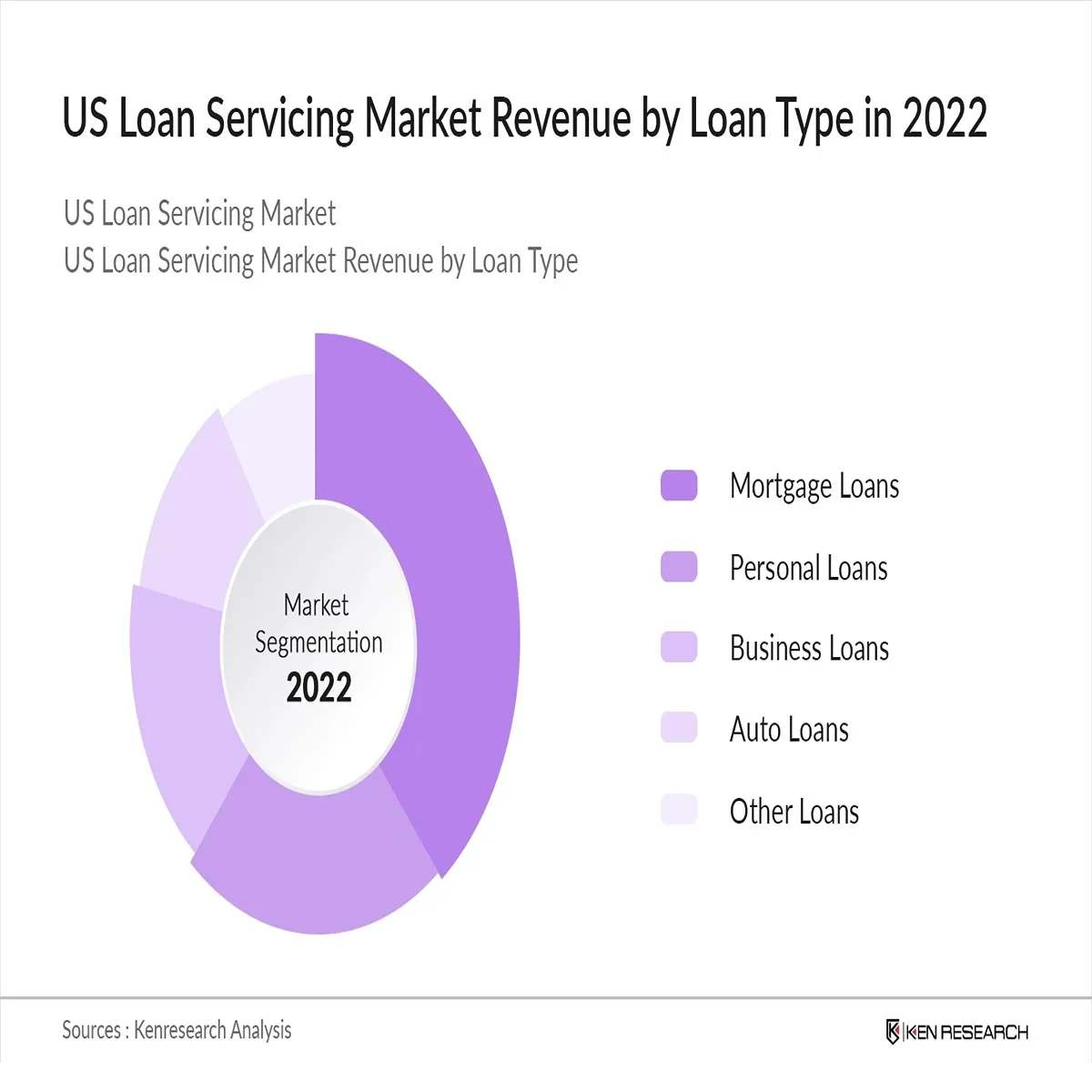
US Loan- The U.S. loan market is undergoing another period of adjustment as consumers, businesses, and lenders respond to elevated borrowing costs, changing economic conditions, and evolving credit standards. While loan demand remains resilient across several sectors, higher interest rates continue to influence borrowing decisions, refinancing activity, and overall credit growth throughout 2026.
According to recent industry data and lender reports, Americans are increasingly focused on affordability when seeking mortgages, personal loans, auto financing, and small-business funding. Financial institutions, meanwhile, are balancing loan growth opportunities with risk management as economic uncertainty remains a key consideration.
Borrowers Continue to Adapt to a Higher-Rate Environment
For much of the past two years, U.S. borrowers have faced significantly higher interest rates compared with the ultra-low borrowing costs seen during the pandemic era. Although inflation has moderated from previous peaks, financing costs remain elevated enough to affect household budgets and long-term borrowing plans.
Many consumers are now comparing multiple lenders before taking out loans, while others are delaying major purchases until financing conditions become more favorable. Financial advisors say borrowers are paying closer attention to monthly payments rather than focusing solely on loan amounts, a trend that has become increasingly visible across the lending industry.
The shift has encouraged greater use of online loan comparison tools and credit-monitoring services, particularly among younger borrowers seeking the best available rates.
Mortgage Lending Remains a Key Focus
The housing sector continues to play a central role in the U.S. loan market. Mortgage rates remain above levels seen several years ago, creating affordability challenges for many first-time homebuyers. At the same time, limited housing inventory in many regions has kept home prices relatively firm.
Lenders report that purchase mortgage applications remain active despite affordability pressures, suggesting that demand for homeownership continues even in a higher-rate environment. Industry experts note that prospective buyers are increasingly choosing adjustable strategies such as larger down payments, longer planning horizons, and improved credit preparation before applying for home loans.
Refinancing activity has remained lower than historical averages because many homeowners already hold mortgages with substantially lower rates obtained in previous years.
Personal Loan Demand Shows Resilience
Personal loans continue to attract consumer interest as households look for ways to consolidate debt, finance major expenses, or manage unexpected costs. Market analysts say demand remains particularly strong among borrowers seeking to combine multiple high-interest credit card balances into a single structured payment.
At the same time, lenders have become more selective in underwriting decisions. Credit scores, debt-to-income ratios, employment history, and overall financial stability are receiving increased scrutiny during the approval process.
This trend reflects a broader effort by financial institutions to maintain portfolio quality while continuing to serve qualified borrowers.
Auto Loans Face Affordability Challenges
The auto financing segment is also experiencing notable changes. Higher vehicle prices and elevated borrowing costs have increased monthly payments for many consumers, leading some buyers to postpone purchases or consider used vehicles instead of new models.
Dealerships and lenders are responding with promotional financing offers where possible, but affordability remains one of the most important factors influencing buyer behavior. Industry observers expect competition among lenders to remain strong as institutions seek to capture qualified borrowers while managing credit risk.
The performance of auto loans will likely remain closely tied to employment conditions and consumer confidence throughout the remainder of the year.
Small Businesses Continue Seeking Flexible Funding
Small-business owners across the United States continue to pursue loans for expansion, inventory purchases, technology investments, and operational improvements. Access to capital remains a critical issue for entrepreneurs, particularly in sectors facing rising labor and operating costs.
Community banks, credit unions, and online lenders are playing increasingly important roles in providing financing options for businesses that may not fit traditional lending models. Experts say flexibility and speed of approval have become major competitive advantages within the small-business lending market.
Business owners are also placing greater emphasis on maintaining strong credit profiles and detailed financial records to improve financing opportunities.
Digital Lending Platforms Gain Momentum
Technology continues to reshape the loan industry as digital lenders and financial technology companies expand their presence. Online applications, automated underwriting systems, and faster approval processes have helped streamline borrowing experiences for millions of Americans.
Consumers increasingly expect transparency regarding interest rates, fees, repayment schedules, and eligibility requirements before submitting applications. As a result, lenders are investing heavily in digital tools designed to improve customer experience and increase operational efficiency.
Industry analysts believe digital lending will remain a major growth area, particularly among younger consumers who prefer mobile-first financial services.
What Borrowers Should Watch in the Months Ahead
Economic indicators, inflation trends, employment data, and future monetary policy decisions are expected to remain major drivers of loan market activity. Any changes in interest-rate expectations could influence borrowing demand across mortgages, personal loans, auto financing, and business lending.
Financial experts continue to recommend that borrowers review credit reports, compare multiple loan offers, understand total borrowing costs, and avoid taking on debt beyond their repayment capacity. These practices can help consumers make informed financial decisions regardless of market conditions.
As the U.S. lending landscape evolves, both borrowers and lenders are adapting to a market defined by higher rates, stricter credit evaluation, and increasing demand for digital financial solutions. While challenges remain, the loan sector continues to play a vital role in supporting consumer spending, homeownership, vehicle purchases, and business growth across the American economy.