
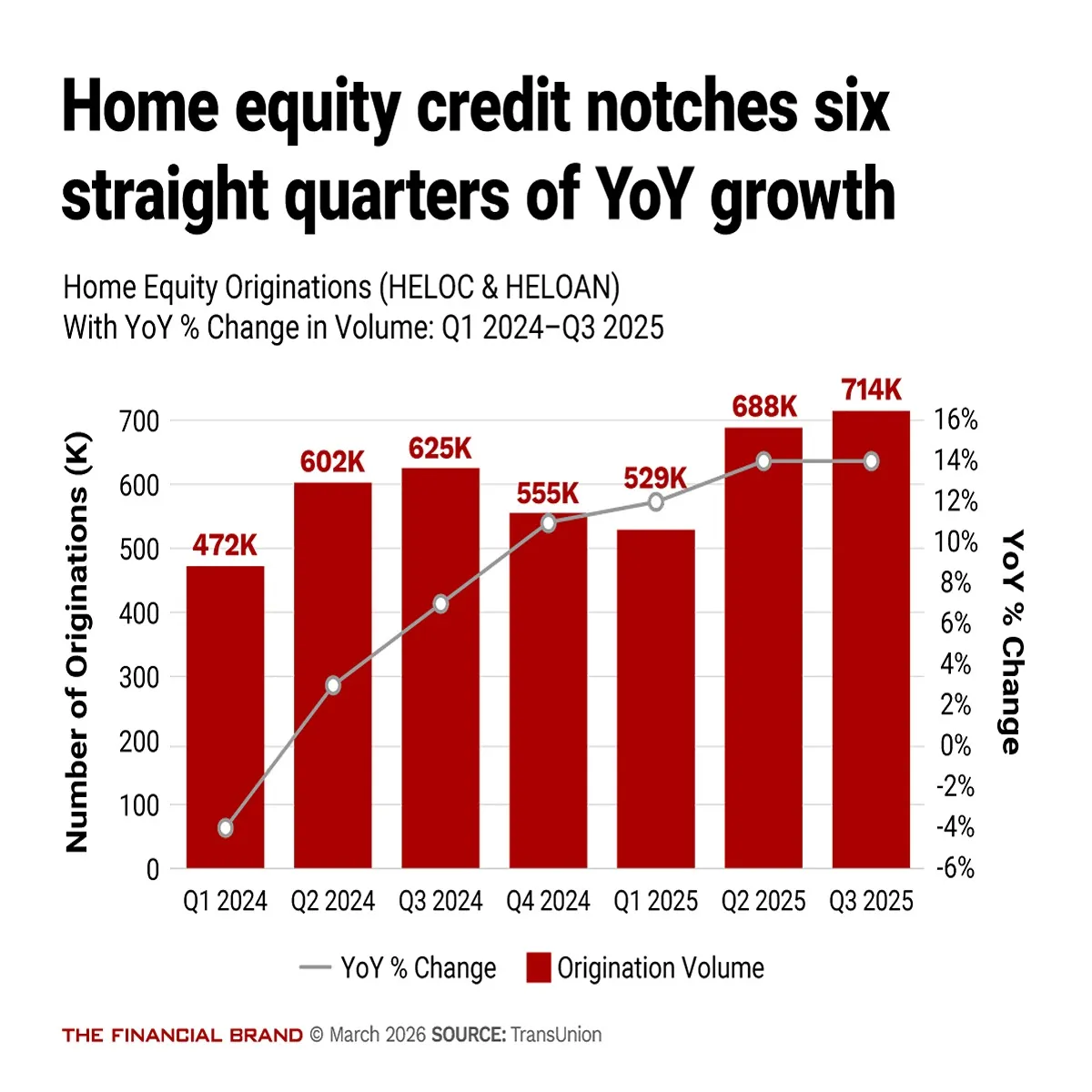
US Loan Market 2026- The US loan market is entering a new phase in 2026 as higher interest rates, tighter lending standards, and evolving consumer demand continue to reshape borrowing trends. From mortgages and auto loans to personal and student loans, American households are facing a more cautious credit environment than in recent years. While lending activity remains strong compared to historical averages, borrowers are increasingly sensitive to interest costs and approval criteria as financial institutions adjust to economic uncertainty and regulatory oversight.
A Shift in the Cost of Borrowing
Over the past two years, interest rates have remained significantly higher than the ultra-low levels seen during the pandemic era. As a result, the cost of borrowing has increased across nearly every loan category.
Mortgage rates in the United States have frequently hovered around the 6–7% range in recent months, according to industry data from major mortgage lenders. That level is more than double the average rate seen in 2021. For prospective homeowners, this change has had a direct impact on affordability.
Higher rates mean larger monthly payments for the same loan amount. A household financing a $400,000 home today may pay hundreds of dollars more per month compared with buyers who secured loans several years ago. Financial advisors say this shift is prompting many buyers to delay purchases, choose smaller homes, or increase down payments to reduce loan sizes.
Auto loans have also become more expensive. Average interest rates for new car loans have climbed above 7% for many borrowers, while used-car loans often exceed 10% depending on credit scores.
Personal Loans See Growing Demand
Despite higher interest rates, personal loans remain one of the fastest-growing segments of the lending market. Many Americans are turning to unsecured personal loans to consolidate credit card debt, which often carries even higher interest rates.
Credit card APRs in the US have reached record levels in recent years, in some cases exceeding 20%. In comparison, personal loans offered by banks and online lenders can provide lower fixed rates for borrowers with good credit profiles.
This trend has led to a surge in debt consolidation loans. Consumers facing multiple high-interest credit cards often choose a single installment loan to simplify payments and potentially lower their interest burden.
Fintech platforms and digital lenders have played a major role in this expansion. Online loan applications can often be completed within minutes, with approval decisions delivered quickly using automated credit evaluation tools.
However, financial experts warn that borrowers should carefully review terms before accepting any loan offer. Origination fees, variable rates, and repayment timelines can vary widely between lenders.
Tighter Lending Standards at Banks
While demand for loans remains steady, banks are becoming more selective about who qualifies for credit.
Many financial institutions have tightened lending standards in response to concerns about economic slowdown and potential increases in delinquency rates. The Federal Reserve’s lending surveys in recent quarters indicate that banks are applying stricter requirements for both consumer and commercial loans.
Higher credit score thresholds, larger down payment requirements, and more detailed income verification are becoming more common.
For borrowers with strong credit histories and stable income, access to credit remains relatively smooth. But applicants with lower credit scores or higher debt levels may find approvals harder to secure compared with previous years.
Lenders say these adjustments are intended to protect both financial institutions and consumers from taking on unsustainable debt.
Student Loan Landscape Continues to Evolve
Student loans remain one of the largest categories of household debt in the United States, totaling more than $1.6 trillion nationwide. Policy changes and repayment reforms have continued to influence how borrowers manage their obligations.
Following the resumption of federal student loan payments after pandemic-era pauses, millions of borrowers have returned to monthly repayment schedules. At the same time, new income-driven repayment plans have been introduced to help borrowers align payments with their earnings.
These programs allow eligible borrowers to cap monthly payments as a percentage of discretionary income and may provide loan forgiveness after extended repayment periods.
However, navigating the system can still be complex. Consumer advocates continue to encourage borrowers to review federal repayment options carefully before considering private refinancing.
Digital Lending Platforms Expand Access
Technology is reshaping how Americans apply for and manage loans. Digital lending platforms, mobile banking apps, and AI-driven credit assessment tools have accelerated loan processing and improved accessibility.
Many lenders now offer fully online loan experiences—from application to approval and funding—without requiring in-person visits. This has helped expand access for borrowers in rural areas or those who prefer digital banking services.
In addition, alternative data models are increasingly used to evaluate creditworthiness. Instead of relying solely on traditional credit scores, some lenders analyze additional financial behavior such as payment history for utilities, rent, and subscriptions.
Advocates say these approaches could help expand credit access to consumers with limited credit histories, though regulators continue to monitor these models for fairness and transparency.
What Borrowers Should Watch in 2026
Looking ahead, several factors are likely to influence the US loan market throughout 2026.
Interest rate policy from the Federal Reserve will remain a key driver. If inflation continues to moderate, borrowing costs could gradually decline. However, if inflation proves persistent, rates may stay elevated for longer.
Economic conditions will also play a role. Strong employment levels typically support loan demand, while economic slowdowns can lead lenders to further tighten credit availability.
For consumers considering loans this year, financial advisors emphasize the importance of comparing lenders, understanding repayment terms, and evaluating how new debt fits into long-term financial plans.
Even in a higher-rate environment, loans remain an essential financial tool—whether for purchasing homes, funding education, starting businesses, or consolidating existing debt. Careful borrowing decisions can help households manage costs while maintaining financial stability in a changing credit landscape.