
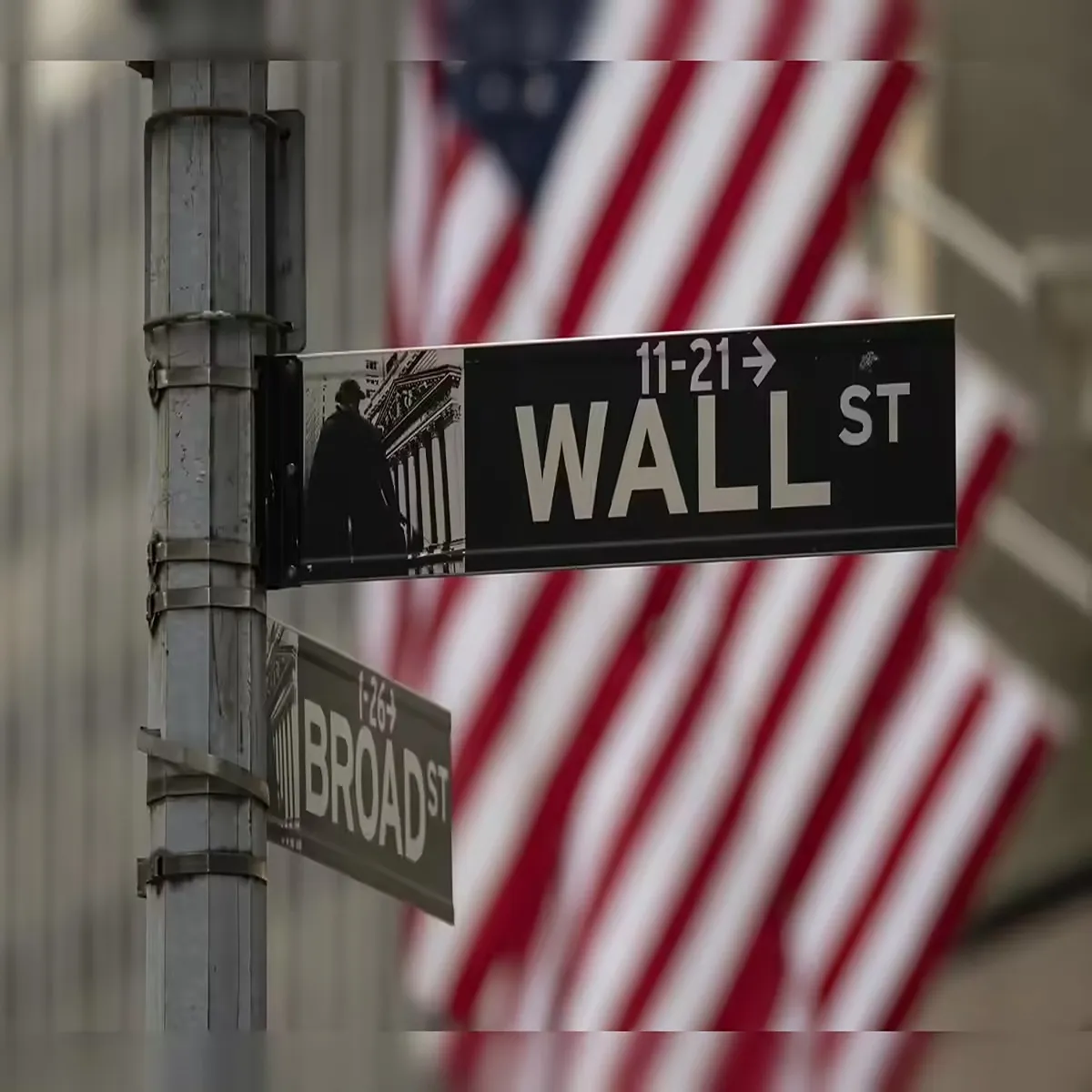
Wall- The U.S. financial market is entering a critical phase as investors reassess expectations for interest rate cuts, inflation trends, and economic growth heading into the second half of 2026. Rising Treasury yields, resilient consumer spending, and fresh inflation concerns linked to energy prices are reshaping sentiment across Wall Street, forcing both institutional and retail investors to rethink their strategies.
Recent signals from the Federal Reserve suggest policymakers are becoming increasingly cautious about lowering borrowing costs too quickly. At the same time, volatility in oil markets and continued spending on artificial intelligence infrastructure are creating new inflation pressures that could keep rates elevated longer than many investors expected earlier this year. (Federal Reserve)
Treasury Yields Climb as Investors Reprice Interest Rate Expectations
One of the biggest developments in U.S. finance markets this week has been the sharp rise in long-term Treasury yields. The 30-year Treasury yield moved above 5%, a level closely watched by analysts because it increases borrowing costs across the economy, including mortgages, business loans, and corporate debt financing. (Reuters)
Higher yields typically reflect investor concerns that inflation could remain elevated for longer than expected. Markets had previously anticipated multiple Federal Reserve rate cuts in 2026, but those expectations have weakened considerably in recent weeks.
Barclays became one of the latest major financial institutions to forecast no Federal Reserve rate cuts this year, citing persistent inflation risks and geopolitical uncertainty. (Reuters)
The Federal Reserve itself recently maintained the federal funds rate in the 3.5% to 3.75% range, emphasizing that inflation and global developments continue to create uncertainty for the U.S. economic outlook. (Federal Reserve)
Inflation Concerns Return to Center Stage
Inflation had shown signs of moderating earlier in the year, but several new economic pressures are changing the conversation on Wall Street.
Analysts now point to three major inflation drivers:
- Higher global energy prices
- Continued strength in consumer spending
- Massive AI-related infrastructure investment
According to market analysts, technology companies are expected to spend hundreds of billions of dollars on AI expansion, including data centers, semiconductors, and cloud infrastructure. That wave of spending is supporting economic growth but also increasing demand for energy and advanced hardware. (Business Insider)
A recent report from Stifel highlighted that prices for information-processing equipment are rising faster than wage growth for the first time in decades, a signal some strategists view as a warning sign for broader inflation pressures. (Business Insider)
Reuters analysis also noted that inflation could move closer to 4% instead of returning quickly to the Federal Reserve’s long-term 2% target, especially if energy prices remain elevated. (Reuters)
Why the Labor Market Matters More Than Ever
Investors are now closely watching upcoming U.S. labor market data because employment trends could heavily influence the Federal Reserve’s next policy decision.
Strong job growth and stable consumer spending have reduced the urgency for rate cuts. Economists say the Fed is unlikely to lower rates unless there is clear evidence that the labor market is slowing meaningfully. (Reuters)
Federal Reserve officials continue to stress that inflation control remains their top priority. New York Fed President John Williams recently stated that inflation may stay near 3% this year before potentially easing closer to the Fed’s target in 2027. (Federal Reserve Bank of New York)
That outlook suggests Americans could continue facing relatively high borrowing costs for mortgages, auto loans, and credit cards throughout much of 2026.
Stock Market Investors Shift Toward Defensive Strategies
The changing interest-rate environment is also influencing stock market behavior.
When Treasury yields rise, investors often rotate away from high-growth stocks because safer government bonds begin offering more attractive returns. This shift has increased volatility in technology and AI-related stocks that previously fueled much of Wall Street’s rally.
Some analysts believe the market is entering a more defensive phase as investors weigh inflation risks against strong corporate earnings. Others argue that continued AI spending could still support long-term market growth despite short-term volatility. (Business Insider)
At the same time, financial experts warn that elevated rates may pressure sectors heavily dependent on borrowing, including real estate, regional banking, and consumer finance companies.
Consumers Continue Spending Despite Economic Pressure
Despite concerns about inflation and higher interest rates, U.S. consumers remain surprisingly resilient.
Government and Treasury data show that household spending continues to support overall economic growth, even as Americans deal with higher fuel prices and elevated financing costs. (U.S. Department of the Treasury)
However, financial planners caution that many households are increasingly relying on credit cards and financing options to maintain spending levels. With average credit card interest rates remaining historically high, prolonged elevated rates could eventually weaken consumer demand. (Kiplinger)
Banks and lenders are also tightening standards in some areas as they prepare for a potentially slower economic environment later this year.
What Investors Are Watching Next
Wall Street’s near-term direction will likely depend on several key factors over the coming weeks:
- Upcoming U.S. jobs reports
- Inflation readings
- Oil price movements
- Federal Reserve commentary
- Corporate earnings guidance
Markets are also monitoring geopolitical developments that could affect energy supply chains and inflation expectations globally.
For now, the broader U.S. economy remains relatively stable, but the combination of sticky inflation, elevated Treasury yields, and cautious Federal Reserve policy is creating a more uncertain investment environment than many analysts expected at the start of 2026.
Investors appear increasingly prepared for a longer period of higher interest rates — a scenario that could continue reshaping financial markets, borrowing costs, and portfolio strategies across the United States through the remainder of the year. (Reuters)