
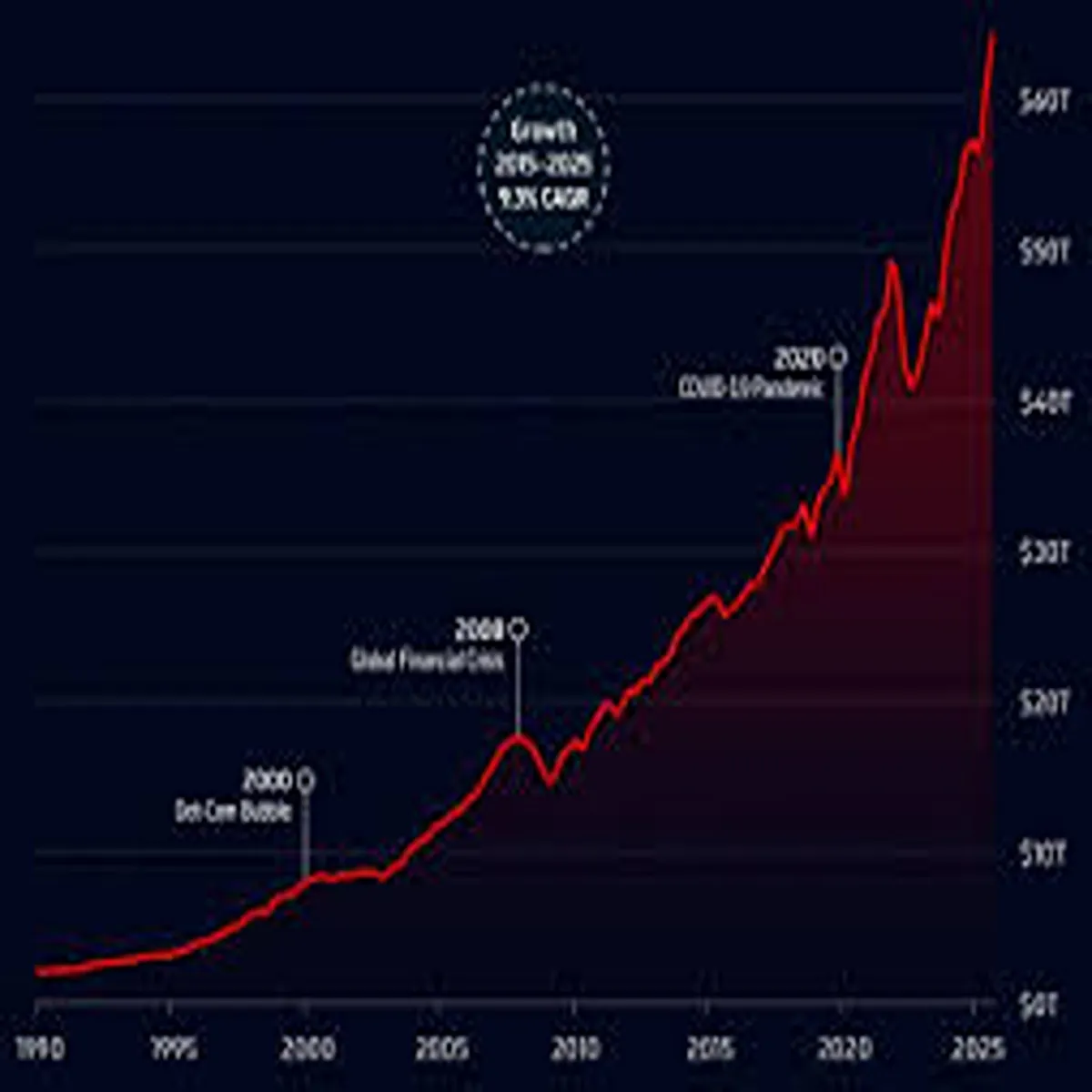
US Stock- The US stock market closed the week on a cautiously optimistic note as fresh economic data pointed to easing inflationary pressures, reinforcing expectations that the Federal Reserve may hold interest rates steady in the coming months. Investors across Wall Street are recalibrating their strategies amid shifting signals from policymakers, corporate earnings updates, and resilient consumer spending trends. With Treasury yields stabilizing and volatility easing, market participants are closely watching how macroeconomic indicators shape the financial outlook for the first half of 2026.
Inflation Data Reinforces Rate Pause Expectations
The latest Consumer Price Index (CPI) report showed a modest month-over-month increase, suggesting that price pressures continue to moderate compared to the peak levels seen over the past two years. Core inflation, which excludes food and energy, also came in largely in line with analyst expectations.
This cooling trend has strengthened investor belief that the Federal Reserve may avoid further rate hikes in the near term. Policymakers have emphasized a data-driven approach, signaling patience rather than urgency. Bond markets responded positively, with benchmark 10-year Treasury yields holding near recent lows, improving sentiment in interest-rate-sensitive sectors such as housing and technology.
While inflation remains above the Fed’s long-term 2% target, economists note that wage growth is moderating without triggering a sharp rise in unemployment—an outcome many describe as a potential “soft landing” scenario for the US economy.
Major Indexes Reflect Measured Optimism
All three major US indexes posted modest weekly gains. The S&P 500 edged higher, supported by strength in large-cap technology and healthcare stocks. The Nasdaq Composite outperformed, buoyed by continued demand for artificial intelligence-related companies. Meanwhile, the Dow Jones Industrial Average remained relatively stable, reflecting mixed performance among industrial and financial stocks.
Market breadth has improved compared to earlier in the year, with gains spreading beyond mega-cap technology names. Analysts say this broader participation could indicate a healthier rally, provided economic conditions remain stable.
Volatility indicators, including the CBOE Volatility Index (VIX), have retreated from recent spikes, suggesting that investor anxiety has eased, at least temporarily.
Big Tech Earnings Remain a Market Driver
Recent earnings reports from Apple Inc., Microsoft Corporation, NVIDIA Corporation, and Alphabet Inc. continue to shape overall market momentum. Technology giants have largely exceeded revenue expectations, driven by cloud computing growth, AI infrastructure demand, and stable consumer hardware sales.
NVIDIA, in particular, has remained central to the AI investment narrative, reporting robust demand for its data center chips. Meanwhile, Microsoft highlighted sustained enterprise spending on cloud services, even as some businesses tighten discretionary budgets.
However, analysts caution that elevated valuations in the tech sector leave little room for disappointment. Forward guidance and capital expenditure plans are being scrutinized closely by institutional investors.
Consumer Spending and Labor Market Show Resilience
US retail sales data suggests that consumer spending remains steady despite higher borrowing costs. Credit card usage has moderated slightly, but household balance sheets are still considered relatively healthy compared to pre-pandemic levels.
The labor market continues to show resilience, with unemployment hovering near historically low levels. Job creation has slowed from peak pandemic recovery rates but remains sufficient to support wage growth. For equity markets, this balance between cooling inflation and steady employment is critical.
Investors are also monitoring wage trends and small business hiring plans to gauge whether consumer-driven sectors such as travel, hospitality, and discretionary retail can sustain momentum into the summer.
Banking Sector Stability Improves Investor Confidence
Regional banks, which experienced turbulence in previous quarters, have shown signs of stabilization. Improved liquidity ratios and stronger-than-expected earnings from several mid-sized financial institutions have reduced systemic risk concerns.
Large financial institutions reported steady loan growth and manageable credit losses. Analysts note that commercial real estate exposure remains a watchpoint, but stress levels appear contained compared to earlier fears.
With credit markets functioning smoothly and corporate bond spreads narrowing, the broader financial system appears stable—an encouraging signal for equity investors.
What Investors Are Watching Next
Looking ahead, market participants are focused on upcoming Federal Reserve commentary, updated GDP estimates, and personal consumption expenditure (PCE) inflation data. These indicators could further clarify the trajectory of monetary policy.
Geopolitical developments, energy prices, and global growth trends will also influence investor sentiment. While near-term volatility cannot be ruled out, many portfolio managers are positioning for moderate economic expansion rather than recession.
Diversification remains a common strategy, with investors balancing exposure across growth stocks, dividend-paying companies, and defensive sectors. Financial advisors emphasize long-term planning over short-term speculation, particularly in a market environment shaped by macroeconomic shifts.
Outlook: Cautious Optimism Defines Market Tone
The current US market environment reflects cautious optimism rather than exuberance. Cooling inflation, steady corporate earnings, and a resilient labor market are providing a foundation for stability. At the same time, uncertainties surrounding global growth and future interest rate decisions remain part of the equation.
For everyday investors and institutional players alike, the focus remains on disciplined portfolio management and close monitoring of economic data. As 2026 unfolds, Wall Street’s performance will likely depend less on headline momentum and more on sustainable fundamentals.