
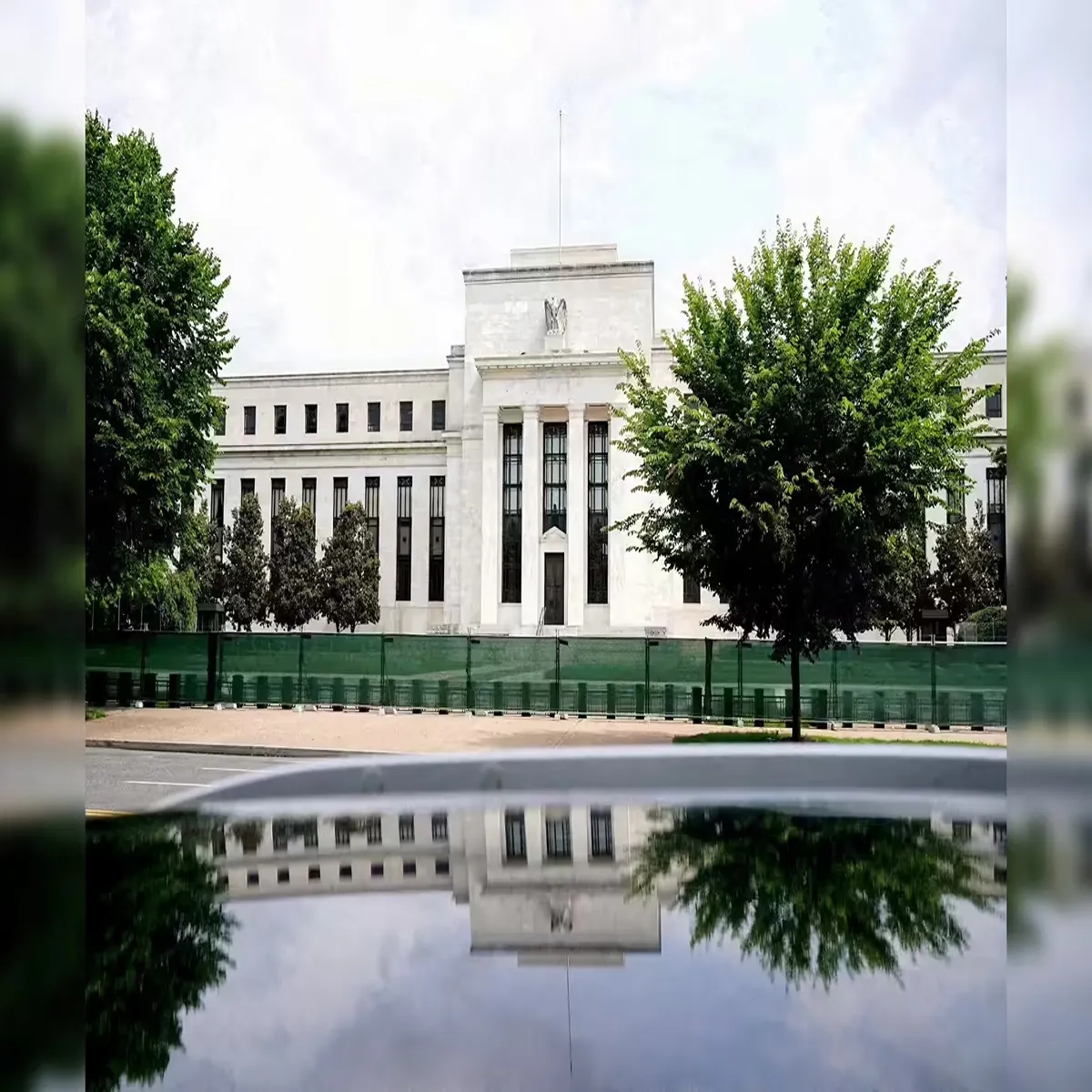
U.S. Markets- The U.S. stock market moved higher this week after fresh inflation data showed continued cooling in consumer prices, reinforcing expectations that the Federal Reserve may hold interest rates steady in the coming months. Investors responded positively to signs of moderating cost pressures, pushing major indexes toward record territory and reviving risk appetite across equities, bonds, and select growth sectors.
Inflation Data Strengthens Case for Policy Pause
The latest Consumer Price Index (CPI) report indicated that headline inflation rose at a slower annual pace compared to the previous quarter, aligning closely with economists’ forecasts. Core inflation, which excludes food and energy, also showed gradual moderation — a key metric closely monitored by policymakers at the Federal Reserve.
Market analysts say the data supports the central bank’s cautious approach. After an aggressive rate-hiking cycle that began in 2022, the Fed has shifted toward a data-dependent stance, signaling it wants sustained evidence that inflation is moving toward its 2% target before considering rate cuts.
Treasury yields edged lower following the report, with the 10-year yield dipping as bond traders priced in a prolonged pause in benchmark rates. Lower yields tend to support equity valuations, particularly in technology and growth sectors.
Wall Street Indexes Approach Record Highs
S&P 500 and Nasdaq Composite both posted gains, led by large-cap technology and semiconductor stocks. Meanwhile, the Dow Jones Industrial Average advanced more modestly, reflecting mixed performance in cyclical and industrial names.
Technology stocks continued to drive broader market strength, supported by resilient corporate earnings and steady demand for artificial intelligence infrastructure. Investors remain focused on profit margins, forward guidance, and capital expenditure trends as earnings season progresses.
According to market strategists, the rally reflects growing confidence that the U.S. economy can avoid a recession while inflation gradually cools — a scenario often described as a “soft landing.”
Federal Reserve Officials Strike Measured Tone
Recent public comments from policymakers suggest the Fed remains cautious but not alarmed. Officials have emphasized the importance of avoiding premature rate cuts that could reignite price pressures. At the same time, they acknowledge that tighter financial conditions are working to slow demand.
The benchmark federal funds rate remains at a multi-decade high range, a level designed to curb borrowing and temper spending. Mortgage rates, auto loans, and credit card interest costs remain elevated compared to pre-pandemic levels, impacting household budgets and business investment decisions.
Financial markets currently expect the first potential rate cut later this year, though timing remains dependent on future inflation and labor market data.
Labor Market Remains Resilient
The U.S. labor market continues to demonstrate strength, with unemployment holding near historically low levels. Job growth has moderated compared to peak post-pandemic hiring, but wage gains remain steady.
Strong employment figures have helped sustain consumer spending — a critical driver of U.S. economic growth. Retail sales data indicates that households are still spending on essentials and discretionary items, although there are signs of increased price sensitivity among consumers.
Economists note that a balanced labor market is central to maintaining economic stability while inflation eases. Excessive wage growth could complicate the Fed’s inflation fight, but current trends suggest gradual normalization.
Corporate Earnings Show Mixed Signals
Quarterly earnings reports have painted a nuanced picture of corporate America. Several major firms have exceeded Wall Street expectations, citing operational efficiency and disciplined cost management. However, some companies have warned of margin pressure due to higher borrowing costs and shifting consumer behavior.
Sectors such as technology, healthcare, and select financial services have shown resilience, while interest-rate-sensitive industries — including real estate and small-cap financial institutions — face continued headwinds.
Investors are closely analyzing forward guidance for clues about capital spending, hiring plans, and demand outlooks for the second half of the year.
Bond Market Signals Stabilization
The bond market has provided important signals about economic expectations. The yield curve — which had been inverted for an extended period — has shown early signs of normalization. Historically, prolonged inversions have preceded recessions, but current data suggests slower growth rather than a sharp contraction.
Investment-grade corporate bonds have seen renewed interest as investors seek stable returns amid uncertain equity valuations. Meanwhile, money market funds continue to attract inflows, offering competitive yields compared to traditional savings accounts.
Risks Still on the Radar
Despite market optimism, risks remain. Geopolitical tensions, global supply chain adjustments, and commodity price volatility could disrupt the inflation trajectory. Additionally, commercial real estate pressures and regional banking stability remain areas of monitoring.
Policy uncertainty ahead of upcoming fiscal negotiations in Washington may also influence market sentiment. Investors are watching federal budget discussions closely, particularly regarding spending levels and potential regulatory changes.
What It Means for U.S. Investors
For individual investors, the current environment highlights the importance of diversification and disciplined portfolio management. Financial advisors recommend maintaining exposure across asset classes while avoiding reactionary moves based on short-term market swings.
Long-term investors may find opportunities in sectors benefiting from structural growth trends, including artificial intelligence, clean energy infrastructure, and advanced manufacturing. At the same time, conservative strategies such as fixed-income allocation and dividend-paying stocks remain relevant in a higher-rate environment.
Outlook: Data-Driven Markets Ahead
Looking forward, upcoming CPI releases, labor market reports, and Federal Reserve meeting minutes will likely shape market direction. Analysts expect volatility to persist, but broad consensus suggests that inflation moderation combined with economic resilience could sustain current momentum.
While uncertainties remain, the overall tone across Wall Street has shifted from caution to measured optimism. If inflation continues to ease without a sharp rise in unemployment, U.S. markets may be positioned for steady — though not uninterrupted — growth in the months ahead.