
U.S. Markets- The U.S. financial markets are entering a pivotal phase as easing inflation data and shifting Federal Reserve signals reshape investor expectations. After months of uncertainty, recent economic indicators suggest that price pressures are gradually stabilizing, fueling speculation about potential interest rate cuts later in 2026. For investors, policymakers, and everyday Americans, the evolving landscape is creating both cautious optimism and renewed debate about the future of economic growth.
Cooling Inflation Signals Shift Market Sentiment
Recent data from the Bureau of Labor Statistics indicates that inflation has continued its downward trajectory, with the Consumer Price Index (CPI) rising at a slower pace compared to previous quarters. Core inflation, which excludes volatile food and energy prices, has also shown signs of moderation.
This trend has played a key role in boosting investor confidence across major indices such as the S&P 500 and Nasdaq Composite. Market participants increasingly believe that the Federal Reserve may soon pivot away from its restrictive monetary stance.
While inflation remains above the Fed’s long-term target of 2%, the steady decline has reduced fears of prolonged aggressive rate hikes. Analysts note that this shift is particularly significant for sectors sensitive to borrowing costs, including housing, technology, and consumer discretionary.
Federal Reserve Policy Outlook: A Turning Point Ahead?
The Federal Reserve has maintained a cautious tone in recent statements, emphasizing data dependency while acknowledging progress on inflation. Chair Jerome Powell has signaled that while the fight against inflation is not over, the central bank is prepared to adjust its policy if economic conditions warrant it.
Market expectations, reflected in futures pricing, now indicate a growing احتمال of rate cuts by late 2026. This marks a sharp contrast to the tightening cycle seen over the past two years, where interest rates reached their highest levels in over a decade.
However, economists warn that premature easing could risk reigniting inflation. The Fed faces a delicate balancing act: supporting economic growth without undermining the progress made in stabilizing prices.
Labor Market Strength Continues to Support Growth
One of the strongest pillars of the U.S. economy remains its labor market. Unemployment rates have stayed near historic lows, and job creation continues to exceed expectations in several sectors.
Wage growth, although moderating slightly, remains robust enough to support consumer spending. This resilience has helped the economy avoid a sharp slowdown despite higher borrowing costs.
For financial markets, a strong labor market presents both opportunity and challenge. On one hand, it sustains corporate earnings and consumer demand. On the other, it could delay aggressive rate cuts if wage-driven inflation persists.
Stock Market Trends: Tech Leads, But Risks Remain
Technology stocks have once again taken center stage, driving much of the recent rally in U.S. equities. Companies involved in artificial intelligence, cloud computing, and semiconductor manufacturing have posted strong earnings, attracting significant investor interest.
At the same time, market breadth remains uneven. While large-cap tech firms continue to outperform, smaller companies and traditional industries have shown mixed performance.
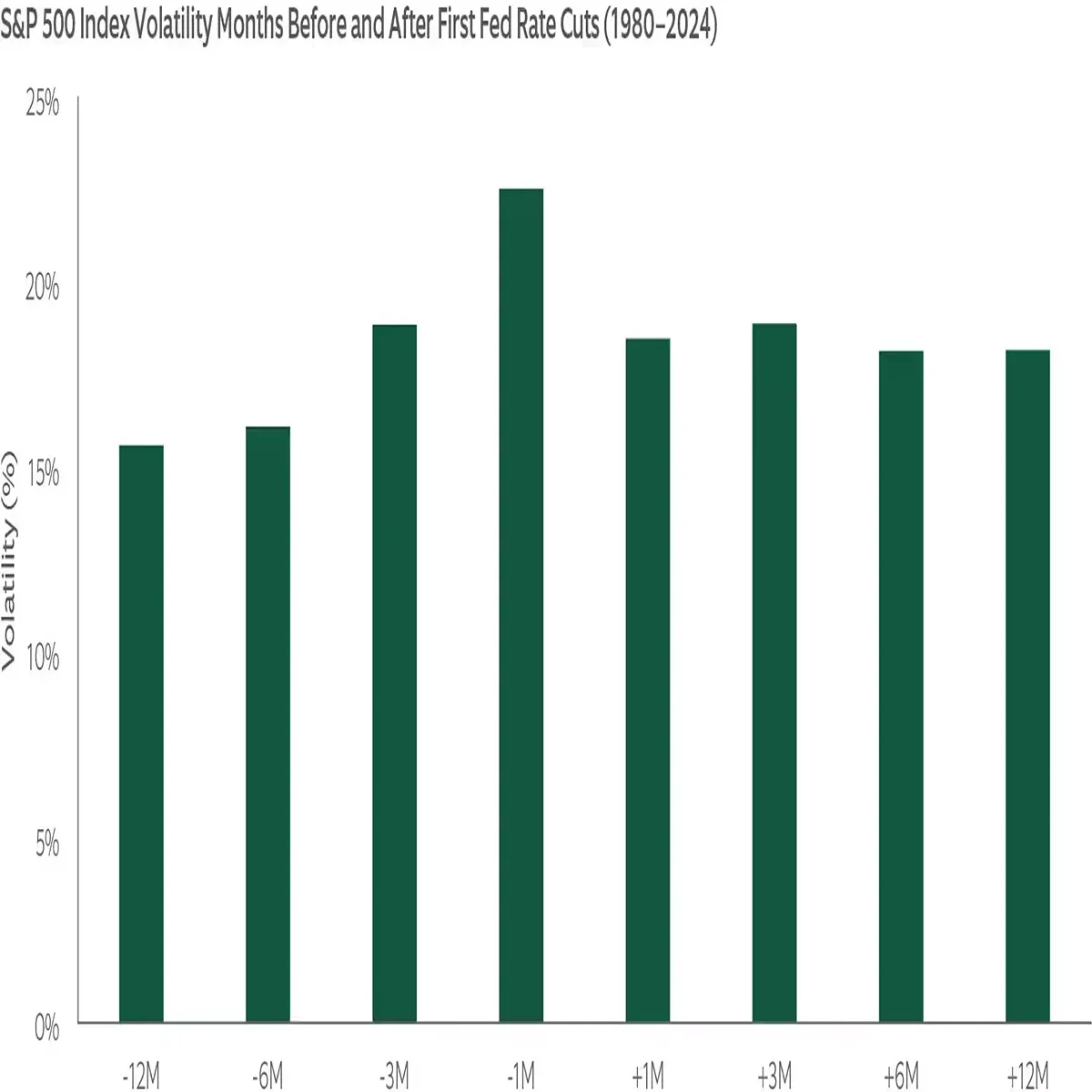
Volatility also persists, particularly in response to macroeconomic data releases and geopolitical developments. Investors are increasingly focusing on earnings quality, balance sheet strength, and forward guidance as key indicators of long-term value.
Bond Markets React to Changing Rate Expectations
The bond market has been particularly sensitive to shifting expectations around Federal Reserve policy. Treasury yields have fluctuated as investors reassess the timing and magnitude of potential rate cuts.
Short-term yields, which are closely tied to Fed policy, have begun to stabilize, while long-term yields reflect broader economic outlook and inflation expectations. The yield curve, which had been inverted for an extended period, is showing early signs of normalization.
For income-focused investors, this environment presents new opportunities. Fixed-income assets are regaining attractiveness as yields remain relatively elevated compared to pre-pandemic levels.
Consumer Spending and Housing Show Mixed Signals
Consumer spending, a key driver of the U.S. economy, remains resilient but is beginning to show signs of moderation. Higher credit card balances and tighter lending standards are influencing household behavior.
The housing market, meanwhile, continues to grapple with affordability challenges. Elevated mortgage rates have slowed home sales, although limited inventory has prevented significant price declines.
These mixed signals highlight the complexity of the current economic environment, where strength in some areas is offset by weakness in others.
What It Means for Investors in 2026
For investors, the current market environment demands a balanced and strategic approach. Diversification remains critical, as different asset classes respond differently to evolving economic conditions.
Equity investors are closely monitoring corporate earnings and sector trends, while bond investors are positioning for potential rate cuts. Meanwhile, alternative assets and defensive sectors are gaining attention as hedges against uncertainty.
Financial advisors emphasize the importance of long-term planning over short-term market timing, particularly in a period marked by rapid shifts in policy and sentiment.
Outlook: Cautious Optimism with Key Risks Ahead
Looking ahead, the U.S. financial landscape appears to be moving toward a more stable phase, but significant risks remain. Inflation, while cooling, is not fully under control. Geopolitical tensions and global economic factors could also influence market dynamics.
The Federal Reserve’s next moves will be closely watched, as they will likely set the tone for both financial markets and broader economic conditions in the months ahead.
For now, the combination of easing inflation, a resilient labor market, and strong corporate performance is providing a foundation for cautious optimism—one that investors will continue to navigate carefully.