
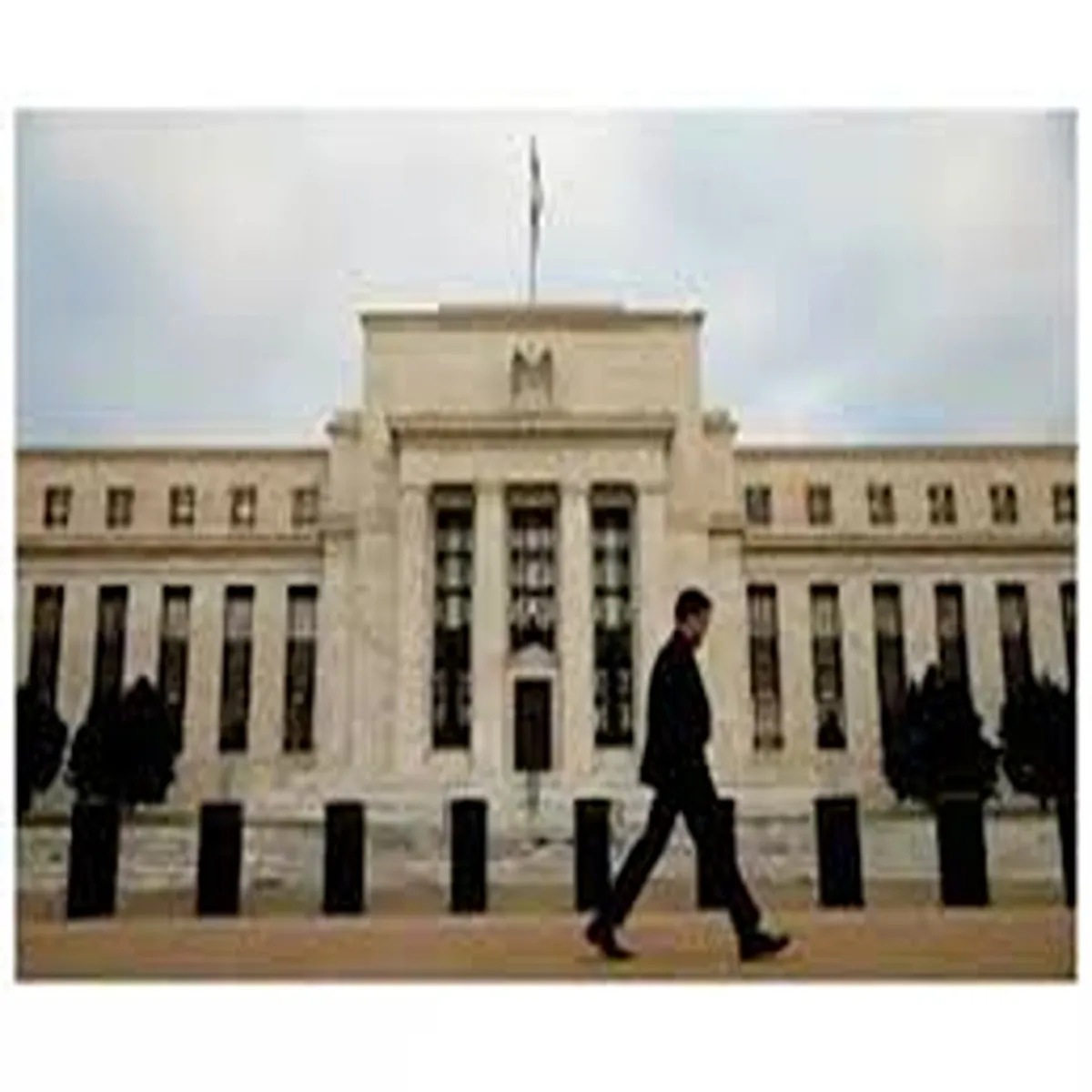
US Markets- The U.S. financial markets are entering a critical phase as investors weigh persistent inflation, elevated Treasury yields, and the Federal Reserve’s next policy moves. Recent economic data released during the second week of June 2026 has reinforced concerns that inflation remains more resilient than many economists expected earlier this year. As a result, Wall Street is closely monitoring upcoming Federal Reserve communications for clues about the future direction of interest rates.
Inflation Remains the Dominant Market Driver
Inflation has once again become the primary focus for investors across equities, bonds, and consumer-facing sectors. The latest Producer Price Index (PPI) report showed wholesale prices rising faster than anticipated, reflecting ongoing cost pressures throughout the economy. Energy prices, particularly gasoline and fuel-related costs, played a major role in the increase, though broader inflation measures also showed signs of strength.
The stronger-than-expected inflation readings have complicated expectations for monetary policy. Earlier in the year, many market participants anticipated rate cuts before the end of 2026. However, the latest data has prompted a reassessment, with investors increasingly expecting the Federal Reserve to maintain higher borrowing costs for a longer period.
Treasury Yields Stay Elevated
The bond market has reflected these inflation concerns through higher Treasury yields. The benchmark 10-year Treasury yield has remained near multi-month highs, while shorter-duration yields continue to signal expectations for restrictive monetary policy. Elevated yields increase borrowing costs across the economy, affecting everything from mortgages and auto loans to corporate financing.
Financial analysts note that higher Treasury yields can create headwinds for growth-oriented stocks because future earnings become less valuable when discounted at higher interest rates. This dynamic has contributed to periods of volatility in technology and high-growth sectors that have led market gains over the past year. Federal Reserve Meeting Draws Intense Attention
Investors are now focused on the Federal Reserve’s upcoming policy meeting, which is expected to provide crucial insight into how policymakers view current inflation trends. While economists broadly expect rates to remain unchanged in the near term, the central bank’s guidance may prove more important than the decision itself.
Market participants will be analyzing every aspect of the Fed’s statement, economic projections, and leadership commentary. Any indication that policymakers are prepared to maintain restrictive policy longer than expected could influence stock valuations, bond yields, and currency markets in the weeks ahead.
Stock Market Faces a More Challenging Environment
After a strong run supported by corporate earnings growth and enthusiasm surrounding artificial intelligence investments, U.S. equities are facing a more complex backdrop. Major indexes have experienced increased volatility as investors attempt to balance strong economic fundamentals against inflation risks and higher interest rates.
Technology companies remain a key driver of market performance, but analysts caution that higher financing costs and elevated valuations could increase sensitivity to macroeconomic developments. Market strategists suggest that future gains may depend more heavily on earnings growth than on expectations of lower interest rates.
Consumers Continue to Feel Financial Pressure
The inflation environment is also affecting American households. Higher prices for fuel, transportation, and everyday goods have placed additional strain on consumer budgets. While employment conditions remain relatively strong, many families continue to face higher borrowing costs and increased living expenses compared with previous years.
Consumer spending remains a critical component of the U.S. economy, accounting for a significant share of economic activity. Financial experts are watching closely to determine whether persistent inflation and elevated interest rates eventually lead to slower spending growth during the second half of 2026. Energy Markets Add Another Layer of Uncertainty
Energy prices have emerged as a significant variable in the inflation outlook. Recent increases in oil and fuel costs have contributed directly to higher inflation readings and raised concerns about broader price pressures across the economy. Since energy expenses affect transportation, manufacturing, and household budgets, sustained increases could complicate efforts to bring inflation closer to the Federal Reserve’s long-term target.
Analysts note that developments in global energy markets will likely remain a key factor influencing inflation expectations, bond yields, and overall investor sentiment throughout the remainder of the year. What Investors Are Watching Next
Looking ahead, investors will focus on several important indicators, including inflation reports, employment data, consumer spending trends, and corporate earnings. Together, these metrics will help determine whether the U.S. economy can sustain growth while gradually reducing inflation pressures.
For now, the market narrative remains centered on one question: how long interest rates will stay elevated. Until clearer evidence emerges that inflation is moving decisively lower, financial markets are likely to remain sensitive to every major economic release and Federal Reserve update.