
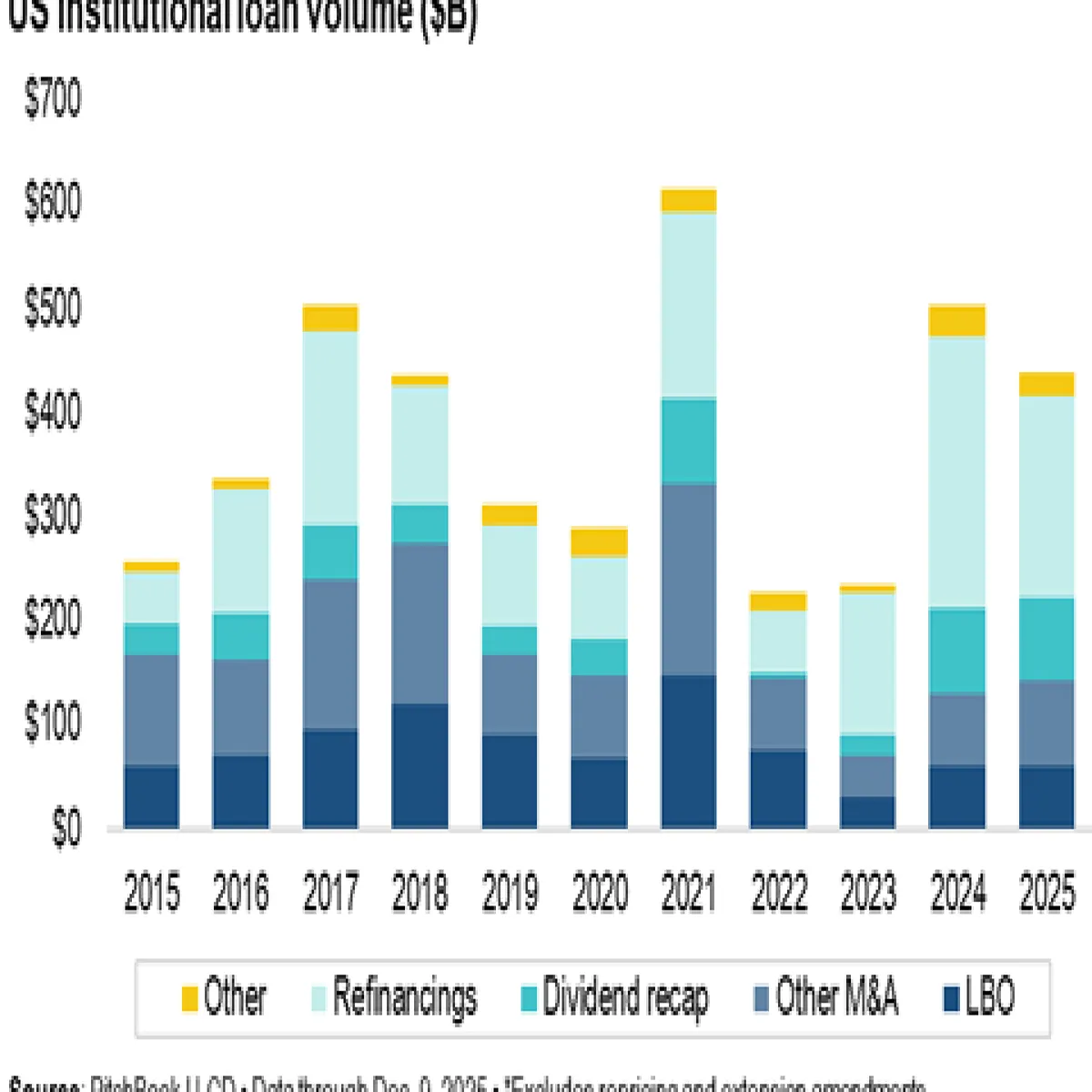
US Loan- The U.S. loan market is entering a critical phase in 2026 as consumers continue to borrow amid high interest rates, rising household debt, and ongoing affordability challenges. While demand for personal loans, auto financing, and business credit remains active, lenders and borrowers alike are adjusting to a market shaped by elevated borrowing costs and tighter financial conditions. Recent data from the Federal Reserve, TransUnion, Experian, and major lending platforms suggest that Americans are increasingly relying on loans to manage expenses, consolidate debt, and finance major purchases, even as repayment risks slowly rise.
Consumer Borrowing Remains Strong Despite Higher Rates
Loan demand across several categories has remained resilient during the first half of 2026. Federal Reserve data shows consumer credit continued expanding during the first quarter, reflecting steady borrowing activity among households. Financial institutions have reported stronger demand for business and consumer lending compared with late 2025, signaling that borrowers are still seeking access to credit despite higher financing costs.
One of the biggest drivers behind this trend is inflation-related pressure on household budgets. Although inflation has cooled from its peak levels, many essential expenses—including housing, transportation, insurance, and utilities—remain significantly higher than pre-pandemic levels. As a result, more consumers are turning to personal loans to cover large purchases, refinance existing debt, or manage unexpected expenses.
Industry reports indicate that millions of Americans now hold personal loans, with overall balances continuing to climb. Borrowers are increasingly using installment loans as an alternative to high-interest credit card debt, particularly when fixed monthly payments offer more predictable budgeting.
Personal Loan Rates Continue to Challenge Borrowers
Interest rates remain one of the biggest concerns in the lending market. Average personal loan annual percentage rates (APR) remain in the double digits for many consumers, especially those with average or below-average credit scores.
Borrowers with excellent credit continue to qualify for the most competitive offers, while applicants with weaker credit profiles often face significantly higher costs. Financial experts say credit score quality has become one of the most important factors influencing loan affordability in 2026.
Online lenders and fintech companies remain aggressive competitors in the personal loan space, offering streamlined approval processes and digital-first customer experiences. However, financial advisors continue to encourage consumers to compare multiple lenders before accepting loan offers, as rate differences can substantially affect long-term repayment costs.
Mortgage Lending Faces Affordability Headwinds
The housing sector remains one of the most closely watched areas of the loan market. Mortgage rates have remained above levels many homebuyers had hoped for at the start of the year, creating ongoing affordability challenges across the country.
Recent housing finance reports show home purchase loan originations have fallen sharply compared with previous years. Elevated home prices combined with mortgage rates above 6% have reduced buying power for many households. First-time homebuyers continue to face particular challenges, especially in major metropolitan markets where inventory remains limited.
Many potential buyers have delayed purchases in anticipation of future rate relief. At the same time, homeowners who secured historically low mortgage rates in earlier years remain reluctant to sell, limiting housing supply and contributing to market stagnation.
Lenders are responding with promotional programs, temporary rate buy-downs, and flexible financing products aimed at improving affordability. Nevertheless, analysts expect mortgage activity to remain sensitive to any future Federal Reserve policy decisions.
Auto Loan Trends Reflect Changing Consumer Behavior
Auto financing is another area undergoing significant change. Vehicle prices remain elevated compared with historical norms, leading many buyers to extend loan terms in order to keep monthly payments manageable.
A growing share of new vehicle buyers are choosing financing periods exceeding six years. While longer loan terms reduce monthly obligations, they can increase total interest costs over the life of the loan and leave borrowers with negative equity for extended periods.
Auto lenders are also paying closer attention to repayment performance. Delinquency rates have shown signs of gradual increase across some borrower segments, particularly among consumers facing broader financial stress. Credit unions continue to attract borrowers seeking refinancing opportunities and lower rates compared with traditional lenders.
Rising Household Debt Draws Attention
Total U.S. household debt has reached record levels, reflecting growth across mortgages, credit cards, personal loans, and auto financing. Economists note that rising debt balances do not necessarily indicate financial instability on their own, as income growth and employment conditions also play important roles.
However, debt servicing costs have increased for many households due to higher interest rates. Consumers carrying variable-rate debt or revolving balances may face greater financial strain than those holding fixed-rate loans.
Financial wellness surveys show many Americans remain concerned about their ability to absorb unexpected expenses. This environment has increased demand for debt consolidation loans, balance transfer products, and other financial management tools designed to reduce monthly payment burdens.
Student Loan Repayment Challenges Continue
Student loan borrowers remain under pressure following the return of repayment requirements. While some measures of delinquency have improved compared with earlier projections, millions of borrowers continue struggling to stay current on payments.
Federal Reserve researchers have noted that student loan repayment remains an area of concern, particularly for borrowers with lower incomes or limited savings. Education-related debt continues to influence consumer spending patterns, homeownership decisions, and broader borrowing behavior across younger demographics.
Policy discussions surrounding repayment options, forgiveness programs, and borrower protections remain active, making student lending one of the most closely monitored sectors in consumer finance.
What Experts Expect for the Rest of 2026
Market forecasts suggest loan demand will likely remain steady throughout the remainder of 2026. Many economists expect moderate growth in lending activity if inflation continues easing and borrowing costs gradually decline.
Financial institutions are preparing for a mixed environment where consumer demand remains healthy but credit quality requires closer monitoring. Personal loans, debt consolidation products, and select mortgage refinancing opportunities could see stronger activity if interest rates move lower later in the year.
For borrowers, experts continue emphasizing the importance of maintaining strong credit profiles, comparing lenders carefully, and avoiding unnecessary debt accumulation. In a market where rates remain elevated, informed financial decisions can make a meaningful difference in long-term borrowing costs.
As economic conditions continue evolving, the U.S. loan market remains a central indicator of consumer confidence, household financial health, and overall economic momentum. The coming months will likely determine whether borrowing activity accelerates further or shifts into a more cautious phase as consumers balance credit access with affordability concerns.