
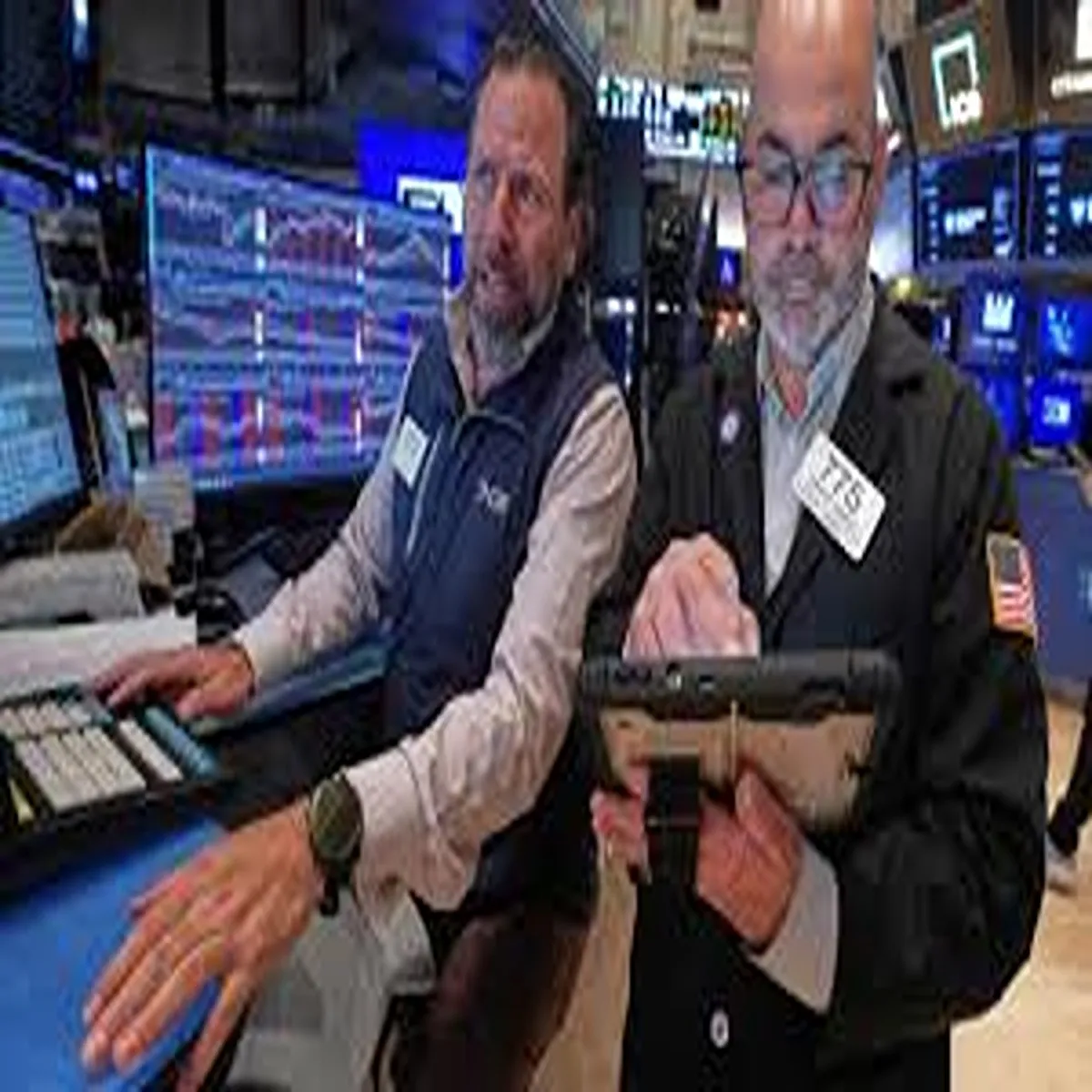
Wall- The U.S. stock market continued its strong momentum this week as technology shares helped lift the S&P 500 and Nasdaq Composite to fresh record highs, while investors weighed inflation concerns, interest-rate expectations, and corporate earnings performance. Market participants across Wall Street are increasingly focused on whether the current rally can continue through the second half of 2026 amid shifting Federal Reserve policy signals and global economic uncertainty.
According to recent market data, the S&P 500 climbed above the 7,440 level, while the Nasdaq surged on renewed optimism around artificial intelligence, semiconductor demand, and strong earnings from major technology companies. The Dow Jones Industrial Average, however, showed mixed performance as investors rotated away from traditional industrial and financial sectors.
Tech Stocks Continue Driving Market Gains
Large-cap technology companies once again led the market higher, reinforcing the dominance of AI-related investments in the current bull market cycle. Semiconductor stocks, cloud-computing firms, and mega-cap tech names delivered some of the strongest gains during recent trading sessions.
Companies tied to artificial intelligence infrastructure remain a major focus for institutional investors. Nvidia, Alphabet, Tesla, and several chip manufacturers posted notable advances as demand for AI computing power continues to accelerate across industries. Analysts say investor enthusiasm surrounding automation, AI software, and data-center expansion remains one of the strongest themes supporting equities this year.
Market strategists also point to improving corporate efficiency and higher productivity linked to AI adoption as a key reason earnings forecasts have remained resilient despite inflationary pressure.
Inflation and Federal Reserve Concerns Remain in Focus
Even as stocks reached new highs, inflation remains one of the biggest risks facing Wall Street. Recent economic reports showed wholesale and consumer prices rising faster than expected, increasing uncertainty over future Federal Reserve interest-rate decisions.
Higher inflation typically raises concerns that the Fed may keep borrowing costs elevated for longer than investors previously anticipated. Treasury yields moved higher following the latest data releases, reflecting expectations that policymakers could remain cautious about cutting rates aggressively in 2026.
Energy prices have also contributed to inflation concerns. Oil markets experienced sharp volatility in recent weeks due to geopolitical tensions involving Iran and global supply disruptions. Rising crude prices could continue adding pressure to transportation, manufacturing, and consumer costs across the U.S. economy.
Despite these headwinds, equity investors appear focused on strong earnings growth and long-term technology trends rather than short-term macroeconomic fears.
Corporate Earnings Stay Surprisingly Strong
One of the biggest reasons behind the market’s resilience has been better-than-expected corporate earnings. Several Wall Street firms have recently raised their outlooks for the S&P 500 after stronger profit growth from major U.S. companies.
Morgan Stanley increased its 2026 target for the S&P 500 to 8,000, citing accelerating earnings growth, operational efficiency, and continued AI-driven expansion across corporate America. Analysts expect earnings per share for S&P 500 companies to rise significantly over the next year, supported by automation investments and improved productivity.So far, a large majority of reporting companies have exceeded analyst expectations, helping support bullish sentiment even as inflation pressures remain elevated.
Financial analysts say investors are rewarding companies that demonstrate pricing power, stable margins, and exposure to long-term technology trends. Businesses with strong balance sheets and recurring revenue streams continue attracting institutional capital.
Market Volatility Has Not Fully Disappeared
Although U.S. indexes are trading near all-time highs, volatility risks remain present beneath the surface of the market. Earlier this year, Wall Street experienced sharp declines tied to tariff concerns and geopolitical uncertainty, reminding investors that sentiment can change quickly.
Several analysts warn that elevated valuations, rising bond yields, and geopolitical risks could trigger periods of increased volatility later this year. Some sectors outside of technology have struggled to maintain momentum, particularly smaller companies sensitive to higher interest rates.
At the same time, investors continue monitoring Federal Reserve leadership changes and global trade developments that could influence financial markets during the remainder of 2026.
Still, many portfolio managers believe the broader trend remains constructive as long as earnings growth continues and the U.S. economy avoids a major slowdown.
Retail Investors Return to U.S. Equities
Retail investor participation has also increased in recent months as optimism surrounding AI, technology innovation, and long-term market growth attracts new capital into equities. Online brokerage activity and ETF inflows remain strong, particularly in technology-focused funds.
Market data shows the Nasdaq and S&P 500 have significantly outperformed several global indexes this year, reinforcing confidence among domestic investors. The U.S. market continues benefiting from strong corporate profitability, deep capital markets, and leadership in emerging technologies.
Analysts note that while enthusiasm around AI remains high, investors are becoming more selective and increasingly focused on profitability rather than speculative growth alone.
What Investors Are Watching Next
Looking ahead, Wall Street will closely monitor upcoming inflation reports, Federal Reserve commentary, labor-market data, and additional corporate earnings announcements. Any signs of slowing inflation or easing monetary policy could provide further support for equities.
At the same time, investors remain alert to oil-price volatility, geopolitical developments, and Treasury yield movements that could influence risk appetite across financial markets.
For now, momentum remains firmly on the side of U.S. equities, with technology and artificial intelligence continuing to shape the direction of the broader stock market in 2026.