
US Loan Market- The U.S. loan market is entering a new phase in 2026, shaped by shifting interest rates, evolving borrower behavior, and tighter lending standards. After years of volatility driven by inflation and aggressive monetary policy, both lenders and consumers are adjusting to a more balanced—yet still cautious—financial environment. From mortgages to personal loans, the landscape is changing in ways that directly impact millions of Americans.
Interest Rates Stabilize but Remain a Key Pressure Point
After peaking in recent years, interest rates in the U.S. have shown signs of stabilization in early 2026. However, they remain significantly higher than pre-pandemic levels. The Federal Reserve’s cautious approach toward rate cuts has kept borrowing costs elevated, especially for long-term loans like mortgages.
For borrowers, this means monthly payments are still relatively high compared to earlier periods. While some relief is expected if inflation continues to ease, experts warn that rates are unlikely to return to historic lows anytime soon. This “new normal” is forcing consumers to rethink when and how they take out loans.
Mortgage Market Sees Slow but Steady Recovery
The housing loan segment, one of the most sensitive to rate changes, is gradually regaining momentum. After a sharp slowdown in 2023 and 2024, mortgage applications have begun to increase slightly as buyers adjust to higher borrowing costs.
Lenders are introducing more flexible products, including adjustable-rate mortgages (ARMs) and hybrid loans, to attract hesitant buyers. At the same time, refinancing activity remains subdued, as many homeowners are still locked into lower rates from previous years.
Industry analysts note that while demand is returning, affordability challenges persist—especially in major metropolitan areas where home prices remain elevated.
Personal Loans Gain Popularity Amid Rising Living Costs
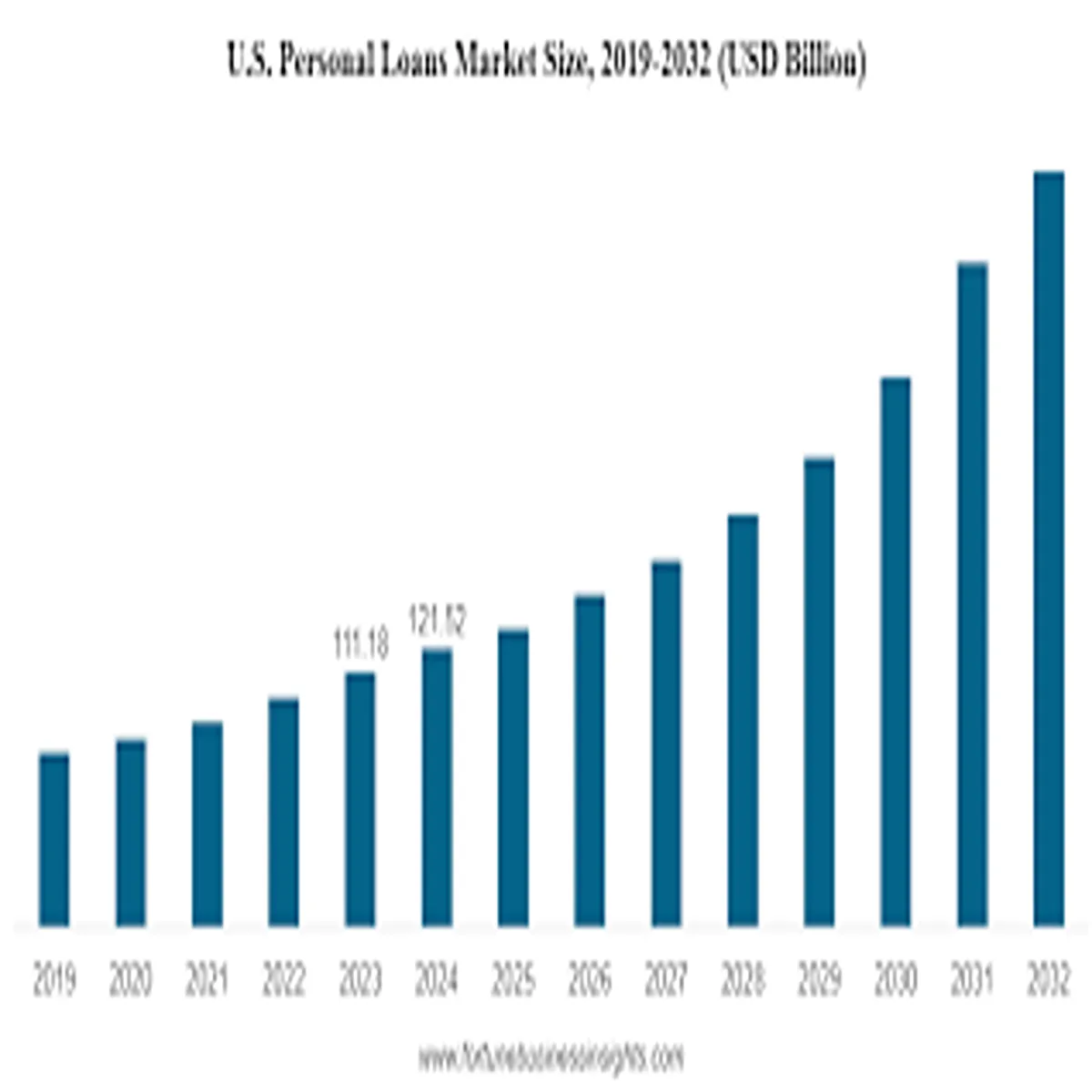
Personal loans are seeing a noticeable uptick in demand, driven largely by rising living expenses. With inflation impacting essentials like housing, healthcare, and food, many Americans are turning to unsecured loans to manage short-term financial gaps.
Online lenders and fintech platforms continue to dominate this space, offering faster approvals and more user-friendly experiences. However, interest rates on personal loans have also increased, making it crucial for borrowers to compare options carefully.
Financial advisors emphasize responsible borrowing, warning that higher rates can quickly lead to debt cycles if loans are not managed properly.
Auto Loans Face Mixed Trends as EV Market Grows
Auto loans present a mixed picture in 2026. While overall vehicle sales remain steady, financing conditions have tightened. Higher interest rates and stricter credit requirements are making it harder for some consumers to qualify for favorable loan terms.
At the same time, the growing demand for electric vehicles (EVs) is influencing loan patterns. Many lenders are offering specialized financing options and incentives for EV purchases, often in partnership with manufacturers or government programs.
Despite these developments, affordability remains a concern, as vehicle prices—especially for new models—continue to climb.
Credit Standards Tighten Across Lending Institutions
One of the most notable trends in the current loan market is the tightening of credit standards. Banks and financial institutions are becoming more selective, particularly in response to economic uncertainty and rising default risks.
Borrowers with strong credit profiles continue to access competitive rates and favorable terms. However, those with lower credit scores are facing higher interest rates, stricter approval criteria, and limited options.
This shift is also contributing to the growth of alternative lending platforms, which often cater to underserved segments—but sometimes at a higher cost.
Student Loan Landscape Adjusts After Policy Changes
The student loan sector is undergoing significant adjustments following recent policy updates and repayment reforms. With federal loan repayments fully resumed, millions of borrowers are re-entering repayment cycles after extended pauses.
New income-driven repayment (IDR) plans and forgiveness programs are providing some relief, but confusion around eligibility and application processes remains a challenge for many borrowers.
Private student loans are also seeing increased interest as families look for additional funding sources amid rising tuition costs. However, these loans often come with fewer protections compared to federal options.
Digital Lending and AI Continue to Transform Borrowing
Technology is playing an increasingly important role in the loan ecosystem. Digital lending platforms are leveraging data analytics and artificial intelligence to streamline application processes, assess credit risk, and personalize loan offers.
This shift is improving accessibility and speed, with some borrowers receiving approvals within minutes. However, it also raises concerns about data privacy, algorithmic bias, and transparency in lending decisions.
Regulators are closely monitoring these developments to ensure consumer protection keeps pace with innovation.
What Borrowers Should Watch in 2026
Looking ahead, several factors will shape the trajectory of the U.S. loan market:
- Federal Reserve policy decisions and their impact on interest rates
- Inflation trends affecting borrowing costs and consumer demand
- Employment stability, which influences creditworthiness and loan performance
- Technological advancements in lending platforms
For consumers, staying informed and comparing loan options carefully is more important than ever. Financial experts recommend focusing on credit health, understanding loan terms, and avoiding over-leveraging in a high-rate environment.
Bottom Line: A Market in Transition
The U.S. loan market in 2026 reflects a broader economic transition. While stability is gradually returning, challenges remain—particularly around affordability and access to credit. Borrowers and lenders alike are adapting to a landscape defined by higher rates, stricter standards, and rapid technological change.
As the year unfolds, the balance between opportunity and risk will continue to define how Americans borrow, spend, and plan for the future.