
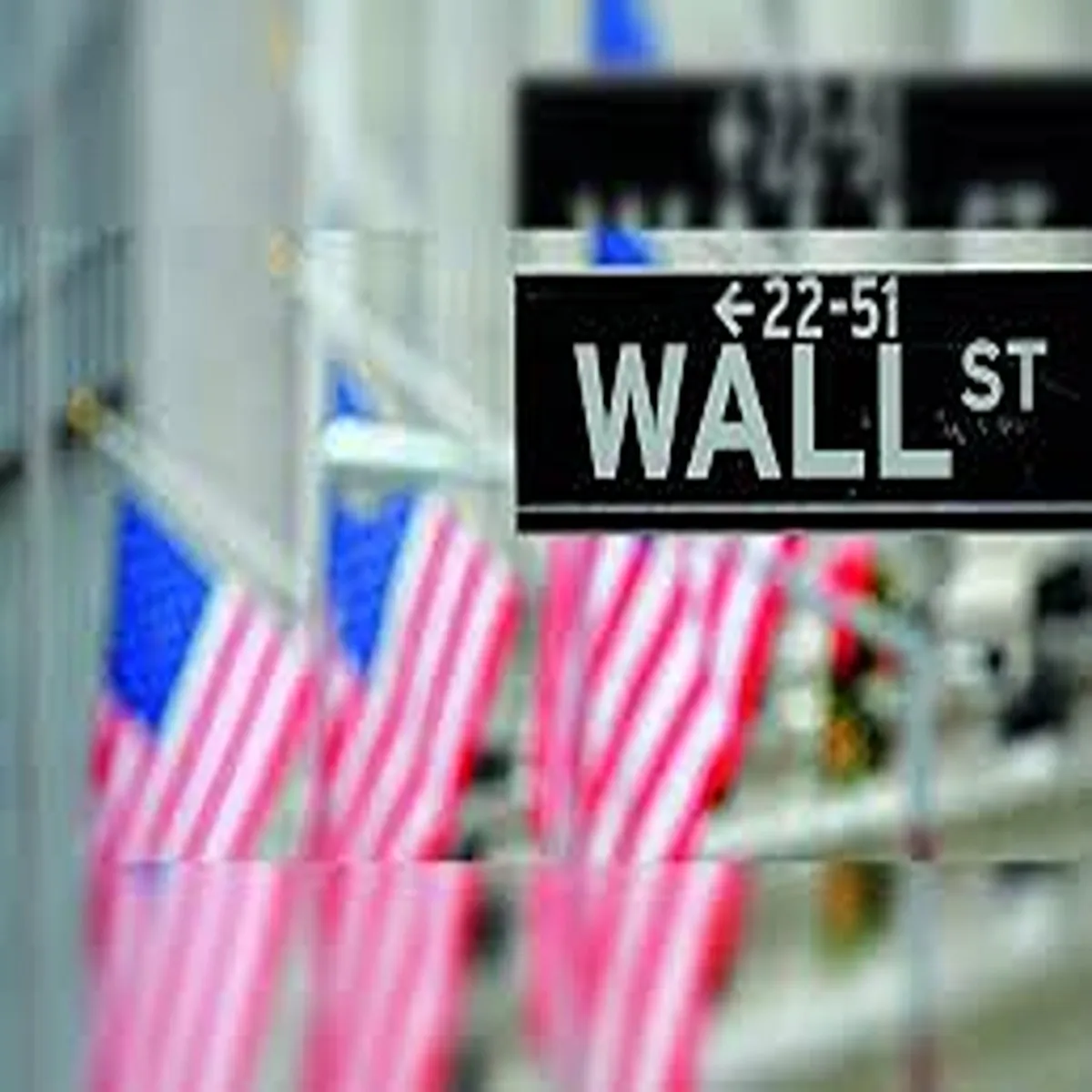
Wall Street- The U.S. stock market is entering a critical phase in early 2026, as investors weigh persistent inflation signals, evolving Federal Reserve policy expectations, and mixed corporate earnings. After a strong rally through much of 2025, major indices have recently shown signs of consolidation, reflecting a more cautious tone across Wall Street. Market participants are increasingly focused on economic data and forward guidance rather than momentum-driven gains.
Market Performance Shows Signs of Cooling After Strong Rally
The S&P 500 and Nasdaq Composite, both of which delivered double-digit gains last year, have recently experienced periods of sideways movement. Analysts suggest this shift is not necessarily bearish but rather a normalization phase after extended growth. Investors are becoming more selective, favoring fundamentally strong companies over speculative plays.
Trading volumes have also indicated a more measured approach, with institutional investors adjusting portfolios in response to macroeconomic signals. Sectors like technology and consumer discretionary, which led the previous rally, are now facing valuation scrutiny.
Inflation Data Keeps Federal Reserve in Focus
Recent inflation reports have played a central role in shaping market sentiment. While inflation has cooled compared to peak levels seen earlier in the decade, it remains above the Federal Reserve’s long-term target. This has led to ongoing uncertainty about the timing and scale of potential interest rate cuts.
Market expectations for rate reductions in 2026 have shifted multiple times in recent weeks. Initially, investors anticipated aggressive easing, but stronger-than-expected economic data has prompted a reassessment. As a result, bond yields have fluctuated, directly impacting equity valuations, particularly in growth-oriented sectors.
Corporate Earnings Provide Mixed Signals
The latest earnings season has delivered a mixed picture. While several large-cap companies have exceeded expectations, others have issued cautious outlooks, citing higher input costs and softer consumer demand in certain segments.
Technology giants continue to benefit from investments in artificial intelligence and cloud computing, supporting revenue growth. However, smaller firms and traditional industries are facing tighter margins. This divergence highlights a broader trend: market leadership is narrowing, with fewer companies driving index performance.
Sector Rotation Reflects Changing Investor Priorities
One of the most notable trends in the current market environment is sector rotation. Investors are gradually shifting from high-growth stocks to more defensive sectors such as healthcare, utilities, and energy.
This transition suggests a more risk-aware mindset. With economic uncertainty still present, portfolio diversification has become a key strategy. Energy stocks, in particular, have gained attention due to stable demand and geopolitical factors influencing oil prices.
Meanwhile, financial stocks are responding to interest rate expectations. Banks may benefit from higher rates, but concerns about loan demand and credit quality continue to influence investor decisions.
Retail Investors Remain Active but More Selective
Retail participation in the stock market remains strong, supported by accessible trading platforms and increased financial literacy. However, behavior has evolved compared to the speculative surge seen during earlier years.
Individual investors are now more focused on long-term investing strategies, including dividend-paying stocks and exchange-traded funds (ETFs). There is also growing interest in sectors tied to innovation, such as clean energy and artificial intelligence, though investors are approaching these opportunities with greater caution.
Economic Indicators Add Complexity to Market Outlook
Key economic indicators, including job growth, consumer spending, and manufacturing activity, continue to send mixed signals. The labor market remains relatively strong, which supports consumer confidence, but wage growth and borrowing costs are creating pressure in certain areas.
Consumer spending, a major driver of the U.S. economy, has shown resilience, though there are early signs of moderation. Retail data suggests that while demand remains steady, shoppers are becoming more price-sensitive, potentially affecting corporate revenues in the coming quarters.
Global Factors Influence U.S. Market Trends
The U.S. stock market is also being shaped by global developments. Economic conditions in major economies, trade dynamics, and geopolitical tensions all play a role in investor sentiment.
Supply chain improvements have helped stabilize some industries, but geopolitical uncertainties continue to pose risks. Additionally, currency fluctuations and international policy decisions can impact multinational corporations, which make up a significant portion of major U.S. indices.
Outlook: Cautious Optimism with Focus on Fundamentals
Looking ahead, market experts emphasize a balanced outlook. While risks remain, including inflation persistence and policy uncertainty, the overall economic foundation appears stable. Corporate balance sheets are generally strong, and innovation continues to drive growth in key sectors.
Investors are expected to remain focused on fundamentals, including earnings quality, cash flow, and competitive positioning. The era of broad-based rallies driven by liquidity may be giving way to a more disciplined market environment.
For long-term investors, this shift could present opportunities to build positions in high-quality companies at more reasonable valuations. However, short-term volatility is likely to persist as markets react to incoming data and policy signals.