
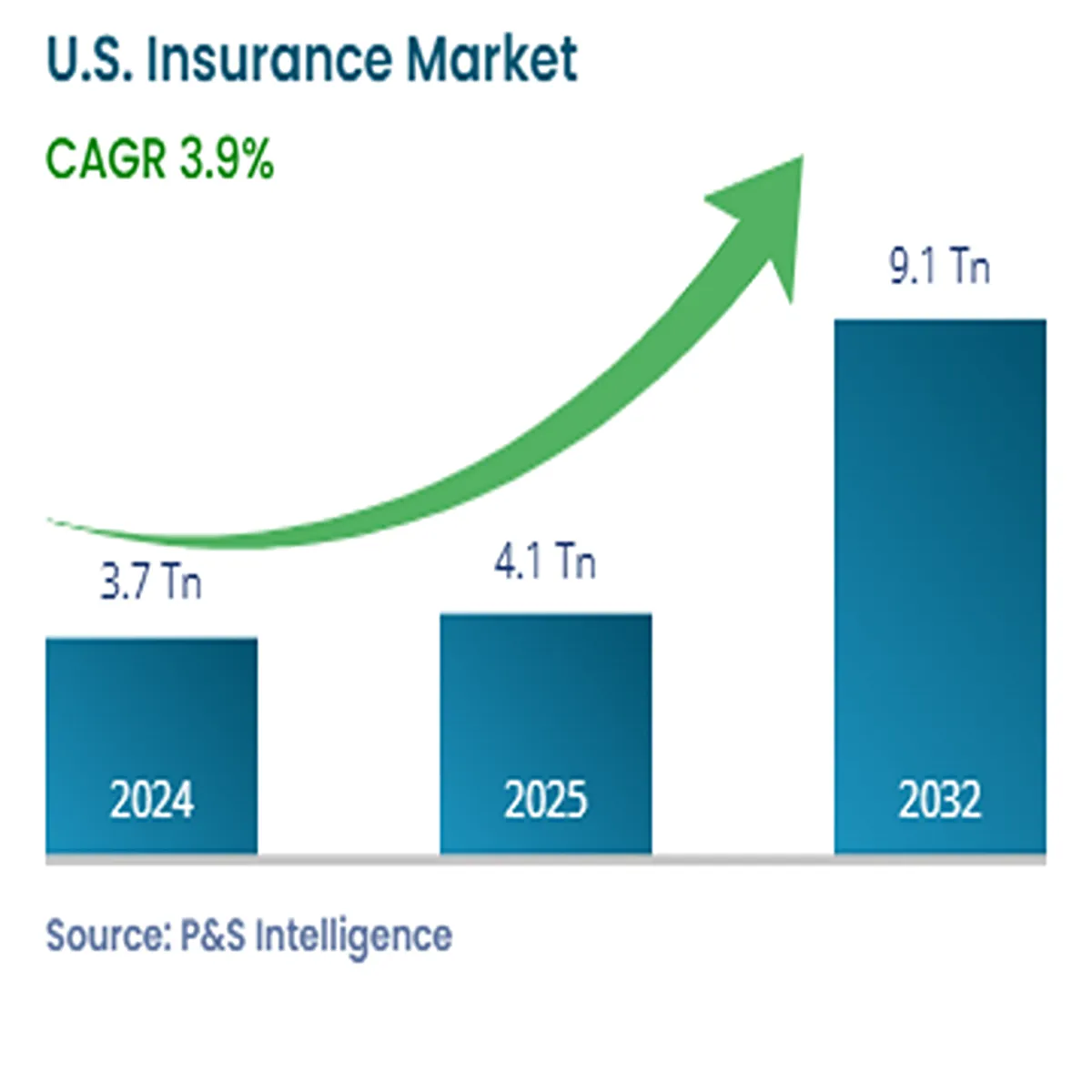
U.S. Insurance Market in 2026- The U.S. insurance industry is entering 2026 under renewed scrutiny as rising premiums, climate-related risks, and regulatory reforms reshape how Americans protect their homes, cars, health, and businesses. From property insurance in disaster-prone states to auto coverage influenced by inflation and repair costs, insurers and policyholders alike are navigating a rapidly evolving landscape. Industry data, state filings, and federal oversight trends show a market adjusting to higher risk exposure while accelerating its digital transformation.
Property Insurance Costs Climb in High-Risk States
Homeowners across states such as Florida, California, Texas, and Louisiana continue to face higher property insurance premiums driven largely by severe weather events. According to recent filings reviewed by the National Association of Insurance Commissioners, insurers have sought rate increases to offset mounting losses tied to hurricanes, wildfires, and convective storms.
In Florida, legislative reforms enacted over the past two years aimed to stabilize the market by curbing excessive litigation and strengthening reinsurance support. Early 2026 indicators suggest that while the pace of new insurer exits has slowed, premiums remain elevated compared to pre-2020 levels. Similarly, California regulators have approved revised rate-setting frameworks that allow insurers to factor in forward-looking climate models—an approach designed to encourage carriers to remain in the state while ensuring actuarial fairness.
For homeowners, the shift underscores a broader reality: location-based risk pricing is becoming more precise. Insurers are increasingly using geospatial data and predictive analytics to assess wildfire zones, flood plains, and hurricane exposure with greater accuracy.
Auto Insurance Premiums Reflect Repair and Labor Inflation
Auto insurance rates across the U.S. saw notable increases in 2024 and 2025, and while growth has moderated, premiums remain higher than historical averages. Industry analysts attribute this to elevated vehicle repair costs, more expensive replacement parts, and increased medical claim severity.
The Insurance Information Institute reports that modern vehicles equipped with advanced driver-assistance systems (ADAS) are safer overall but costlier to repair after collisions. Sensors embedded in bumpers and windshields can significantly raise post-accident repair bills, pushing insurers to adjust pricing models.
At the same time, usage-based insurance programs—often called telematics—are gaining traction. These programs track driving behavior such as speed, braking, and mileage through mobile apps or in-vehicle devices. Safe drivers can qualify for discounts, aligning premiums more closely with real-world risk rather than broad demographic averages.
Health Insurance: ACA Stability and Employer Plan Shifts
The health insurance segment remains heavily influenced by federal policy and employer-sponsored coverage trends. Enrollment under the Affordable Care Act marketplace has stayed strong following expanded subsidies in recent years. Analysts expect continued federal support for premium tax credits, which have helped keep monthly costs manageable for millions of Americans.
Employer-sponsored health plans, however, are adapting to higher healthcare spending. Many large employers are expanding high-deductible health plans paired with Health Savings Accounts (HSAs), encouraging cost-sharing while maintaining comprehensive catastrophic coverage.
At the regulatory level, the Centers for Medicare & Medicaid Services continues to monitor marketplace stability and insurer participation. So far, insurer competition in most states remains steady, preventing extreme premium volatility.
Climate Risk Reshapes Reinsurance and Federal Backstops
Behind the scenes, the reinsurance market—where insurers buy protection against catastrophic losses—plays a critical role in U.S. premium trends. Global reinsurers have tightened underwriting standards and increased pricing following consecutive years of billion-dollar disasters.
Federal programs are also under pressure. The Federal Emergency Management Agency oversees the National Flood Insurance Program (NFIP), which has implemented “Risk Rating 2.0,” a pricing model that aligns premiums more closely with individual property risk. While designed to ensure long-term solvency, the changes have resulted in higher premiums for some policyholders in coastal and flood-prone areas.
Policymakers continue debating additional resilience measures, including incentives for fortified construction and community-level mitigation projects aimed at reducing insured losses over time.
Digital Transformation and AI-Driven Underwriting
Insurers are accelerating digital adoption to streamline claims processing and underwriting. Artificial intelligence and machine learning tools are now widely used for fraud detection, damage estimation through photo analysis, and faster claims approvals.
Major carriers have invested heavily in online policy management platforms, allowing customers to compare quotes, file claims, and update coverage without agent intervention. This shift aligns with broader consumer expectations for mobile-first financial services.
However, regulators emphasize transparency and fairness. State insurance departments are increasingly examining algorithmic underwriting models to ensure compliance with anti-discrimination laws and consumer protection standards.
Consumer Strategies: How Americans Are Adapting
With premiums rising in several lines of coverage, financial advisors recommend proactive steps:
- Bundling home and auto policies for potential multi-policy discounts
- Increasing deductibles where financially feasible
- Conducting annual coverage reviews to avoid being underinsured
- Exploring state-backed insurance pools if private coverage becomes limited
Comparison shopping remains critical. Many state regulators provide online tools enabling residents to review approved rate filings and complaint ratios before selecting a carrier.
Regulatory Oversight and Market Outlook
Insurance remains primarily regulated at the state level, but coordination among regulators has intensified as climate and economic pressures mount. The U.S. Department of the Treasury has also examined insurance availability as part of broader financial stability monitoring.
Looking ahead, analysts project moderate premium growth rather than the sharp spikes seen in recent years, provided catastrophic losses remain within modeled expectations. Insurers are strengthening capital reserves, and improved risk modeling may bring greater predictability to pricing cycles.
For U.S. consumers, the insurance market in 2026 reflects a balancing act: adapting to higher climate and economic risks while leveraging technology to deliver more personalized, efficient coverage. The long-term trajectory will depend on regulatory stability, climate resilience investments, and insurers’ ability to maintain profitability without eroding affordability.