
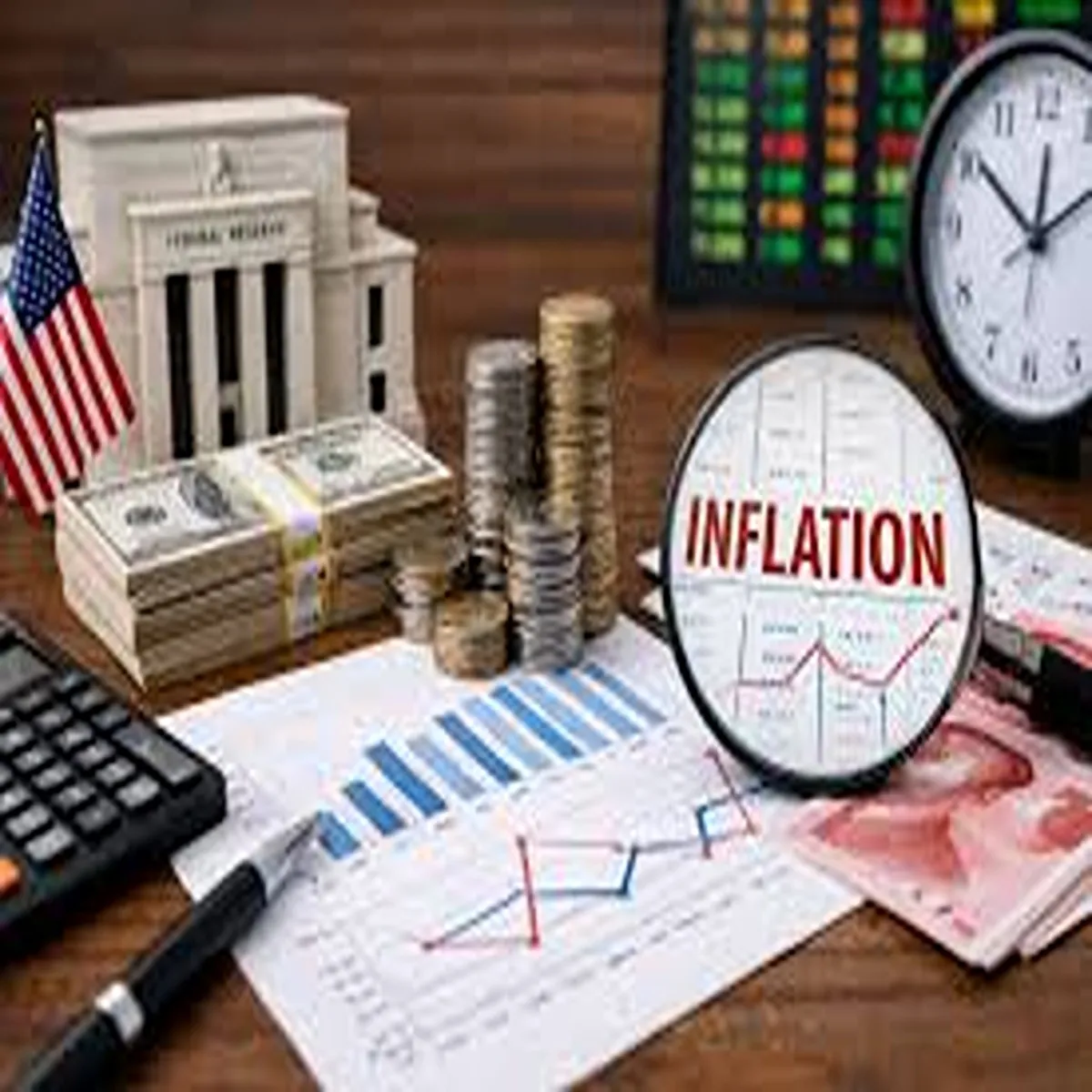
U.S. Markets- Wall Street closed the week on a positive note after fresh economic data showed inflation easing more than expected, reinforcing investor hopes that the Federal Reserve may hold interest rates steady in the coming months. Major U.S. indexes advanced, Treasury yields dipped from recent highs, and sectors sensitive to borrowing costs—such as technology and real estate—led gains. The latest data has added momentum to a market that has been navigating mixed signals on growth, consumer demand, and corporate earnings.
Inflation Data Strengthens Case for Rate Pause
The most recent Consumer Price Index (CPI) report indicated that headline inflation rose at a slower annual pace compared to prior months, while core inflation—excluding volatile food and energy prices—also showed signs of moderating. For investors, this matters because inflation trends heavily influence decisions by the Federal Reserve.
Over the past two years, the Fed aggressively raised interest rates to combat inflation that reached four-decade highs. Those hikes increased borrowing costs for consumers and businesses, cooling demand across housing, credit markets, and corporate investment. Now, as price pressures show signs of stabilizing, market participants are recalibrating expectations around future rate moves.
Futures markets suggest that traders are increasingly pricing in a prolonged pause, rather than additional hikes, provided inflation continues its gradual descent toward the Fed’s 2% target.
Major Indexes Extend Gains
The three major U.S. benchmarks—the S&P 500, Dow Jones Industrial Average, and Nasdaq Composite—all posted weekly gains. Technology stocks, which are particularly sensitive to interest rate expectations, outperformed broader sectors.
Lower Treasury yields helped lift high-growth companies whose valuations depend on future earnings potential. When rates stabilize or decline, discounted cash flow models become more favorable for growth-oriented stocks, driving capital back into innovation-heavy sectors.
Financial stocks also found support, as easing inflation may reduce volatility in bond markets and stabilize lending conditions.
Treasury Yields and the Bond Market Response
The benchmark 10-year Treasury yield slipped after the inflation report, reflecting increased demand for government bonds. Bond markets often react swiftly to macroeconomic data, and the move suggests investors are positioning for a less aggressive monetary stance.
Fixed-income analysts note that while yields remain elevated compared to pre-pandemic levels, recent moderation could ease pressure on mortgage rates and corporate borrowing. This is particularly relevant for sectors like housing and small-cap equities, which are more sensitive to financing costs.
However, some strategists caution that bond markets remain vulnerable to unexpected economic surprises, including stronger-than-expected labor data or geopolitical tensions.
Consumer Spending Remains a Key Variable
While inflation is cooling, consumer resilience continues to play a central role in shaping economic forecasts. Retail sales data released earlier this month showed moderate growth, indicating that households are still spending despite higher credit card rates and tighter lending standards.
Consumer confidence surveys have fluctuated, reflecting mixed perceptions about job security and future price stability. The labor market, though gradually cooling, remains historically tight, with unemployment levels still low by long-term standards.
Economists widely agree that sustained consumer activity is crucial to avoiding a sharp economic slowdown. If household demand remains stable, corporate earnings could continue to outperform conservative projections.
Corporate Earnings Provide Mixed Signals
Earnings season has delivered a blend of optimism and caution. Several large-cap technology and consumer companies reported stronger-than-expected quarterly results, citing improved supply chain efficiency and disciplined cost management.
At the same time, some industrial and manufacturing firms highlighted slower order growth and softer global demand. Companies with significant international exposure are closely monitoring currency fluctuations and overseas economic conditions.
Market analysts suggest that while earnings growth has moderated compared to the post-pandemic rebound, profit margins have proven more resilient than initially feared.
What the Fed’s Next Move Could Mean
The upcoming policy meeting from the Federal Reserve is expected to provide further clarity on the path forward. Policymakers have emphasized a data-dependent approach, meaning upcoming reports on inflation, employment, and GDP growth will heavily influence decisions.
If inflation continues to trend lower without a sharp deterioration in employment, the central bank may maintain its current rate range for an extended period. Such a stance would likely support equity valuations and provide relief to interest-sensitive sectors.
Conversely, any reacceleration in price growth could prompt renewed tightening concerns, which would introduce fresh volatility across asset classes.
Outlook for U.S. Investors
For now, markets appear to be embracing a cautiously optimistic outlook. Portfolio managers are balancing exposure between growth and defensive sectors, seeking to manage risk while participating in potential upside.
Diversification remains a key theme, particularly given lingering uncertainties around global economic growth, fiscal policy debates in Washington, and geopolitical risks.
Retail investors are also showing renewed participation, with trading volumes reflecting sustained engagement across brokerage platforms. Exchange-traded funds (ETFs) tied to broad indexes have seen consistent inflows, suggesting confidence in long-term U.S. market fundamentals.
The Bigger Picture: Stability Over Speculation
Unlike previous rally cycles fueled by speculative surges, the current market rebound is largely driven by measurable economic improvements—cooling inflation, stable employment, and resilient corporate earnings. While challenges remain, the data suggests a more balanced environment compared to the heightened volatility of recent years.
Investors and analysts alike will be closely watching upcoming inflation releases and the next policy statement from the Federal Reserve. For now, easing price pressures have provided a welcome boost to market sentiment, reinforcing hopes that the U.S. economy can navigate toward a soft landing rather than a sharp downturn.
U.S. stock market, inflation data, Federal Reserve policy, S&P 500, Nasdaq Composite, Dow Jones, Treasury yields, CPI report, interest rates, Wall Street, consumer spending, corporate earnings, bond market, economic outlook, ETFs,