
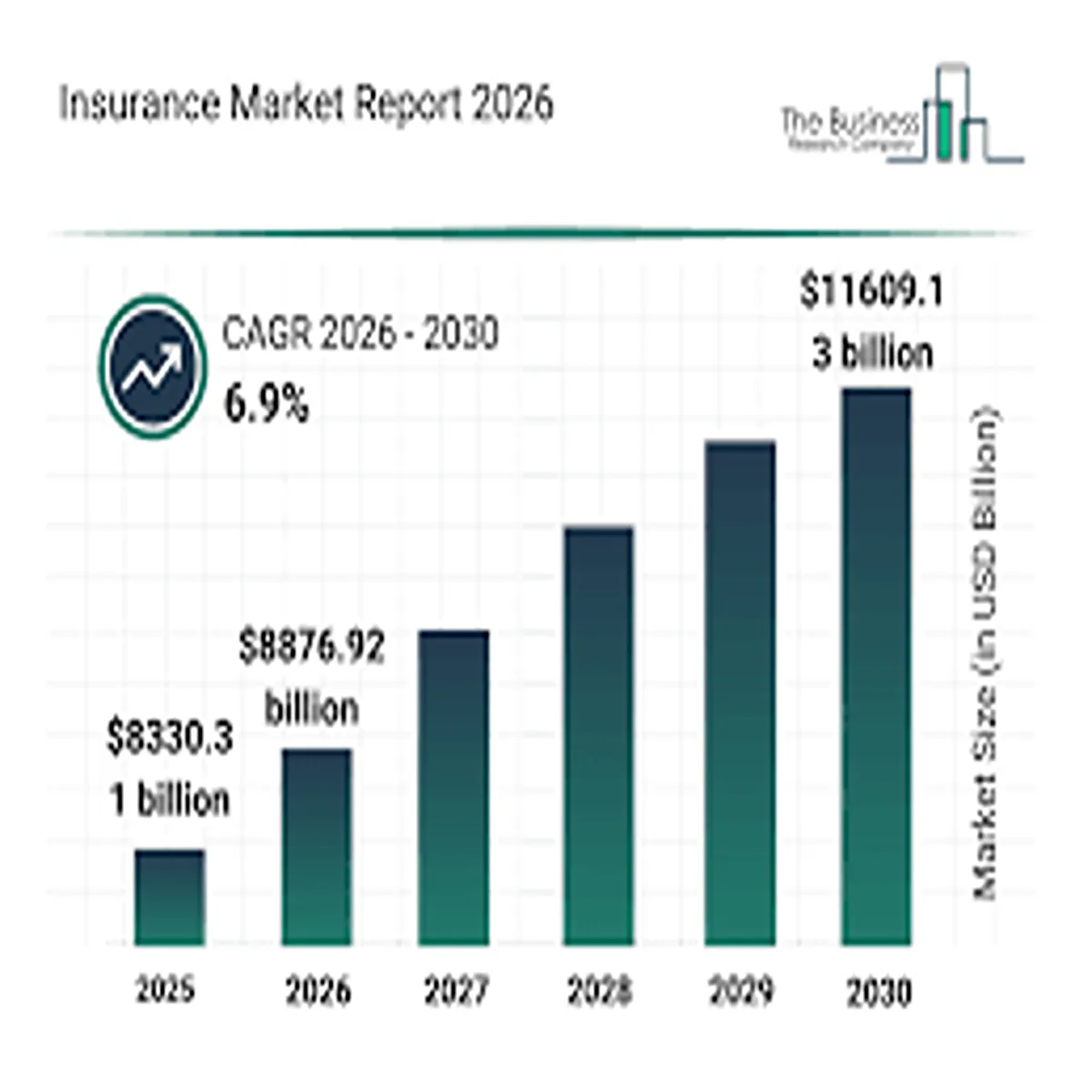
U.S. Insurance Market in 2026- The U.S. insurance market is entering 2026 amid a mix of rising premiums, regulatory adjustments, and changing consumer expectations. From health and auto insurance to homeowners and life coverage, Americans are facing a more complex decision-making environment shaped by inflation, climate risk, medical costs, and federal policy updates. For U.S. consumers, understanding these shifts is becoming essential—not optional.
Premium Costs Continue to Rise Across Major Insurance Segments
One of the most noticeable trends in the U.S. insurance market is the steady increase in premiums. Health insurance premiums for employer-sponsored plans have continued to climb, driven largely by higher hospital charges, prescription drug costs, and specialty care expenses. According to recent industry data, average family health coverage premiums have risen by several percentage points year-over-year, outpacing wage growth in many sectors.
Auto insurance has also seen sharp increases. Insurers cite higher vehicle repair costs, advanced car technology, rising accident severity, and theft-related claims as key drivers. Electric and hybrid vehicles, while popular, often cost more to insure due to expensive replacement parts and specialized repair requirements.
Homeowners insurance premiums are increasing even faster in high-risk regions. States exposed to hurricanes, wildfires, floods, and severe storms are experiencing significant rate hikes, reflecting higher reinsurance costs and climate-related claims.
Regulatory Updates Are Reshaping the Health Insurance Landscape
Federal oversight continues to play a central role in shaping the health insurance market. Agencies such as Centers for Medicare & Medicaid Services are actively updating enrollment rules, subsidy structures, and plan standards to stabilize coverage and protect consumers.
Enhanced premium tax credits under the Affordable Care Act remain a major factor in keeping marketplace plans affordable for millions of Americans. Policymakers are closely monitoring enrollment trends, insurer participation, and affordability metrics as debates continue around the long-term future of these subsidies.
At the same time, Medicare Advantage plans are under increased scrutiny. Payment models and quality ratings are being refined to balance cost control with patient outcomes, which may influence plan benefits and pricing in the coming year.
Climate Risk Is Redefining Property Insurance in the U.S.
Climate change is no longer a future concern for insurers—it is a present-day pricing reality. Wildfires in the West, hurricanes along the Gulf and Atlantic coasts, and flooding in inland states are forcing insurers to reassess risk models.
Some insurers have reduced new policy issuance or exited high-risk markets altogether, pushing homeowners toward state-backed insurance programs or higher-cost private options. This shift is raising concerns about affordability, coverage gaps, and long-term market stability.
In response, regulators and insurers are exploring mitigation incentives, such as discounts for fire-resistant construction, fortified roofs, and flood-proofing measures. These initiatives aim to reduce losses while encouraging more resilient housing practices.
Digital Tools Are Changing How Americans Shop for Insurance
Consumer behavior in the U.S. insurance market is evolving rapidly. Comparison tools, AI-powered quote engines, and mobile-first platforms are making it easier for consumers to evaluate policies across multiple providers.
Younger buyers, in particular, expect transparent pricing, customizable coverage, and fast claims processing. Insurers that fail to modernize digital experiences risk losing market share to tech-forward competitors and insurtech startups.
However, experts caution that convenience should not replace careful policy review. Coverage limits, exclusions, deductibles, and network restrictions still require close attention—especially as policies become more personalized.
Life and Supplemental Insurance Gain Renewed Attention
Economic uncertainty has renewed interest in life insurance, disability coverage, and supplemental health plans. Many U.S. households are reassessing financial protection strategies amid inflation and rising living costs.
Term life insurance remains popular due to affordability, while permanent policies are being positioned as long-term financial planning tools. Supplemental products, including critical illness and accident insurance, are also gaining traction as consumers seek coverage gaps not fully addressed by traditional health plans.
What U.S. Consumers Should Watch Going Forward
As 2026 progresses, experts recommend that consumers regularly review their insurance portfolios rather than relying on auto-renewals. Shopping around, bundling policies, and reassessing coverage needs can lead to meaningful savings.
Policyholders should also stay informed about regulatory changes, especially those affecting health insurance subsidies, Medicare benefits, and disaster-related protections. Transparency disclosures and consumer assistance programs are becoming more important as products grow more complex.
Ultimately, the U.S. insurance market remains stable but increasingly selective. Those who stay informed and proactive are better positioned to navigate rising costs and secure coverage that truly fits their needs.