
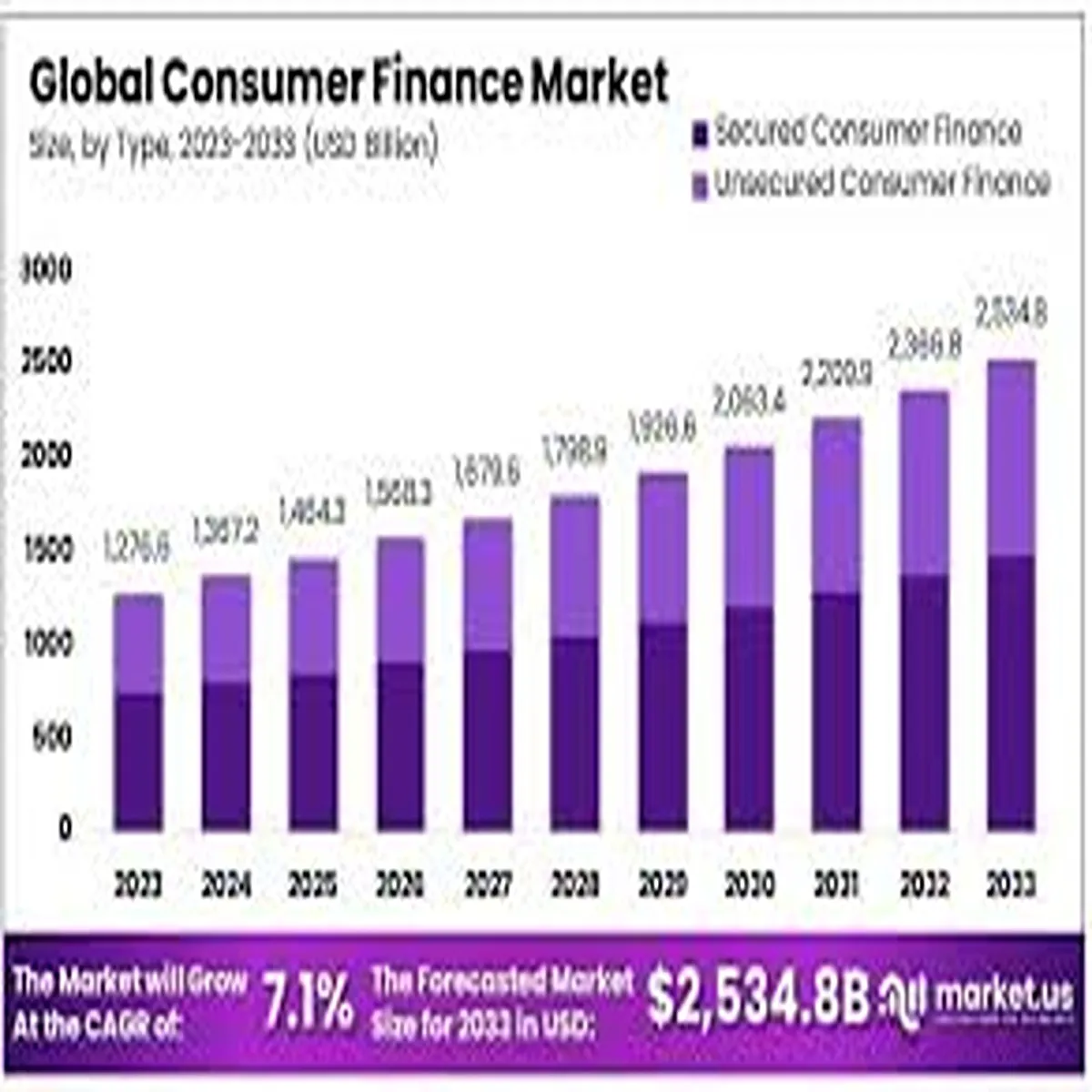
U.S.- The U.S. loan market is undergoing a significant transformation as interest rate fluctuations, evolving consumer borrowing habits, and tightening lending standards reshape the financial landscape. From personal loans and auto financing to mortgages and small-business credit, lenders and borrowers alike are navigating a more cautious yet opportunity-driven environment. Recent economic signals suggest that borrowing remains strong in key sectors, even as higher costs prompt Americans to rethink how and when they take on new debt.
Interest Rate Trends Continue to Influence Borrowing Behavior
Interest rates remain the single most influential factor shaping the loan market in the United States. Policy decisions by the Federal Reserve over the past two years have resulted in higher benchmark rates designed to curb inflation. As a result, average borrowing costs across most loan categories remain elevated compared with pre-2022 levels.
Mortgage rates, in particular, have stayed near multi-year highs, which has slowed refinancing activity and tempered housing demand in several regions. However, despite higher borrowing costs, homebuyers continue to enter the market, driven by limited housing supply and long-term investment considerations.
Personal loans have also seen rising interest rates, though they remain attractive to borrowers seeking debt consolidation. According to industry lending data, personal loan balances have grown steadily as consumers look for structured repayment options to manage credit card debt, which often carries higher interest charges.
Consumer Lending Remains Resilient Despite Economic Uncertainty
While economic concerns such as inflation and job market fluctuations persist, consumer lending activity has remained relatively resilient. Recent credit data shows that Americans continue to rely on installment loans to finance large purchases, particularly automobiles and home improvements.
Auto lending remains a strong segment of the loan market, supported by continued demand for both new and used vehicles. However, higher vehicle prices combined with increased loan rates have pushed average monthly payments to record levels, prompting some consumers to extend loan terms to maintain affordability.
Meanwhile, personal loan providers are expanding digital lending platforms to improve accessibility. Online loan approval processes have become faster and more streamlined, appealing to younger borrowers and tech-savvy consumers seeking convenience and transparency in financial products.
Mortgage Sector Adjusts to New Market Realities
The mortgage market is adapting to slower refinancing activity and shifting homebuyer demographics. Government-backed mortgage programs supported by institutions such as Fannie Mae and Freddie Mac continue to play a vital role in maintaining liquidity and affordability within the housing finance system.
First-time homebuyers remain a key growth segment, especially in suburban and mid-sized metropolitan areas where housing inventory remains comparatively affordable. Lenders are also introducing adjustable-rate mortgage options and flexible qualification standards to help borrowers manage rising borrowing costs.
Housing experts note that while affordability challenges remain, stable employment levels and steady wage growth have helped sustain mortgage demand across several U.S. regions.
Small-Business Loan Demand Shows Signs of Growth
Small-business lending is experiencing renewed activity as entrepreneurs seek financing to expand operations, manage inventory costs, and invest in technology upgrades. Federal loan programs and private lending institutions have expanded access to capital, particularly for minority-owned and startup businesses.
Business owners are increasingly turning to hybrid financing models that combine traditional bank loans with alternative funding sources, including online lenders and fintech platforms. These new lending channels often offer faster approval timelines but may carry higher interest rates compared with conventional bank financing.
Financial analysts suggest that small-business loan growth is closely tied to consumer spending trends. As retail and service sector demand stabilizes, loan demand among small and mid-sized businesses is expected to increase steadily throughout 2026.
Lending Standards Tighten as Risk Management Becomes Priority
Financial institutions across the United States are implementing stricter underwriting standards as part of broader risk management strategies. Regulators, including the Consumer Financial Protection Bureau, continue monitoring lending practices to ensure borrower protection and maintain financial system stability.
Lenders are paying closer attention to credit scores, debt-to-income ratios, and employment stability before approving loans. Borrowers with higher credit ratings are still able to secure favorable loan terms, while those with lower credit scores may face higher interest rates or limited loan options.
Credit monitoring and financial education tools are becoming more widely available, helping borrowers better understand loan terms and manage repayment obligations. Financial literacy campaigns have also gained momentum, encouraging responsible borrowing and long-term financial planning.
Digital Lending and Fintech Innovation Reshape the Industry
Technology continues to transform the loan market through automation, artificial intelligence-driven risk assessments, and enhanced customer experience platforms. Fintech lenders are leveraging data analytics to offer personalized loan products and faster approvals, often completing the lending process entirely online.
Traditional banks are also investing heavily in digital lending infrastructure to remain competitive. Mobile loan applications, instant credit decision systems, and real-time payment tracking tools have become standard features across many financial institutions.
Industry experts believe that digital transformation will continue driving loan market growth, particularly among younger borrowers who prioritize convenience, speed, and digital financial management tools.
Outlook for the U.S. Loan Market in 2026 and Beyond
Economic forecasts indicate that the U.S. loan market will remain dynamic, shaped by evolving monetary policy, consumer confidence levels, and technological innovation. While higher interest rates have slowed some borrowing segments, overall loan demand remains stable across housing, personal finance, and small-business sectors.
Financial analysts expect gradual rate adjustments by monetary policymakers to influence borrowing patterns throughout the coming years. Meanwhile, continued expansion of digital lending platforms is likely to increase competition and improve borrower access to credit nationwide.
For American consumers and businesses, navigating the loan market will increasingly require careful financial planning, credit awareness, and comparison of lending options. As market conditions continue to evolve, both lenders and borrowers are expected to adapt to a more technology-driven and risk-conscious lending environment.